Europe defense spending lifts Lockheed, RTX, Northrop
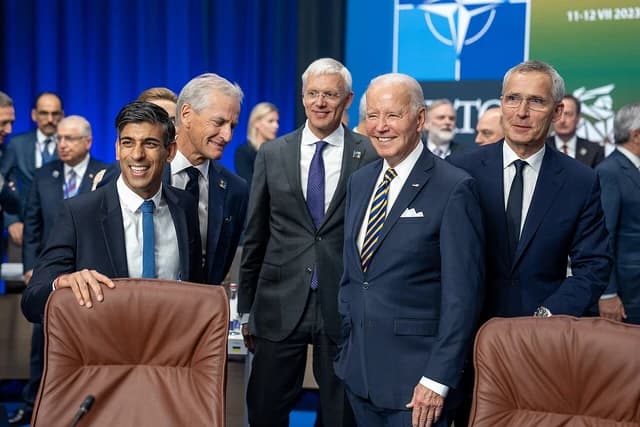
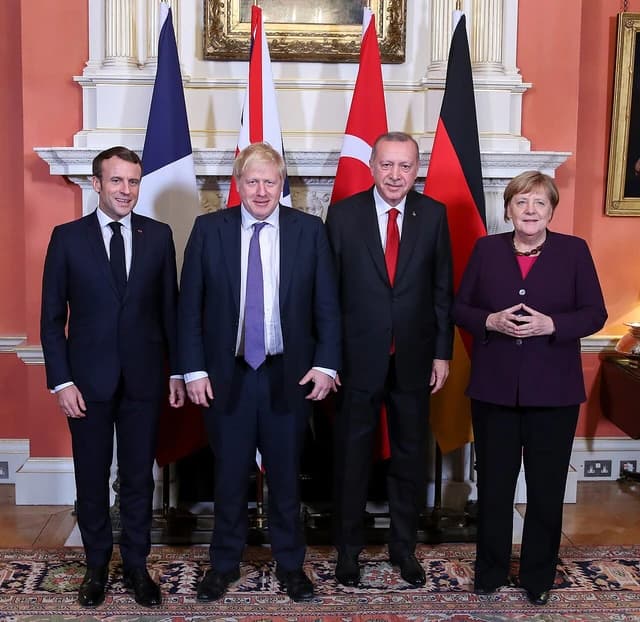
Europe is being pushed to spend more on weapons as governments brace for a more volatile security order, and the clearest market beneficiary is the U.S. defense supply chain. A cabinet-approved 2027 budget that lifts defense spending to 3.01% of GDP underscores how quickly military outlays are becoming a structural rather than cyclical line item, with air defense and other high-end systems moving to the front of the queue.
The shift matters because it ties geopolitics directly to industrial demand. Higher defense budgets tend to flow first into missile defense, sensors, command-and-control and aircraft support — areas dominated by Lockheed Martin, RTX and Northrop Grumman — and can stretch procurement pipelines for years, not quarters. For European policymakers, the spending increase is also a fiscal tradeoff: more money for security means less room elsewhere in budgets already under pressure.
Investors have already priced in some of that shift. Lockheed Martin shares have climbed to $566.56 from $491.64 in late June even after a pullback over the past week, while RTX finished at $210.64 and Northrop at $551.72. The moves reflect expectations that NATO-aligned spending, replenishment orders and air-defense demand will keep revenue visibility high even as broader markets turn cautious.
Technical readings also show the group remains in uptrends despite recent volatility. Lockheed is still above its 50-day moving average of $548.61, though its RSI has cooled to 43.1 after being overbought earlier in the month. RTX sits above its 50-day and 200-day averages, and Northrop remains above both despite easing from a recent peak. That suggests investors are still treating the sector as a structural defense play, not a short-lived geopolitical trade.
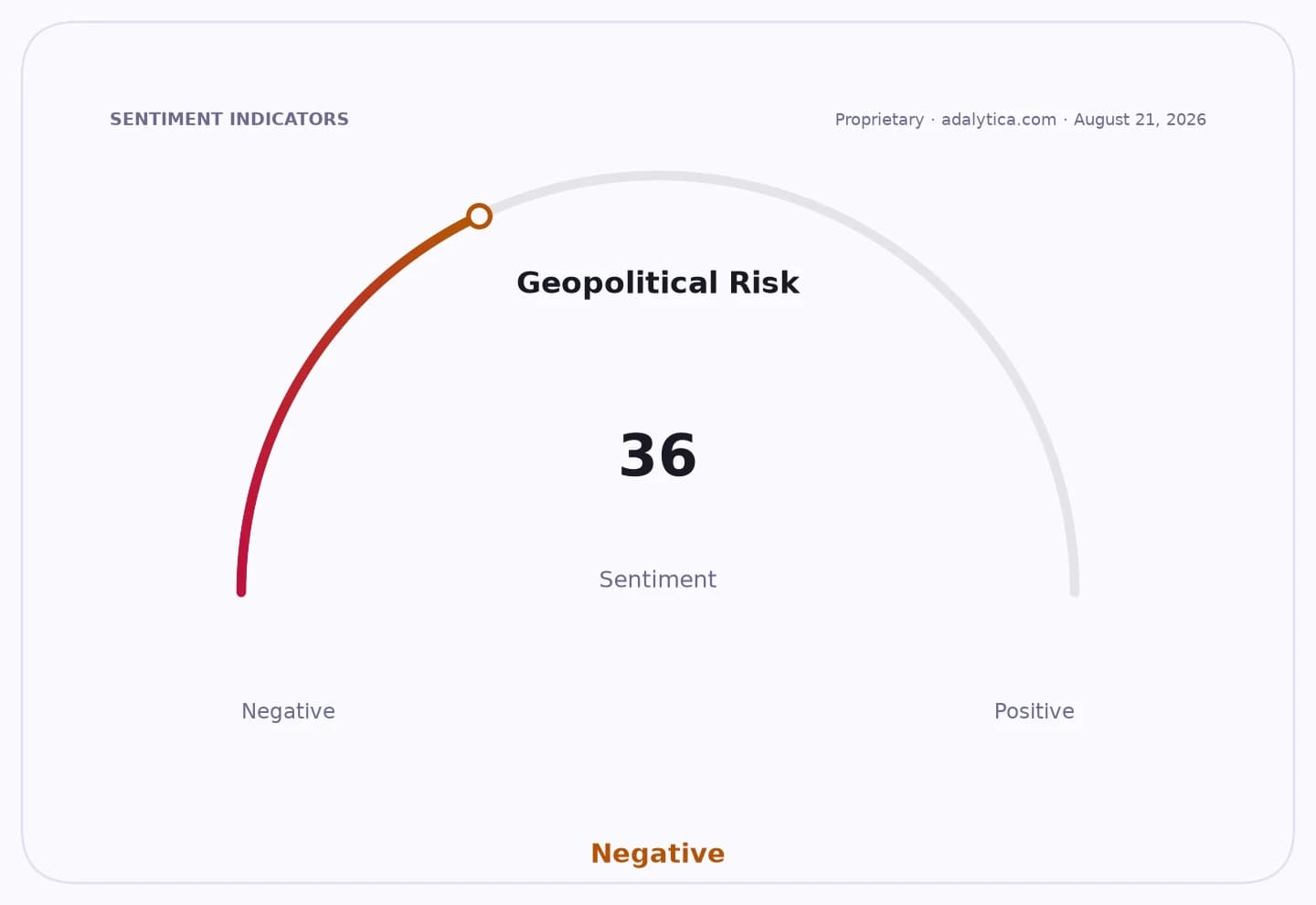
The broader backdrop is one of rising security spending alongside weak global stability. Adalytica’s Global Stability Sentiment gauge sits at 36, in neutral territory, after falling sharply over the past month, while the U.S. dollar signal shows extreme fear, a combination that often supports defense names as capital looks for earnings tied to government demand rather than discretionary growth.
For investors, the key question is whether Europe’s higher budgets translate into contracts fast enough to sustain valuations. The next catalysts are likely to be procurement awards, budget implementation and any further NATO-related spending commitments that would keep U.S. defense contractors at the center of the trade.
| Entity | Gains | Losses |
|---|---|---|
| Lockheed Martin, RTX, Northrop Grumman | ▲Higher European weapons orders | ▼Less valuation support if spending slips |
| European defense ministries | ▲Stronger air-defense capability | ▼Smaller fiscal room for other spending |
| European taxpayers | ▲Better security posture | ▼Higher budget burden |
| Short sellers in defense names | ▲Potential pullbacks after run-up | ▼Structural demand for weapons |