Europe drought lifts olive oil prices, strains farms
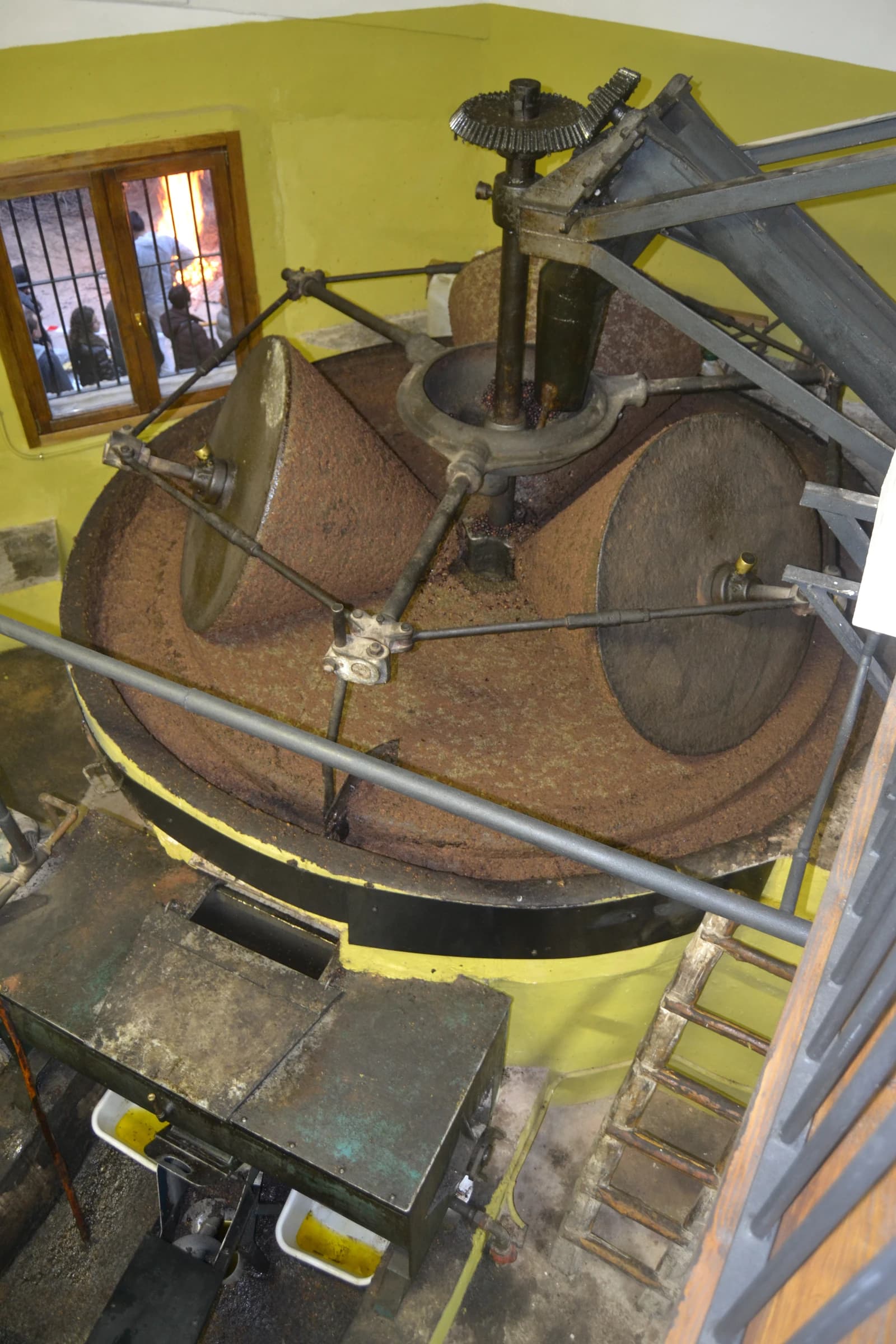
Europe’s heat and drought are pushing olive oil prices higher and deepening stress across the bloc’s farms, with growers warning the water shortage is now hitting wine, grain and vegetable production as well.
The squeeze matters because agriculture is not just a local weather story: it feeds into food inflation, farm incomes and the cost base for packaged-food makers across Europe. Water stress can quickly cut yields, reduce quality and force farmers to spend more on irrigation and emergency inputs, with some already lobbying for support packages to avoid losses.
The backdrop is worsening across parts of the continent. In the Netherlands, groundwater reserves are under strain and trees are dying, while Poland and the UK are also reporting falling water levels and fears of shortages. That kind of broad-based drought raises the risk that the shock extends beyond olives into cereals, dairy and fresh produce, tightening supply at a time when consumers are already sensitive to food prices.
For investors, the pressure points are split. Food manufacturers and retailers face margin risk if they cannot fully pass on higher input costs, while commodity-linked agricultural producers may benefit from firmer prices. U.S.-listed grain funds have already reflected shifting weather and supply expectations, with the Teucrium Wheat Fund up to $23.81 on July 31 from $20.60 in late September, while Teucrium Corn Fund has held near $17.65 after an earlier run-up.
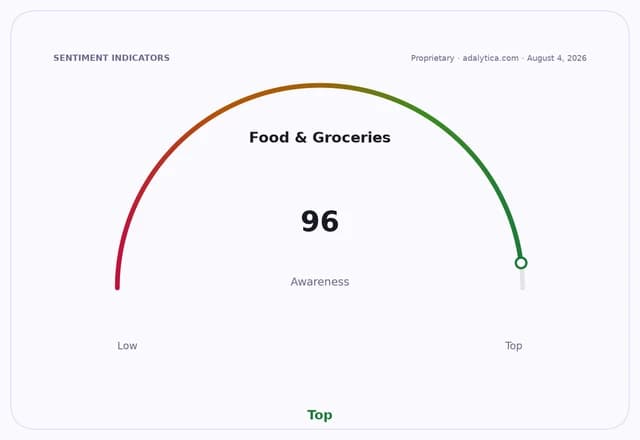
The market backdrop also suggests food inflation remains a live issue. Adalytica’s CPI sentiment gauge sits at 79, with “greed” and “extreme greed” readings pointing to elevated attention on inflation, while its food and grocery spending sentiment is neutral but awareness is at an extreme level, underscoring how closely shoppers and investors are watching prices.
The key question now is whether the drought becomes a one-season disruption or a deeper supply shock. If dry conditions persist into the harvest period, Europe could see more price pressure in olive oil and a wider hit to agricultural output, keeping food inflation sticky and forcing governments to expand drought relief.
| Entity | Gains | Losses |
|---|---|---|
| Olive oil producers | ▲Higher selling prices | ▼Consumers and food buyers |
| Grain and vegetable growers with irrigation | ▲Better pricing power | ▼Dryland farmers |
| Packaged-food makers | ▲None if costs are passed through | ▼Margin pressure from higher inputs |
| European consumers | ▲None | ▼Higher grocery bills |