Europe Gas Prices Hit 3-Year High
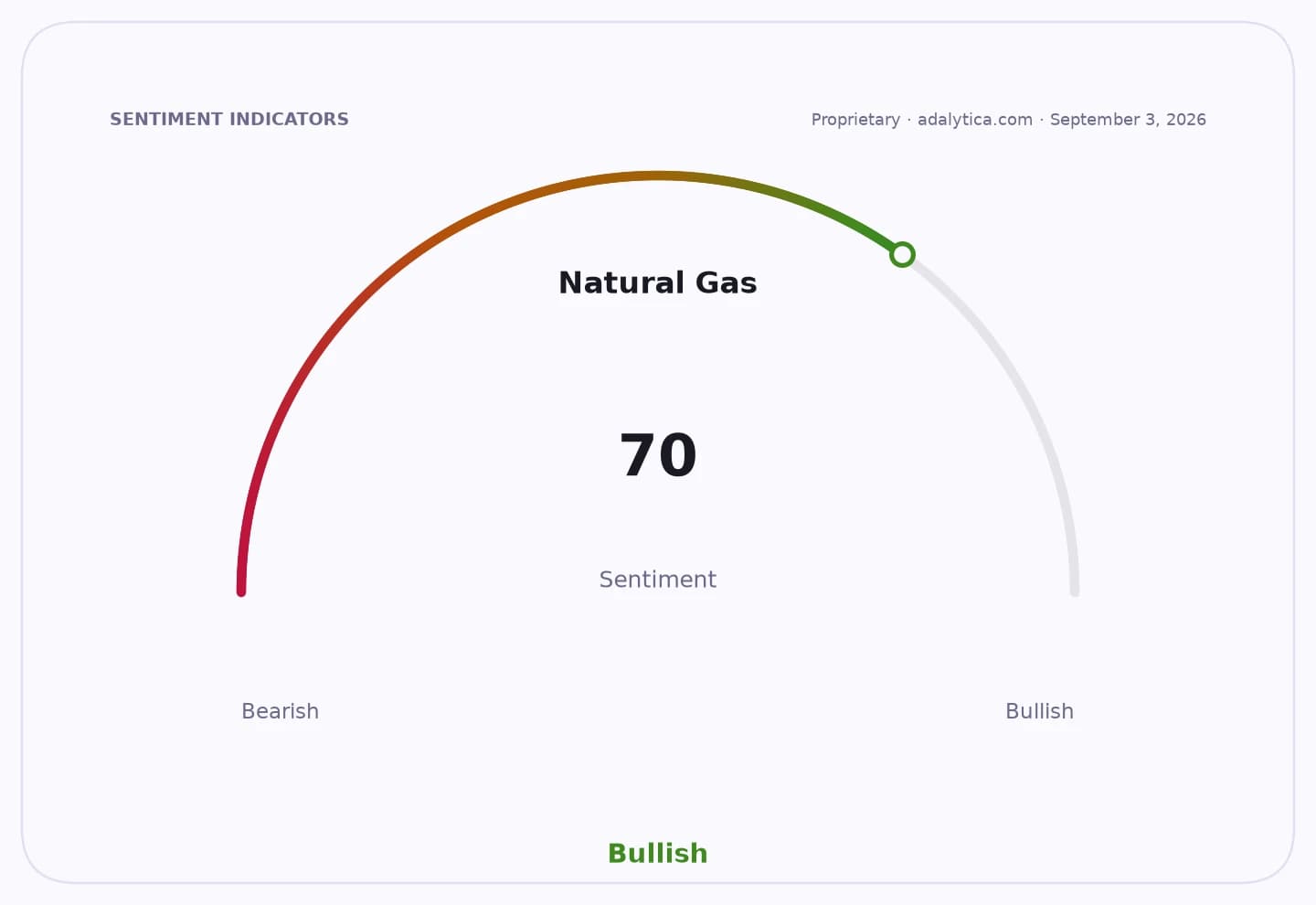
European natural gas prices have surged to their highest level in more than three years, and that matters because it raises the odds of another inflation scare just as the region heads into the winter heating season.
The benchmark Title Transfer Facility contract in the Netherlands jumped above 75 euros per megawatt hour, the strongest level since early 2023 and a fresh reminder that Europe remains vulnerable to geopolitical shocks. The move came as investors reacted to renewed tensions between the U.S. and Iran, which stoked fears of broader conflict in the Middle East and possible disruptions to energy flows.
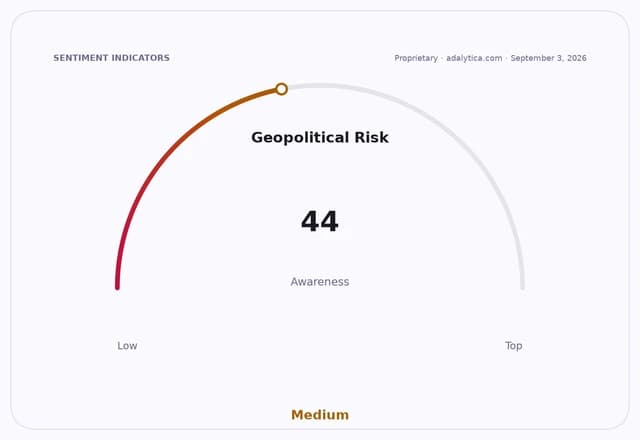
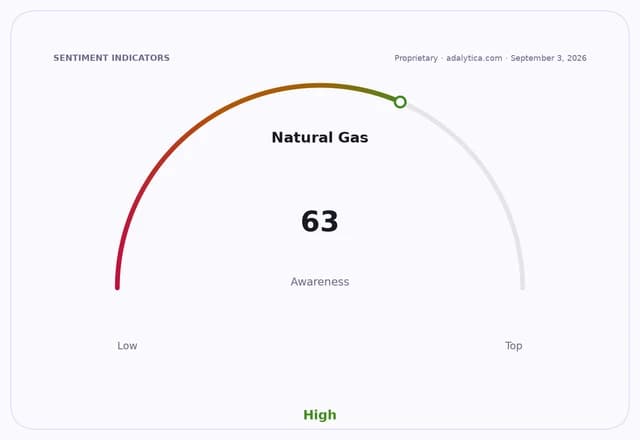
For Europe, the bigger issue is not just the price spike itself but the timing. Gas storage across the EU was only 63% full at the end of August, and Germany has already warned it may miss its 70% storage target by November. That leaves utilities and industrial buyers with less room to absorb a disruption, especially if prices stay high and make it uneconomical to keep filling inventories.
This is where the economic damage starts to spread. Higher gas prices feed directly into power costs, factory input bills and household heating expenses. They also add to inflation pressure at a time when eurozone consumer prices were already accelerating, with energy costs rising sharply. If that persists, central banks could be forced to keep policy tighter for longer, which would weigh on credit-sensitive sectors and growth stocks.
The market reaction has been broad for a reason. Brent crude briefly pushed above $97 a barrel before easing, U.S. and German bond yields climbed, and equity futures turned lower as traders priced in the risk of stickier inflation. In the UK, the 10-year gilt yield climbed to its highest level since 2008, underscoring how quickly an energy shock can spill into borrowing costs.
There is also a practical problem for investors in energy-intensive businesses: companies often prefer to wait for a pullback before buying gas for storage, but that patience can become self-defeating if the market tightens further. The result is a classic squeeze in which high prices discourage restocking, while low inventories keep prices elevated. That is exactly the kind of loop that can punish European manufacturers, utilities and consumers alike.
For long-term investors, the lesson is not to chase the volatility, but to recognize the structural fragility underneath it. Europe’s gas market is still highly exposed to weather, storage levels and geopolitics, which means price swings can remain severe. Companies with flexible supply, strong balance sheets and limited energy sensitivity will be better positioned than those relying on cheap, steady gas.
If you are building a portfolio for the next 3 to 10 years, this is a reminder to favor resilience over prediction. Energy shocks come and go, but the businesses that can keep generating cash flow through them tend to be the winners. For now, Europe’s gas rally is worth watching closely.
| Entity | Gains | Losses |
|---|---|---|
| LNG exporters | ▲Higher selling prices | ▼Smaller buyers seeking discounts |
| European utilities | ▲Volatility trading opportunities | ▼Storage costs and margin pressure |
| Energy producers | ▲Improved revenue outlook | ▼Industrial users and consumers |
| Bond investors | ▲None | ▼Rising yields and inflation risk |