Europe Gas Stocks Low Ahead of Winter
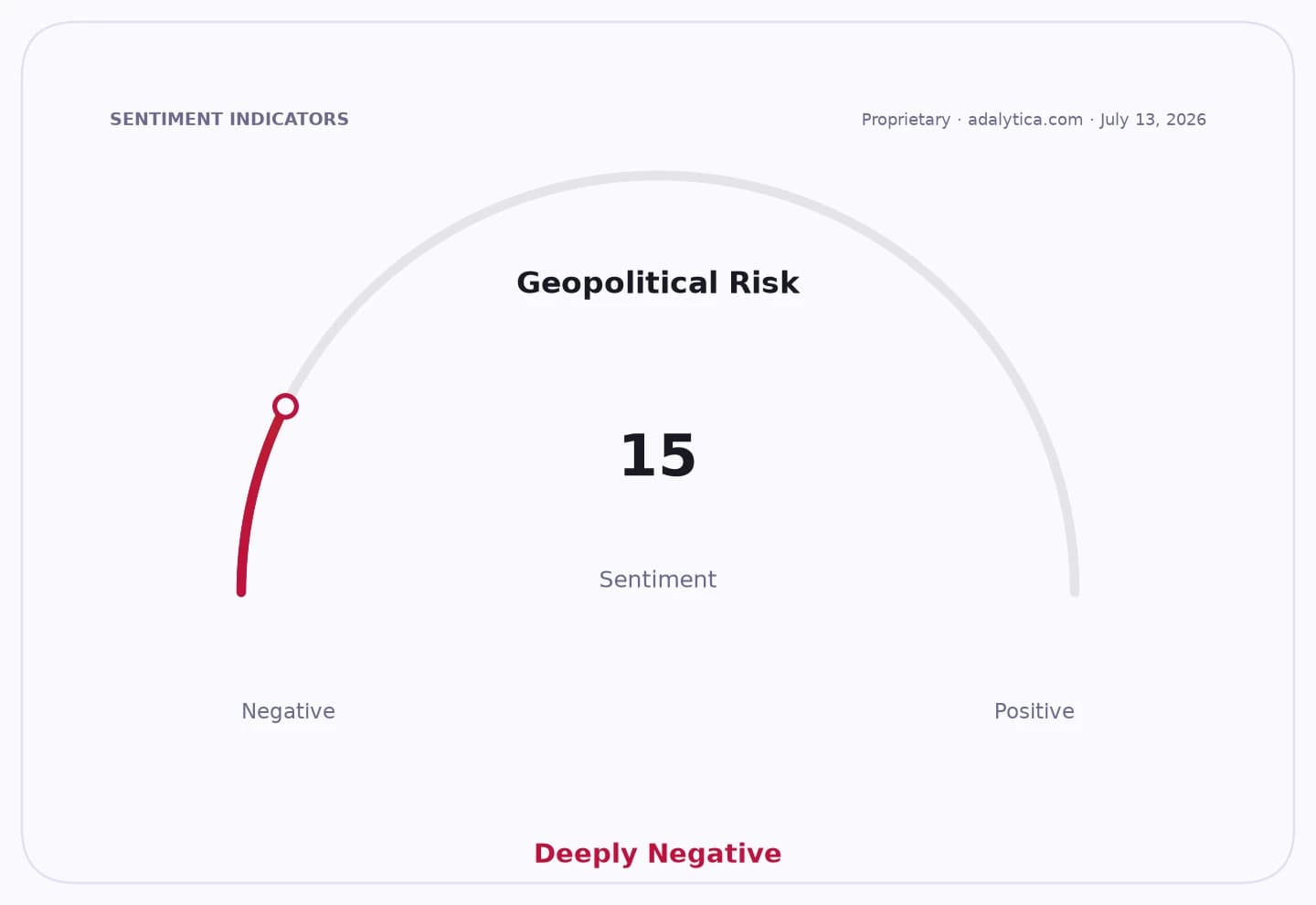
Europe is heading into the heating season with natural gas inventories at their lowest level in 15 years, a deficit that raises the risk of price spikes, industrial curbs and another squeeze on households if cold weather arrives before storage is rebuilt.
The shortage matters because gas still anchors Europe’s winter energy system, from power generation and district heating to heavy industry. When stocks start this low, the region has less buffer against colder-than-normal weather, pipeline disruptions or further attacks on energy infrastructure, leaving buyers more exposed to volatility and forcing governments to consider emergency measures.
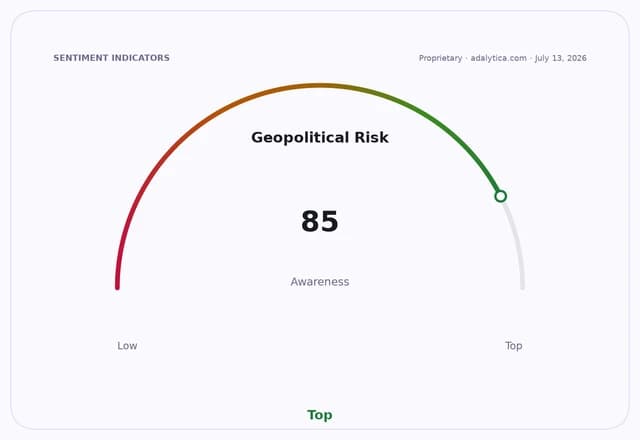
Natural gas futures are already reflecting that stress. U.S. benchmark gas has surged from $2.90 on July 13 to $7.46 on Jan. 28 in the latest data before settling back to $2.90, while the conventional technical indicators point to a still-fragile market: the contract is below its 50-day average of $3.07, and the RSI at 33.4 signals oversold conditions after a sharp pullback.
The broader energy tape has been mixed, but not reassuring. The Energy Select Sector SPDR Fund, XLE, remains near $55.08 after reaching as high as $60.85 in May, while the SPDR S&P Oil & Gas Exploration & Production ETF, XOP, has slipped to $158.57 from a March peak of $187.26. That suggests investors are still pricing elevated energy risk, but with more caution about demand and the durability of the rally.

The geopolitical backdrop makes the supply picture worse. Russian Deputy Prime Minister Alexander Novak has acknowledged gasoline and diesel shortages inside Russia after refinery attacks, underscoring how the war has continued to strain fuel logistics and regional supply chains. That adds to the risk that Europe faces a winter gas market shaped not just by weather, but by sabotage, sanctions and infrastructure damage.
For investors, the key trade is that low inventories can quickly spill into inflation, industrial margins and utility hedging costs if temperatures fall. A colder winter would likely lift prompt gas prices, support upstream energy names and pressure gas-intensive sectors such as chemicals, metals and manufacturing, while also testing European policymakers’ ability to protect consumers without worsening fiscal strain.
The immediate catalysts are weather forecasts, storage refill rates and any further disruption to European or neighboring energy infrastructure. If those turn adverse, the market may not get much time to adjust before winter demand peaks.
| Entity | Gains | Losses |
|---|---|---|
| Gas producers | ▲Higher spot pricing | ▼Demand destruction risk |
| European utilities | ▲More urgency for hedging | ▼Higher procurement costs |
| Gas-intensive manufacturers | ▲None | ▼Margin pressure, curtailments |
| Households and governments | ▲None | ▼Higher bills, subsidy strain |