Europe gas storage low before winter

Europe is heading toward winter with gas storage emptier than it was at the height of the 2022 energy crisis, while benchmark prices have roughly doubled from recent lows and climbed to the highest levels in more than three years.
That combination matters because it raises the risk of a colder-weather supply squeeze just as the region loses the normal summer buffer that helps cap heating costs, power prices and industrial fuel bills. It also increases the chance that governments and utilities are forced back into the market to secure cargoes at elevated prices, feeding into inflation and squeezing margins for energy-intensive manufacturers.
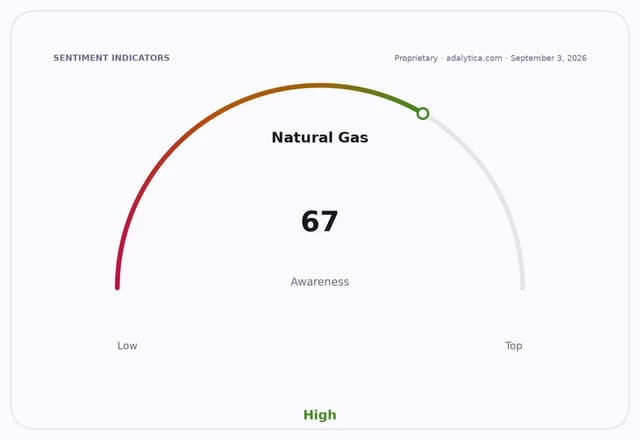
Front-month TTF gas in Amsterdam rose to about €74.4 per megawatt hour, extending a three-day rally as renewed US strikes on Iran and Tehran’s retaliation threats kept traders focused on the Strait of Hormuz, a key route for liquefied natural gas shipments from the Persian Gulf. The contract is now well above the roughly €70 level touched during March’s Iran flare-up and more than 40% higher over the past three weeks.
The European storage picture is the bigger structural concern. IntelliNews Lambda’s series, based on Gas Infrastructure Europe data since 2011, puts September 1 storage at 80.73% in 2022, 77.65% in 2025 and just 65.39% at the end of August this year, or 71.5 billion cubic meters, leaving the bloc about 16 points below its long-run seasonal norm. Germany, Europe’s largest gas consumer, was only 53.28% full on Aug. 31, while the Netherlands stood at 47.29%, adding pressure on northwest Europe’s balancing capacity.
The refill is also lagging. Only 41 bcm has been injected since April, about 60% of the 68 bcm needed, while August net injections of 9.2 bcm were below last year and withdrawals hit a five-year high after a scorching summer boosted power demand for cooling. That leaves Europe at risk of entering the heating season with inventories far short of the 90% storage target, even allowing for the EU’s widened October-to-December compliance window.
Investors are watching the gas market not just for commodity exposure but for the knock-on effects across European assets. Higher gas prices can lift power prices, pressure margins at chemicals, metals and fertilizer producers, and add inflation upside that complicates the European Central Bank’s path. Energy equities have already responded, with the XLE energy ETF and US gas-linked vehicles such as UNG drawing strength from the broader commodity rally, while natural-gas futures technical readings remain elevated, with standard indicators such as the 50-day moving average and RSI pointing to a heated market.
The immediate catalyst is whether the Hormuz risk eases or intensifies, but the deeper market question is whether Europe can still secure enough LNG cargoes from competing Asian buyers before winter. If it cannot, the continent may not face a repeat of 2022’s peak price shock, but it will start the season with far less room for error.
| Entity | Gains | Losses |
|---|---|---|
| LNG exporters | ▲Higher prices, stronger bargaining power | ▼Less price stability |
| European utilities | ▲Ability to hedge at elevated levels | ▼Storage shortfall risk |
| Energy producers | ▲Better commodity realizations | ▼Volatile shipping routes |
| Industrial consumers | ▲None | ▼Higher fuel and power costs |