Europe Gas Storage Lowest Since 2011
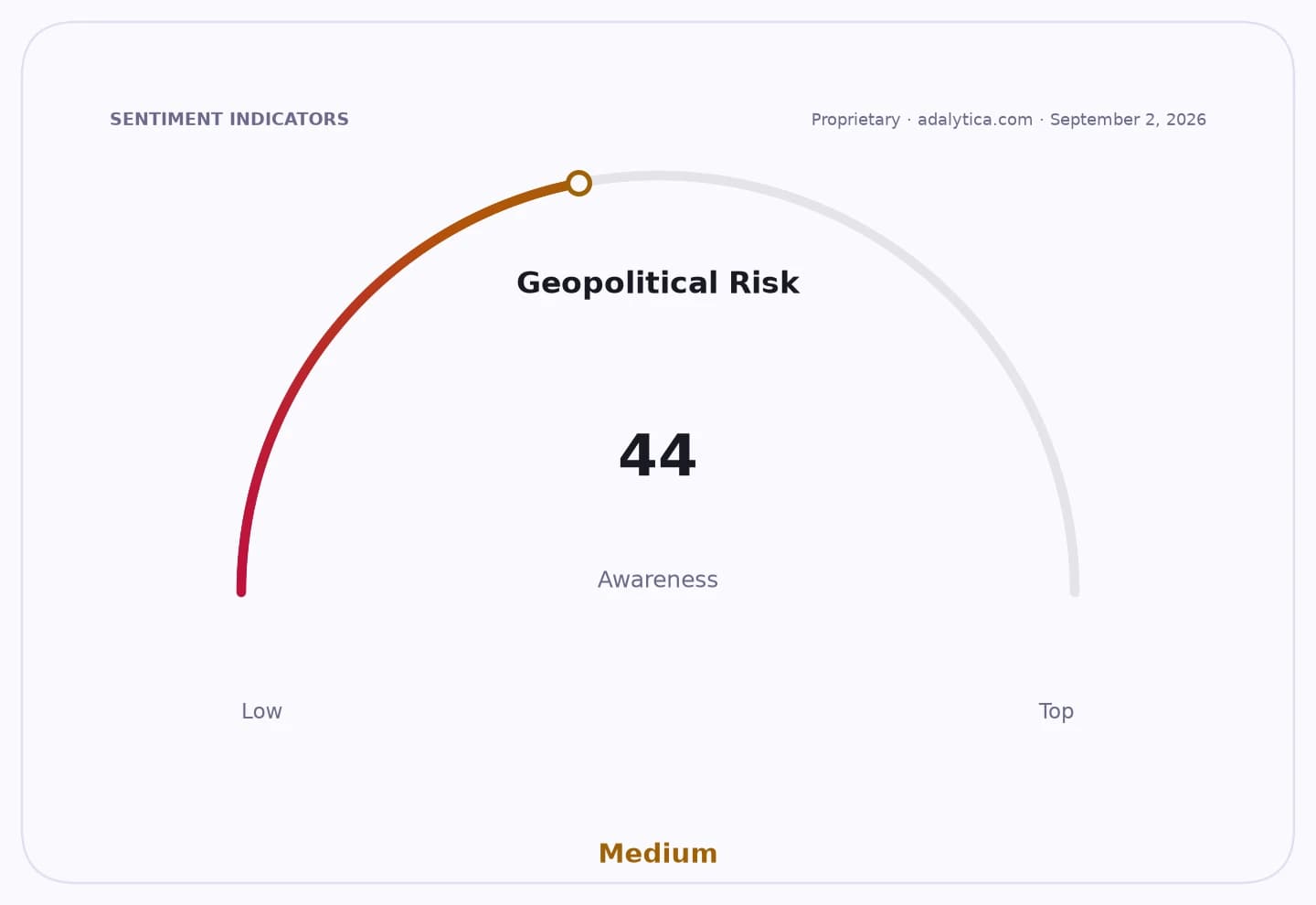
Europe is heading into the heating season with gas reserves at their lowest end-of-summer level since 2011, a tight starting point that raises the odds of higher power and heating costs if cold weather, LNG disruptions or stronger Asian demand squeeze supplies further.
The shortfall matters because storage is Europe’s first line of defense against winter volatility. When inventories are depleted before peak demand begins, utilities and governments have less flexibility to absorb weather-driven spikes in consumption, and buyers are forced back into the spot market sooner and at higher prices. That can ripple through household energy bills, industrial margins and inflation at a time when central banks are still watching the energy complex closely.
The risk is not just theoretical. Europe has spent the past two years rebuilding supply chains after Russia’s pipeline gas losses, but the bloc is still reliant on imported LNG and exposed to competition from Asia for cargoes. Any interruption in LNG flows or a colder-than-normal winter would leave the region with less buffer than in recent years. Countries such as Germany and the Netherlands, which depend heavily on storage to smooth seasonal demand, are especially vulnerable.
That tightness is already showing up in market behavior. UNG, the U.S. natural-gas ETF, has been volatile and traded at $10.58 on Sept. 1, while Adalytica’s natural gas trade signals show sentiment in “Fear” territory even as awareness remains elevated. Broader energy sentiment has also firmed, with XLE climbing to $64.77, reflecting investor sensitivity to any supply shock that could lift upstream producers and LNG exporters.
For investors, the setup splits winners and losers. Gas producers, LNG exporters and energy equities stand to benefit if European buyers rush to secure winter supply. Industrial users, chemical makers and utilities exposed to gas costs face margin pressure, while consumers would feel the hit through heating bills and potentially higher inflation. The upside case for markets is that mild weather and strong LNG arrivals ease the squeeze; the downside is a cold winter or renewed geopolitical disruption, which could force emergency demand curbs and another price spike.
The headline message for markets is that Europe has entered autumn with less room for error. That keeps gas, LNG shipping and energy inflation in focus over the next few months, and it leaves any weather or geopolitics surprise with outsized market impact.
| Entity | Gains | Losses |
|---|---|---|
| LNG exporters | ▲Higher winter demand | ▼Weaker pricing power if storage refills |
| Gas producers | ▲Tighter supply conditions | ▼Lower margins if prices ease |
| European utilities | ▲None | ▼Higher procurement costs |
| Households and industry | ▲Mild weather relief | ▼Higher bills and input costs |