Europe gas storage low as TTF prices rise
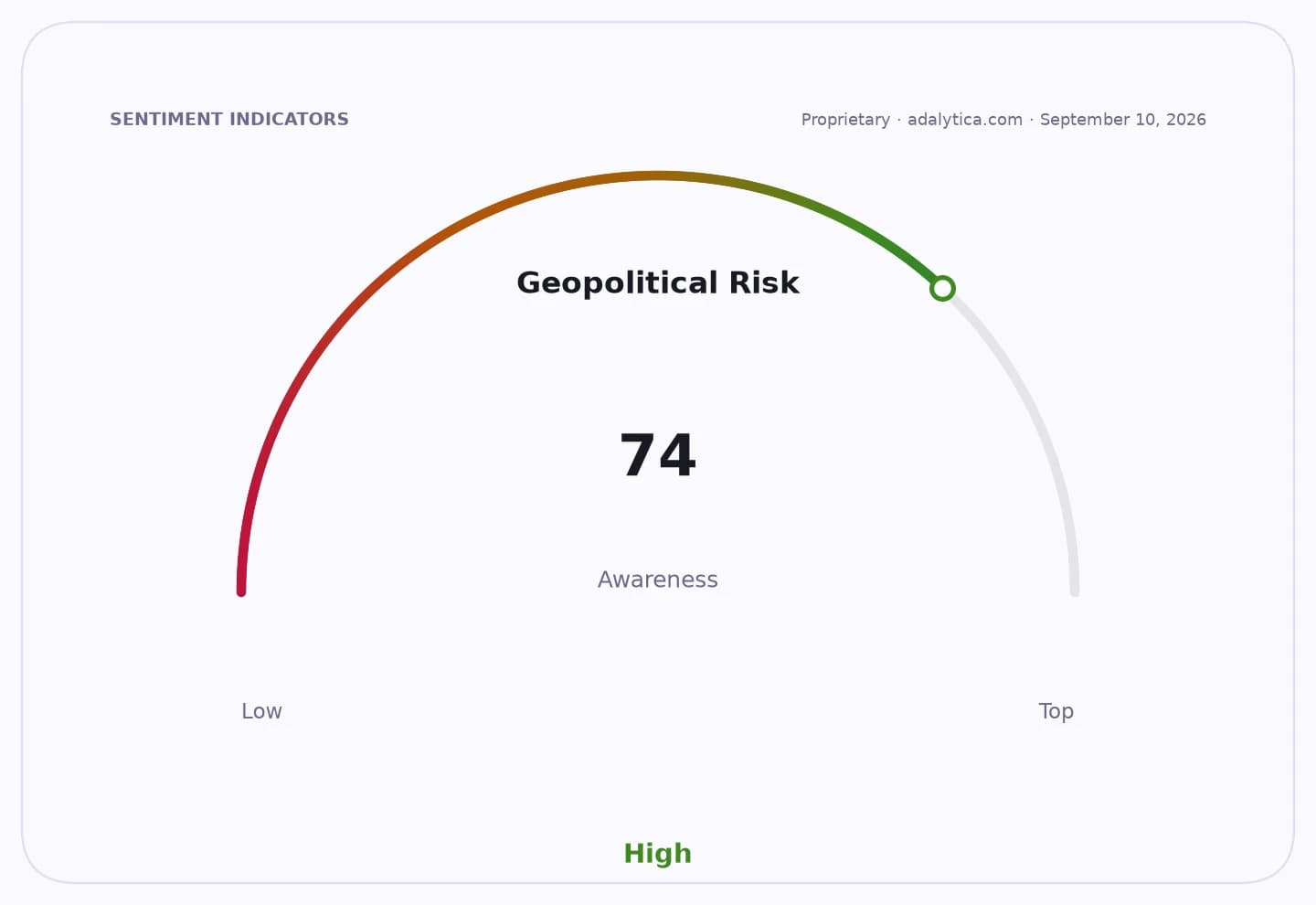
Europe’s gas storage crisis is deepening ahead of winter, with German operators warning reserves are at the lowest level in the history of observation and may be critically tight by February. That matters because Europe now enters the heating season with less of a buffer against supply shocks, forcing buyers back into a highly competitive global gas market and pushing regional prices to fresh highs.
The strain is already showing up in futures. Dutch TTF, Europe’s benchmark gas contract, rose to 81.96 euros on Sept. 10, its highest level in the data provided, after climbing from 75.84 euros two days earlier and 68.32 euros on Aug. 24. The move leaves the contract well above its 50-day moving average of 60.55 euros, while RSI readings near 80 and a bullish MACD signal point to a market that is technically stretched as traders price in winter scarcity.
The economic risk is straightforward: low storage reduces Europe’s ability to absorb cold-weather demand spikes, pipeline disruptions or further geopolitical shocks. That raises the odds of higher household and industrial energy bills, stronger inflation pressure and renewed strain on energy-intensive sectors that are already operating with thin margins.
The backdrop is a market still adjusting to the fallout from the Middle East conflict and broader geopolitical tension, which has disrupted replenishment and tightened competition for LNG cargoes. Even with the European Union saying there is no immediate supply emergency, the shortage of stocked gas forces utilities and importers to bid against Asian buyers and other global demand centers for limited spot volumes.
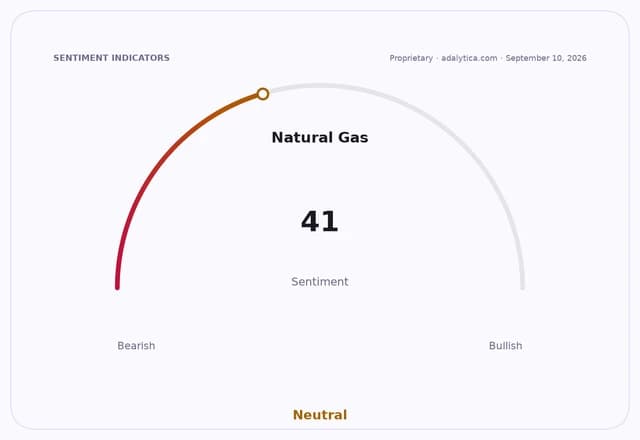
U.S. gas has not provided much relief. Front-month Henry Hub futures were at $2.84 per million British thermal units on Sept. 10, near the lower end of this year’s range and below their 200-day moving average of $3.28, underscoring a domestic market that is not tight enough to offset Europe’s scramble for winter supply. The contrast highlights how regional pricing dislocations can widen when Europe is forced to import more LNG just as storage starts from a weak base.
Investors are watching the fallout across European utilities, LNG exporters and energy-linked equities. Higher TTF prices can improve pricing power for suppliers and gas producers, but they also raise hedging costs and risk reducing demand if industrial users curtail consumption. For consumers and policymakers, the key issue is whether storage can be rebuilt fast enough before cold weather locks in higher prices.
With winter approaching, the market’s next catalyst is the pace of injections into European storage and any fresh disruption to LNG flows. If refill rates stay weak, the region could face not just another price spike, but a prolonged squeeze that keeps gas and power costs elevated well into 2027.
| Entity | Gains | Losses |
|---|---|---|
| European gas sellers | ▲Higher pricing power | ▼Greater volatility |
| Industrial gas users | ▲— | ▼Higher input costs |
| LNG exporters | ▲Stronger demand into Europe | ▼Tighter cargo competition |
| European households | ▲— | ▼Higher winter energy bills |