Europe Gas Storage and Winter Supply Risks
Europe’s shrinking gas cushion is turning energy policy back into an investor issue, with governments signaling they may step in if storage stays too thin to get the region through winter.
That matters because gas storage is not just a seasonal statistic; it is the buffer that keeps heating, power generation and industrial demand from colliding with a supply shock. When inventories run low, buyers lose bargaining power, prices can spike and policymakers start treating gas like a strategic reserve rather than a normal commodity.
The latest figures show European storage at 61.37% of capacity, but that headline masks a dangerous split. Portugal is better positioned, while Germany is still exposed to potential supply trouble because underground reserves remain low. In practical terms, that leaves Europe vulnerable if temperatures turn cold or if any pipeline, LNG or geopolitical disruption tightens supply.
The European Union is already showing how serious the situation is. Officials are prepared to pay nearly double to secure gas ahead of winter, a sign that the market is no longer functioning on normal commercial terms. For households and factories, that means higher energy bills and more pressure on margins. For governments, it means a tougher balancing act between keeping fuel flowing and avoiding a political backlash over costs.
Investors should read this as a reminder that energy volatility is not fading just because prices move around week to week. A low-storage winter can support gas-linked assets, improve pricing power for LNG suppliers and midstream operators, and keep energy equities relevant in diversified portfolios. But it also raises the risk of sudden policy intervention, which can cap gains, distort contracts and reshape trade flows fast.
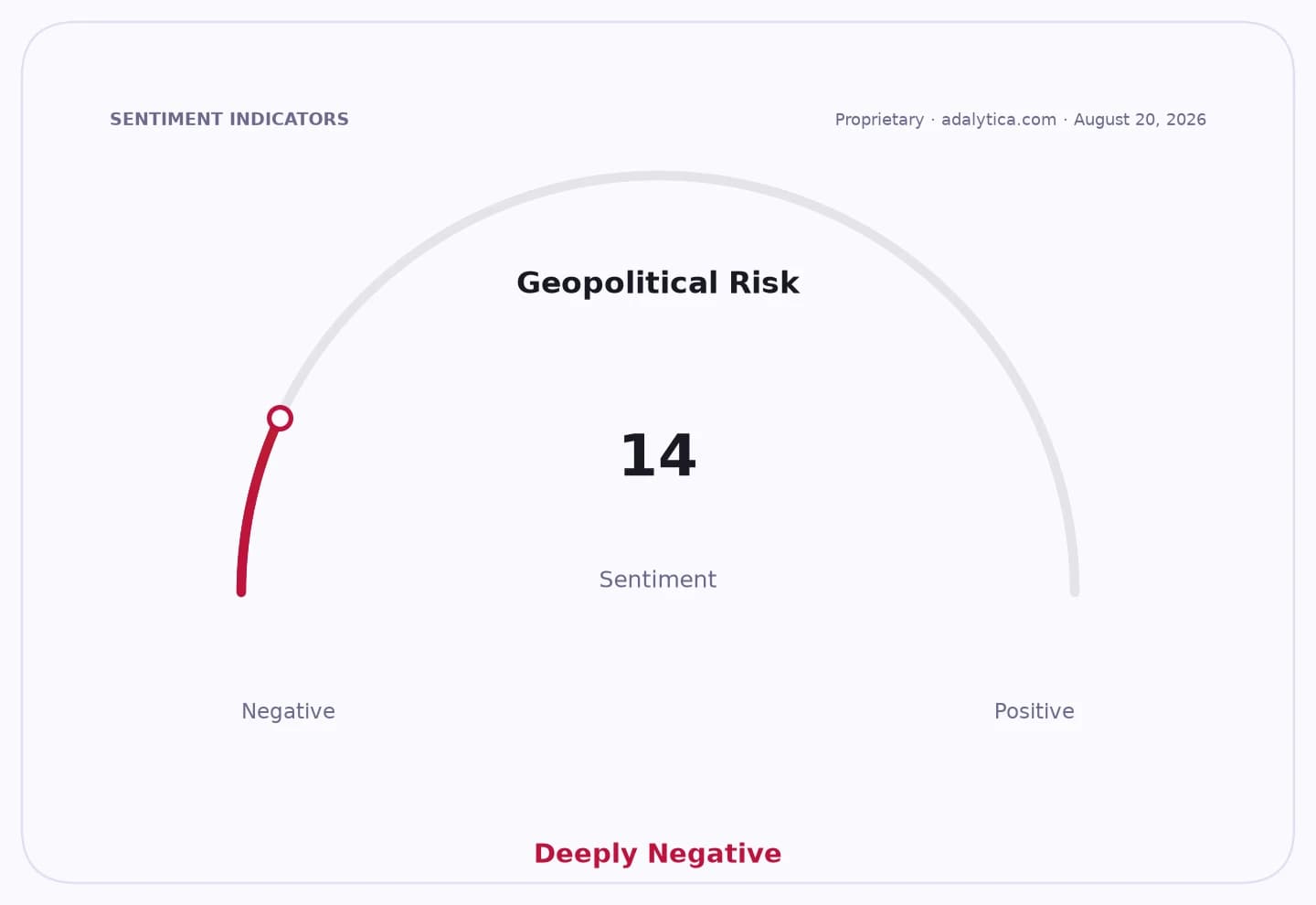
The market backdrop reinforces that tension. WTI crude is trading around $86.74 a barrel, high enough to keep broad energy markets firm, while USO’s Adalytica sentiment reading sits at 84, or “Greed,” even as the global stability gauge shows “Extreme Fear” at 14. That combination says traders may be leaning bullish on energy, but the macro risk picture remains fragile.
For long-term investors, the lesson is straightforward: Europe’s gas crunch is a structural reminder that energy security has become part of the investment case. Suppliers with reliable infrastructure, diversified sourcing and strong cash flow could keep benefiting, while import-dependent buyers and energy-intensive industries stay on the defensive. This is the kind of backdrop that rewards patience, diversification and a willingness to hold quality energy exposure through volatility.
In other words, government intervention is no longer a tail risk — it is part of the winter setup. That makes the gas market worth watching closely, especially for investors looking for durable opportunities rather than short-term headlines.
| Entity | Gains | Losses |
|---|---|---|
| LNG suppliers | ▲Stronger pricing power | ▼ |
| European governments | ▲More leverage over supply | ▼Higher intervention risk |
| Energy producers | ▲Firmer demand outlook | ▼Policy uncertainty |
| Gas importers | ▲ | ▼Higher procurement costs |