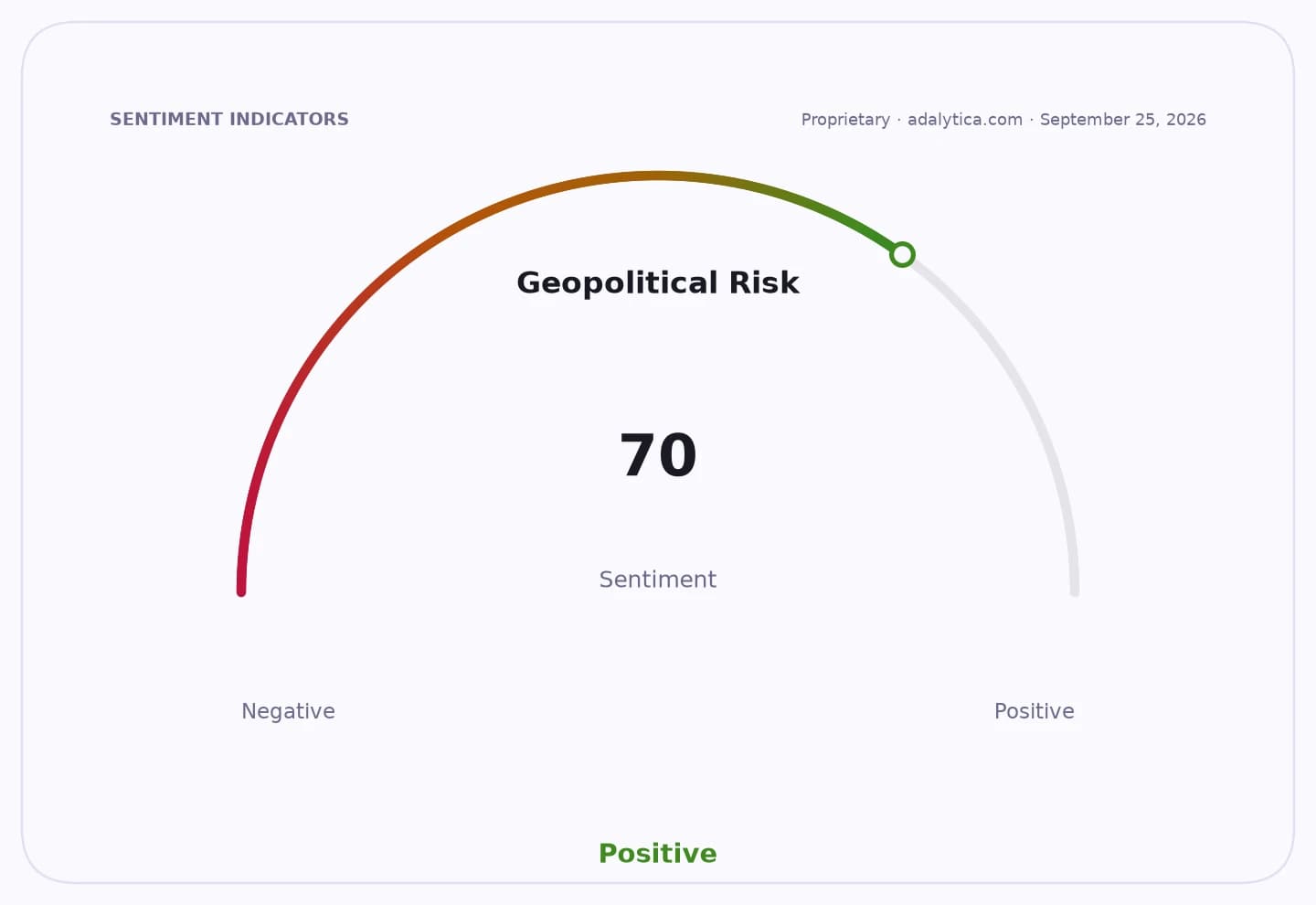
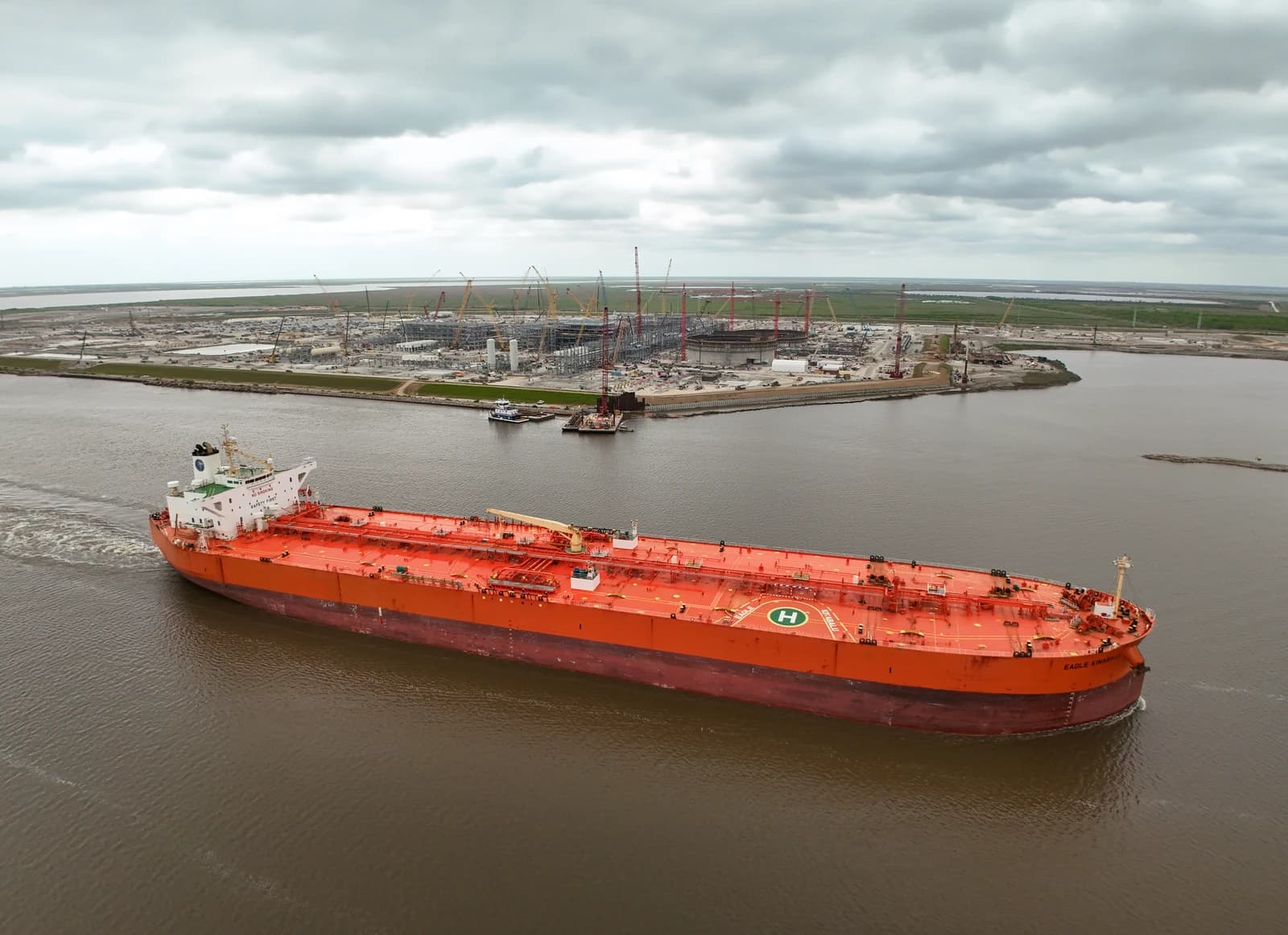
European gas inventories slipping below the refill pace needed for winter is the market’s most important signal right now, because it turns a manageable energy backdrop into a late-summer pricing risk that could ripple through power bills, industrial margins and utility hedging.
Europe Gas Tightness Boosts LNG and Infrastructure
The economic issue is straightforward: if storage injections lag the required rate now, Europe has less cushion when heating demand peaks and any supply interruption becomes more expensive to absorb. That matters far beyond the gas market. A tighter winter balance would feed inflation, pressure chemical and manufacturing output, and force governments to confront another season of energy vulnerability just as growth remains fragile across the region.
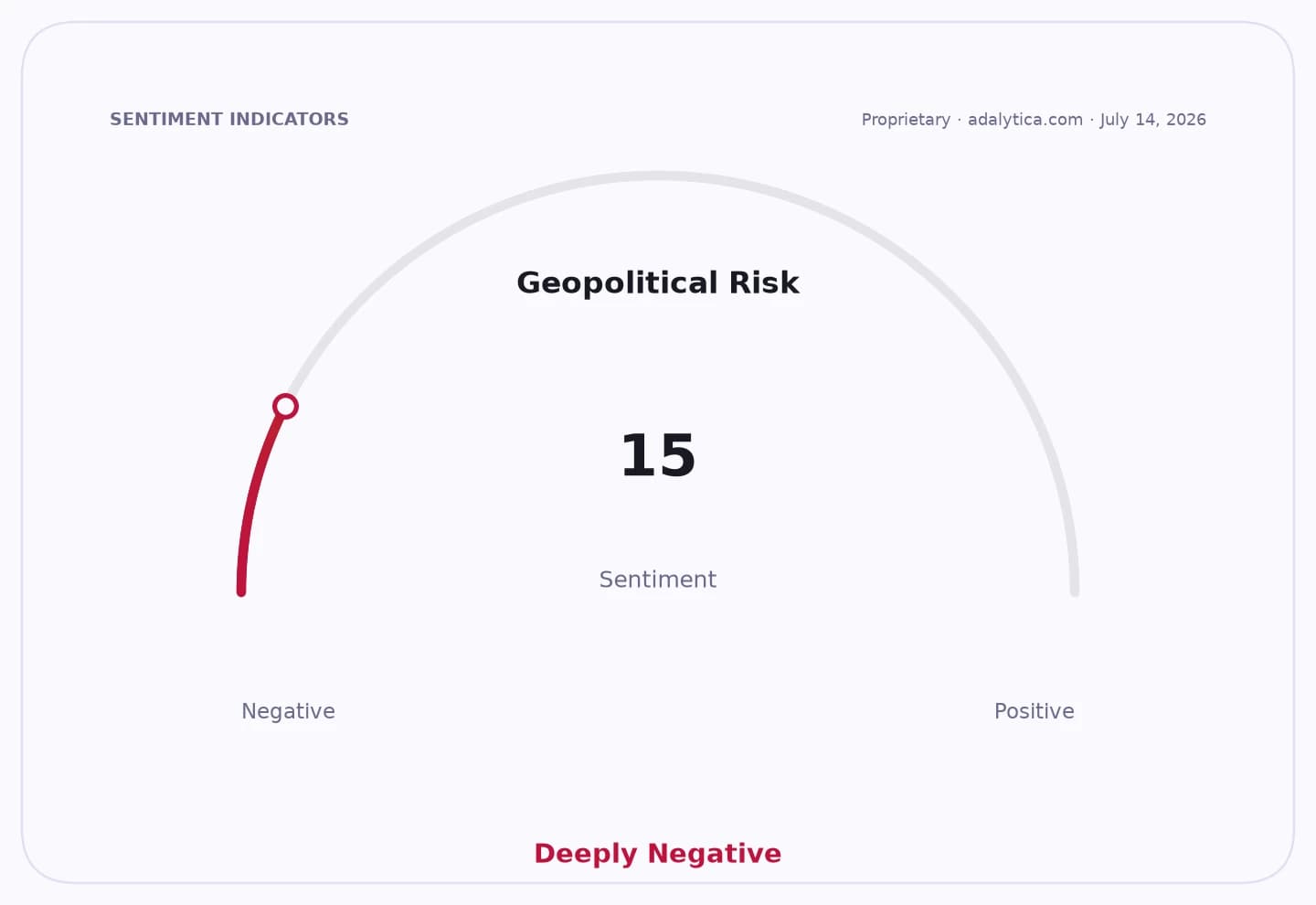
Sentiment IndicatorsⓘProprietary · adalytica.com · July 14, 2026
This is a snapshot — live sentiment, awareness and momentum for 130+ markets update continuously in the dashboard.Open AlphaPulse
The market is already telling you that the risk is real. The United Nations gas proxy, UNG, has been probing lower, with the fund closing at 10.37 on July 13, below its 50-day average of 11.34 and its 200-day average of 12.30, while its RSI reading has dropped to 28.1, a level that often reflects oversold conditions. That does not erase the structural message: traders are pricing a market that remains highly sensitive to weather, storage and geopolitical shocks.
The broader energy complex is flashing the same tension. LNG shares have surged, with Cheniere Energy at 263.29, well above both its 50-day and 200-day moving averages, and its RSI near 80, a sign investors are crowding into the liquefied natural gas theme. XLE, the energy ETF, has also firmed to 56.74, showing how the market keeps paying for supply security even as spot prices fluctuate. That is the key investment tell: when Europe’s storage position weakens, capital rotates toward the infrastructure and export assets that can move molecules into the shortage.
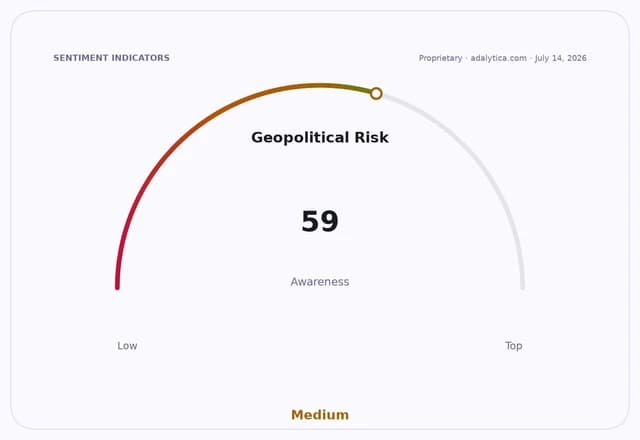
Geopolitical Risk vs UNGadalytica.com
Explore this data interactively — full history, time series and cross-market comparisons.Open AlphaPulse
This is why the story matters for investors. A storage deficit does not just lift prompt gas prices; it can widen the valuation gap between imported energy and companies with export capacity, liquefaction, transport or storage assets. It also gives integrated producers, LNG exporters and pipeline operators more leverage over contract renewals and winter pricing power. In a world of geopolitical fragmentation, reliability itself has become a premium asset.
Adalytica’s Global Stability Sentiment sits at Extreme Fear, while its U.S. Dollar Trade Signals show pronounced caution, underscoring that this is not a calm macro backdrop. Combine that with Brent and WTI volatility, and the message is clear: Europe’s gas balance is becoming an investable macro catalyst, not just a seasonal statistic.
The trade from here is to stay long the toll roads of the LNG system and wary of Europe’s energy-intensive users. If storage remains below the required path into autumn, the next move is not just higher gas prices — it is a renewed pricing of energy security across the entire European market. Investors should position early in the infrastructure and LNG beneficiaries before winter risk becomes consensus.
| Entity | Gains | Losses |
|---|---|---|
| LNG exporters | ▲Higher winter pricing power | ▼Lower-margin spot exposure |
| European utilities | ▲Storage optionality | ▼Balance-sheet stress |
| Energy infrastructure firms | ▲Bigger throughput demand | ▼Limited if supply stays tight |
| Energy-intensive manufacturers | ▲— | ▼Higher input costs |