Europe Heat Wave Lifts Power Demand and Utility Risks
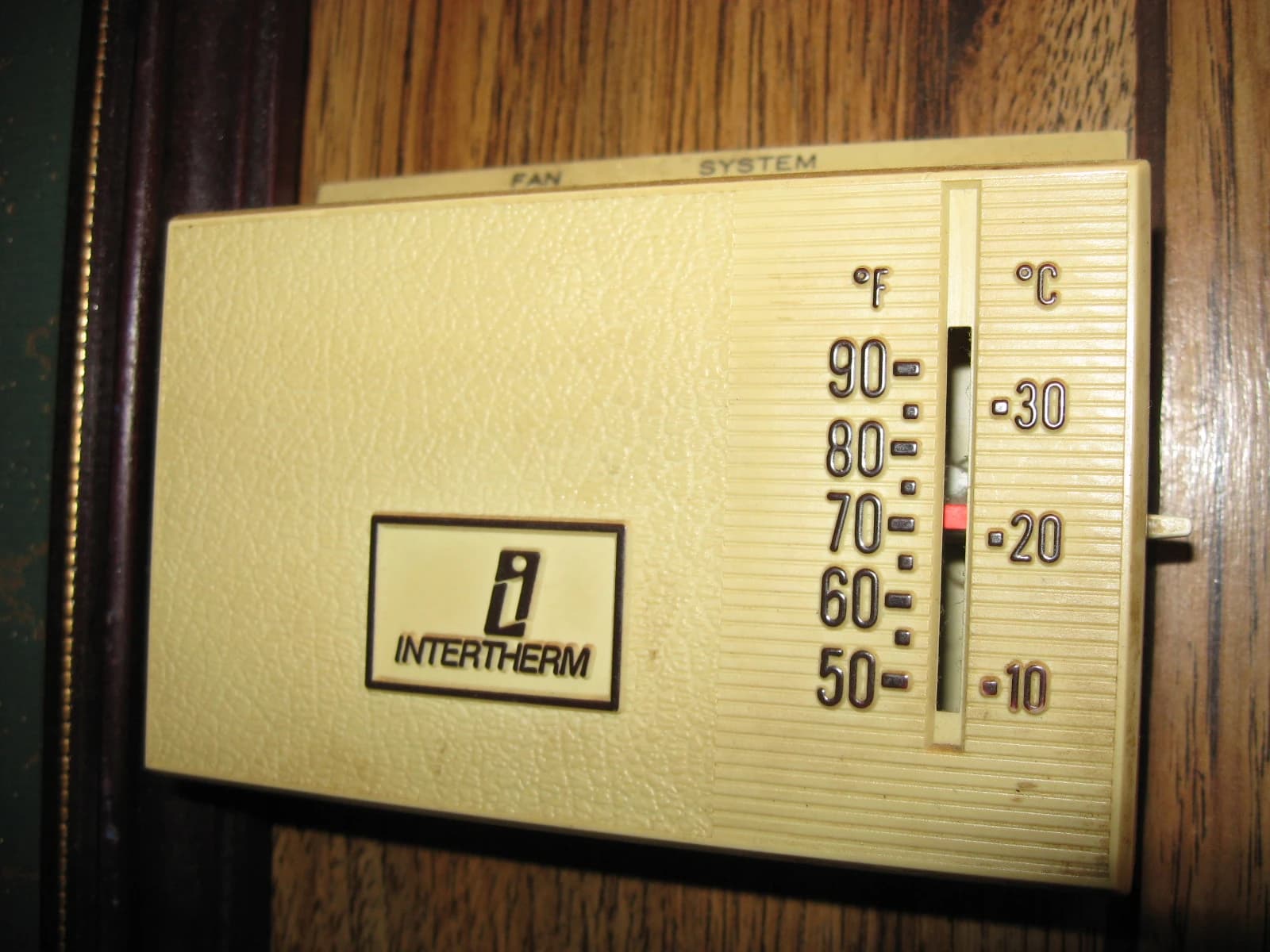
Extreme heat across Europe is lifting electricity demand, straining power systems and putting households back on the hunt for savings without giving up comfort.
The squeeze matters because electricity is no longer just a utility expense in summer; it has become a macro variable tied to inflation, industrial costs and household purchasing power. With Romania restarting a coal-fired plant to shore up supply and Montenegro’s sole thermal unit temporarily knocked offline by a grid failure, the region’s energy mix is being forced toward emergency reliability measures even as climate targets keep pushing in the opposite direction.
That tension is important for investors because it can ripple through regulated utilities, grid operators and equipment suppliers, while also shaping the policy backdrop for power prices. U.S. consumer prices have continued to grind higher as well, with the latest CPI reading at 332.568 in June and a forecast rise to 335.512 in July, underscoring how persistent cost pressures can stay visible even when monthly moves are modest. Producer prices have also been elevated, with the gauge at 286.827 in June and projected to climb to 295.8433 in July, a sign that energy and infrastructure costs still feed through the system.
For utilities, the current backdrop is a mixed bag. Duke Energy’s latest trading action shows the stock at 123.03 on Aug. 5, roughly in line with its 200-day moving average and below its 50-day average, suggesting investors are still balancing defensive income appeal against operational and weather risks. American Electric Power, by contrast, has pulled back to 126.2 from a July peak above 138, while still trading above its 200-day average, reflecting how quickly weather-driven demand and regulatory concerns can move sentiment in the sector. NextEra Energy, often seen as a cleaner-energy bellwether, has also softened to 85.79, with the price slipping below its 50-day average and near its 200-day level.
The economic narrative is straightforward: hotter weather raises peak load, but it also exposes the fragility of systems built around aging thermal capacity and uneven renewable integration. European utilities and policymakers are being forced to choose between short-term reliability and long-term decarbonization goals, while consumers are left trying to trim the bill through more efficient cooling, better thermostat use and smarter timing of power-hungry appliances. That is why the search for summer energy savings has turned into more than a household budgeting exercise; it is a response to a structural strain on power grids.
Investors should watch whether the heat wave proves temporary or becomes part of a recurring pattern that keeps electricity prices volatile and capital spending elevated for generation, transmission and backup capacity. If the summer persists, utility revenues may benefit from stronger load, but so too could fuel costs, outage risk and political pressure over affordability. The winners are likely to be companies with resilient grids and diversified generation. The losers are households, energy importers and any operator relying on a single point of failure in a hotter Europe.
| Entity | Gains | Losses |
|---|---|---|
| Regulated utilities | ▲Higher summer demand | ▼Outage and fuel-cost risk |
| Grid and equipment suppliers | ▲More resilience spending | ▼Delayed capex in weak systems |
| Households | ▲Efficiency savings | ▼Higher electricity bills |
| Thermal generators | ▲Emergency dispatch demand | ▼Climate-policy pressure |