Europe LNG imports hit nearly 1-year low
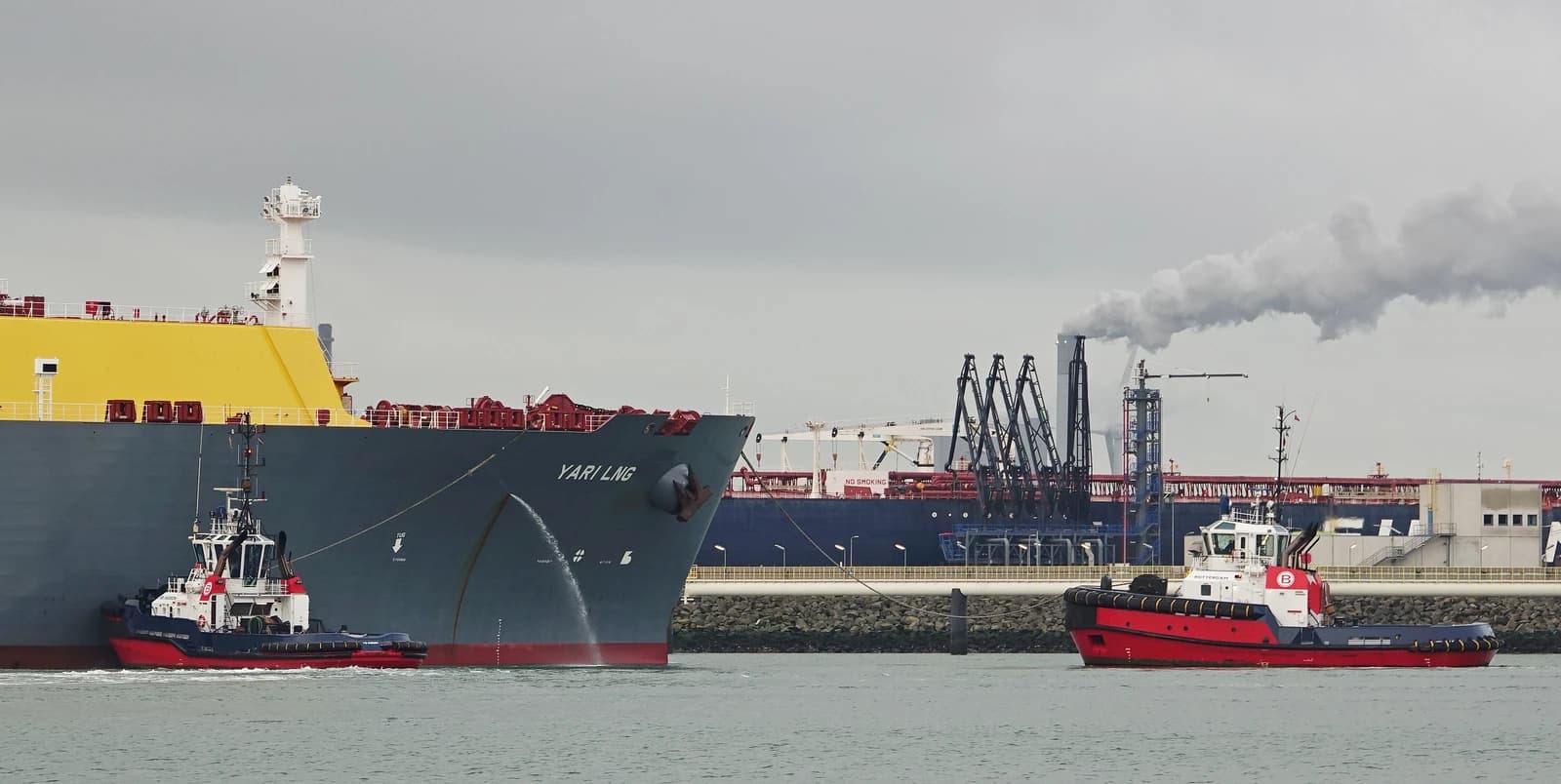
Europe’s drop in liquefied natural gas imports to the lowest level in nearly a year is the clearest sign yet that the region’s gas market has shifted from crisis management to a more disciplined, price-sensitive phase.
That matters because LNG is still the swing supply keeping Europe’s power system, industry and storage balanced. When imports fall, it usually means buyers are either drawing on inventories, relying on pipeline gas or simply refusing to chase cargoes at prevailing prices. For the continent, that can ease the immediate import bill and reduce pressure on utilities and industrial users. For global LNG producers, it raises the risk that Europe is no longer the automatic buyer of last resort.
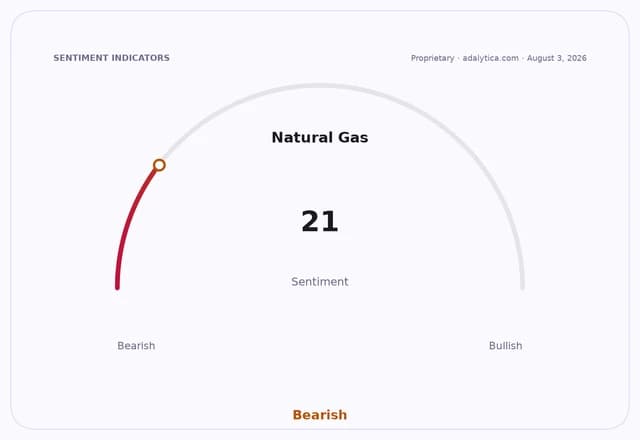
The macro backdrop helps explain why this is happening now. Oil is trading near $88.70 a barrel in the latest forecast, while U.S. 10-year yields are still elevated at about 4.66%, keeping financing conditions tight and reinforcing the market’s preference for cash-generating energy assets over speculative growth. At the same time, Adalytica’s natural gas market signals show “fear” and “extreme fear,” suggesting the market is still underestimating how quickly demand can shift when European buying softens.
For investors, the message is not that LNG is broken. It is that the trade is changing. The supply-demand setup that rewarded every molecule of gas heading into Europe is becoming more selective, which should favor the best-positioned exporters, integrated majors and infrastructure owners over higher-cost cargo sellers. Cheniere Energy remains a core U.S. LNG beneficiary, with its shares around $263.57 after trading above both its 50-day and 200-day moving averages, while Shell at $91.98 continues to benefit from global gas marketing and trading exposure. BP, up to $45.22, also stands to gain from a stronger upstream and LNG mix, though its recent gains reflect broader energy strength as much as the Europe demand story.
The bigger narrative is that Europe’s gas market is moving toward a new equilibrium built around resilience rather than emergency buying. That is a structural change with real implications for LNG pricing, export contracts and capital allocation across the energy sector. If imports stay subdued, the next leg of the trade likely favors disciplined producers, midstream toll-road assets and integrated oil majors over the more crowded “everything LNG” consensus. The opportunity now is to own the names with pricing power and balance-sheet strength before the market fully prices in a lower-volume, higher-selectivity European gas market.
| Entity | Gains | Losses |
|---|---|---|
| European buyers | ▲Lower import costs | ▼Less supply flexibility |
| LNG exporters | ▲Long-term contract holders | ▼Spot sellers |
| Cheniere Energy | ▲Export pricing power | ▼Volume growth at any price |
| Shell / BP | ▲Trading and upstream margins | ▼Weak European LNG demand |