Europe Pellet Growth Favors Low-Cost Miners
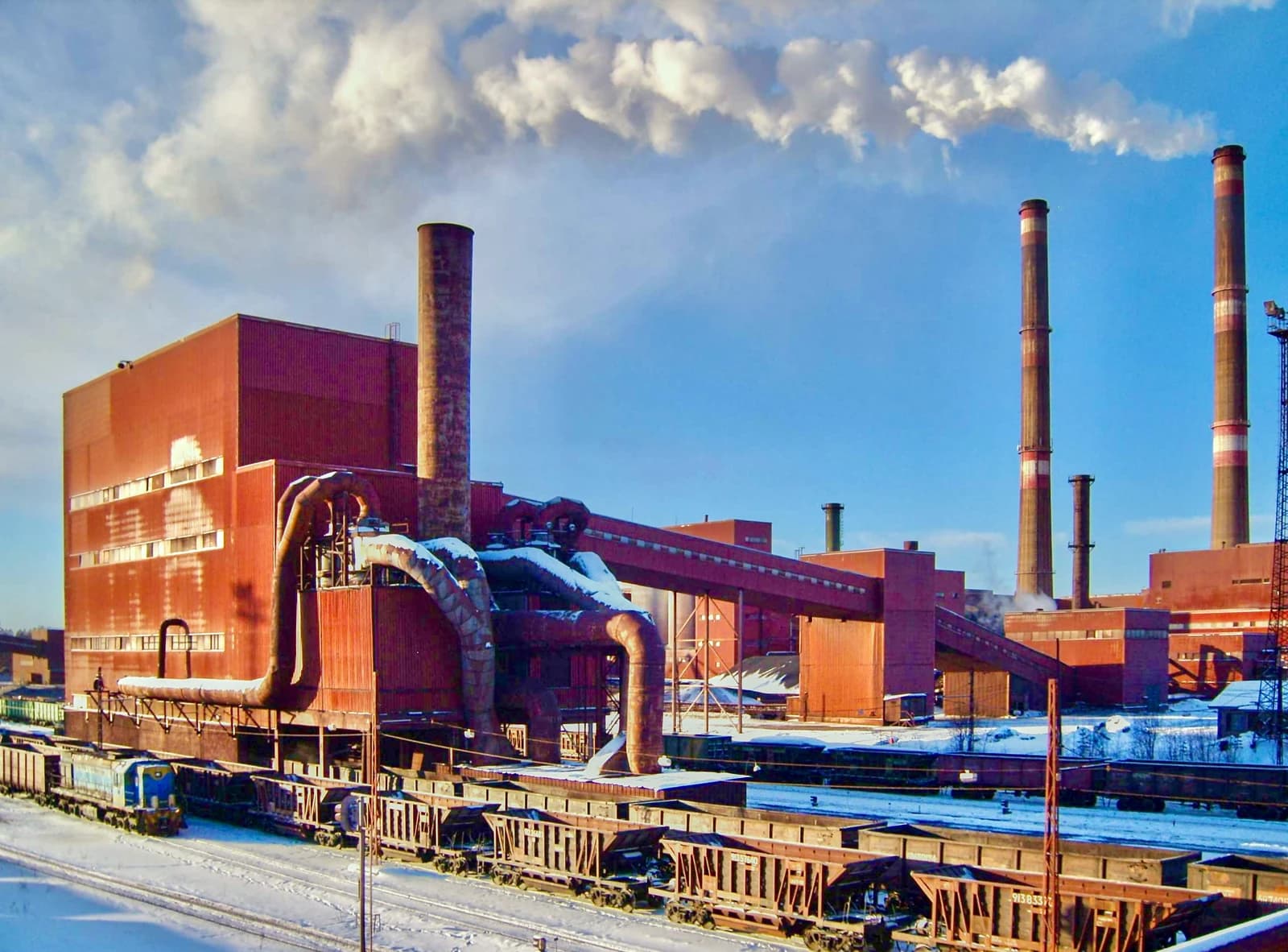
Europe’s iron ore pellets market is set to expand about 3% through 2026, but the real investment story is whether tighter mining supply, uneven steel demand and volatile freight costs translate into better pricing power for pellet producers and steelmakers’ raw-material bills.
That matters because pellets are not a niche input: they are a higher-grade feedstock for blast furnaces and increasingly a strategic component in steel decarbonization, where mills want more efficient ore products. A modest growth rate implies the market is not entering a boom, but it is also not shrinking in a region where industrial output has been fragile and where cost inflation in raw materials has repeatedly outpaced finished-steel demand.
The backdrop is a mixed industrial picture. U.S. industrial production has recovered to just above 101 in recent readings and is forecast to edge higher, while broad producer prices have climbed to 292.5 and are still projected to rise again, underscoring that input costs remain sticky even as demand normalizes. Ten-year Treasury yields around 4.55% also point to a financing environment that is not especially accommodative, which tends to favor large integrated miners and established pellet suppliers over smaller, higher-cost players.
For European steelmakers, the main issue is margin compression. Pellets typically command a premium over lower-grade fines because they improve blast furnace efficiency and reduce emissions intensity, but that premium only helps producers if end-demand for steel is stable enough to absorb it. If construction and manufacturing remain soft, mills will have limited ability to pass on higher raw-material costs, even as they are pushed toward higher-grade inputs by environmental regulation and operational efficiency goals.
The market implication is that supply discipline may matter more than volume growth. A 3% expansion through 2026 suggests steady rather than explosive demand, so any disruption in seaborne supply, port logistics or mine output could have an outsized effect on pricing. That is relevant after recent labor unrest at BHP’s Western Australian export operations highlighted how quickly iron ore supply chains can tighten. Even where the disruption is outside Europe, it can lift delivered costs and ripple through global benchmark prices.
Investors are likely to view that as a relative winner-loser setup. Producers with scale, low costs and integrated logistics — such as Vale, Rio Tinto and ArcelorMittal’s upstream-linked operations — are better placed to capture stable pellet demand or pass through higher prices. Steelmakers with less pricing power face the opposite: they may need pellets for quality and emissions reasons, but every basis-point increase in feedstock cost hits margins if finished-steel demand stays subdued.
The recent share-price action reflects that tension. Vale’s stock has fallen back toward the mid-teens after an earlier surge, while Rio Tinto has also given up ground from its spring highs, suggesting investors are no longer pricing a straight-line recovery in iron ore or pellet economics. ArcelorMittal has also been volatile, consistent with a market that likes the long-term decarbonization thesis but remains wary of cyclical demand risk.
The narrative connecting these facts is straightforward: Europe’s pellet market is growing, but in a world of uneven industrial activity, the winners will be the companies with the best cost base and supply chain control, not necessarily the ones with the biggest exposure to volume growth. The next catalyst will be whether global steel output stabilizes enough to support pellet premiums, or whether another supply shock lifts raw-material prices faster than end demand can absorb them.
| Entity | Gains | Losses |
|---|---|---|
| Pellet producers | ▲Higher-grade demand | ▼Limited volume growth |
| European steelmakers | ▲Efficiency gains | ▼Higher raw-material costs |
| Low-cost miners | ▲Pricing power | ▼None significant |
| Smaller mills | ▲Access to quality feedstock | ▼Margin pressure |