Europe pressure on Russia lifts defense and energy
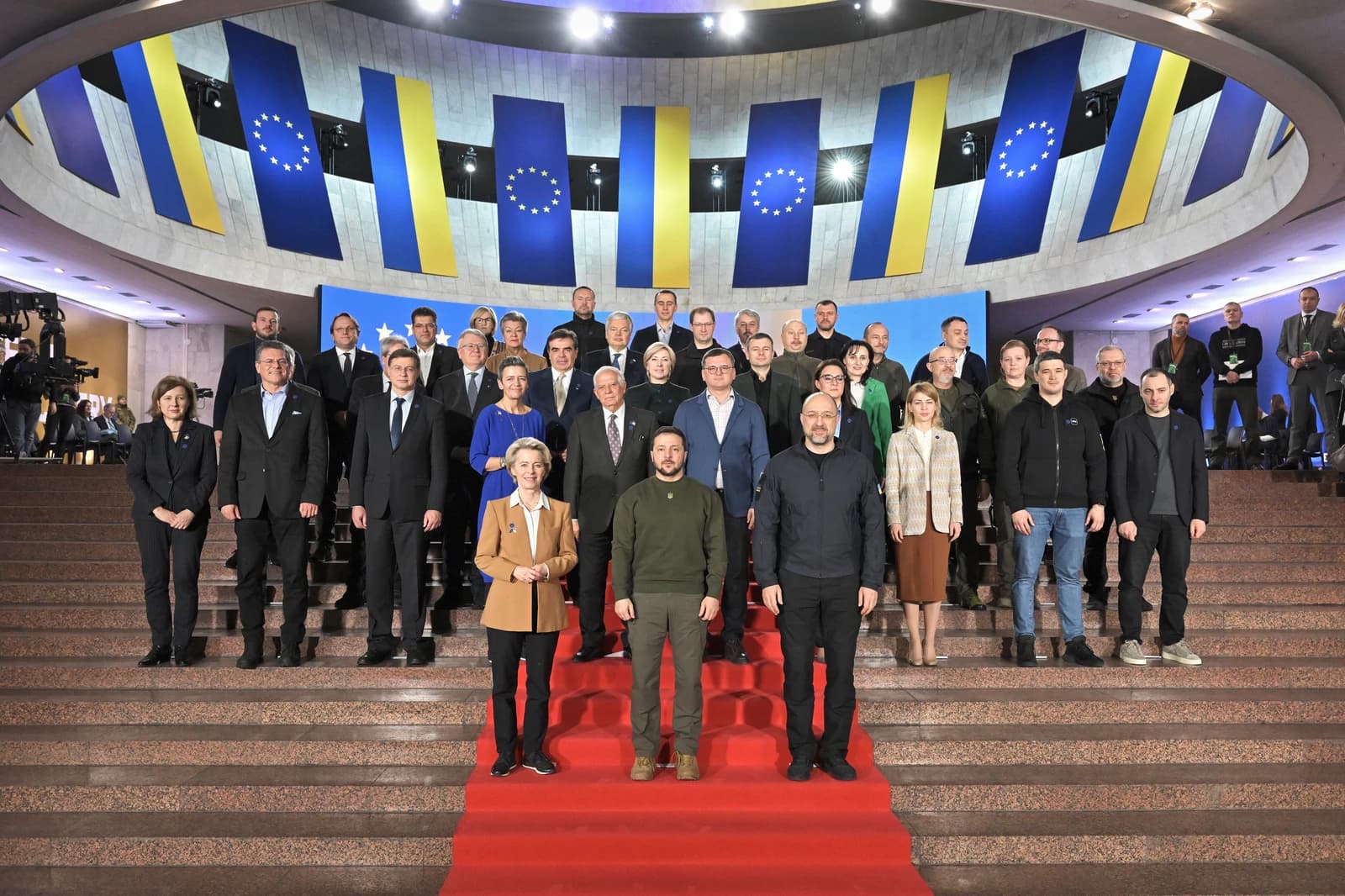
Europe is moving to intensify pressure on Russia just as a fresh wave of hybrid attacks, drone incidents and airspace violations raises the economic cost of the war and keeps defense and energy markets on edge.
That matters because Ursula von der Leyen’s message with NATO chief Mark Rutte was not just political theater. It signals that Brussels is preparing another sanctions round, while allied governments are treating Russian-linked sabotage and incursions as a broader security campaign rather than isolated events. In other words, the conflict is deepening in a way that can keep military spending elevated, tighten energy-risk premiums and preserve demand for defense equipment well beyond the next headline cycle.
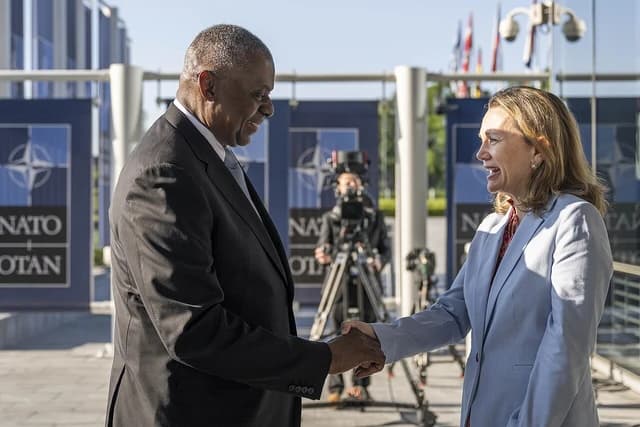
Von der Leyen said the EU and NATO would “further increase the pressure” on Moscow after German authorities tied an attempted attack in Leipzig to Russia. She framed the episode as part of a wider pattern that includes drone disruptions at airports, airspace breaches and interference with critical infrastructure, warning that Europe should not accept this as the “new normal.”
For investors, the most important takeaway is that Europe is hardening into a more durable security economy. That supports the defense trade first. The iShares U.S. Aerospace & Defense ETF, ITA, has rallied sharply, with its shares closing at $225.46 on Sept. 1 after touching a recent high of $242.79 in June, while the ETF remains above its 200-day moving average. The move reflects a market that is still underestimating the persistence of NATO rearmament, ammunition replenishment and air-defense procurement.
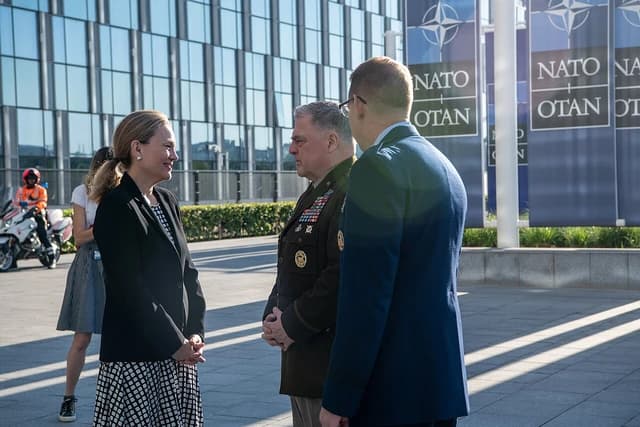
The second-order winner is energy. Russia headlines tend to keep crude elevated because they reinforce the geopolitical risk premium, especially when policymakers openly discuss heavier sanctions on Moscow’s war financing. The U.S. oil benchmark is around $91.75 a barrel in the latest forecast, up from $84.57 only days earlier, showing how quickly supply-risk pricing can return when tensions escalate. The Energy Select Sector SPDR Fund, XLE, has also surged to $64.77, above both its 50-day and 200-day moving averages, a sign that investors are still positioning for a world where energy remains strategically scarce.
That backdrop also favors inflation-sensitive assets. The Invesco DB Agriculture Fund, DBA, has climbed to $29.49, with strong momentum indicators as food and fertilizer markets continue to reflect the strain of war, shipping disruption and sanctions leakage. If Europe and the U.S. add fresh penalties, the market should expect more pressure on logistics, insurance and commodity flows — not less.
The broader narrative is simple: Western governments are moving from reactive sanctions to a longer-term containment strategy, and the market is still too slow to price the capital that follows that shift. Defense contractors, missile makers, drone suppliers and energy producers are the obvious beneficiaries, but the real opportunity sits with the picks-and-shovels names tied to rearmament, border security, cyber defense and fuel supply resilience.
My thesis is that investors should treat every escalation in Europe’s pressure campaign on Russia as a multi-year allocation signal, not a short-lived headline. The war is widening into a structural spending cycle, and that is exactly the kind of geopolitical regime change that can drive outsize returns in defense, energy and hard-asset exposures.
| Entity | Gains | Losses |
|---|---|---|
| Defense contractors | ▲Bigger NATO orders | ▼Budget-constrained rivals |
| Energy producers | ▲Geopolitical risk premium | ▼Fuel consumers |
| Europe/NATO security stocks | ▲Rearmament tailwind | ▼Russia-exposed assets |
| Russia-linked trade | ▲— | ▼Sanctions and financing pressure |