Europe security risk boosts defense spending
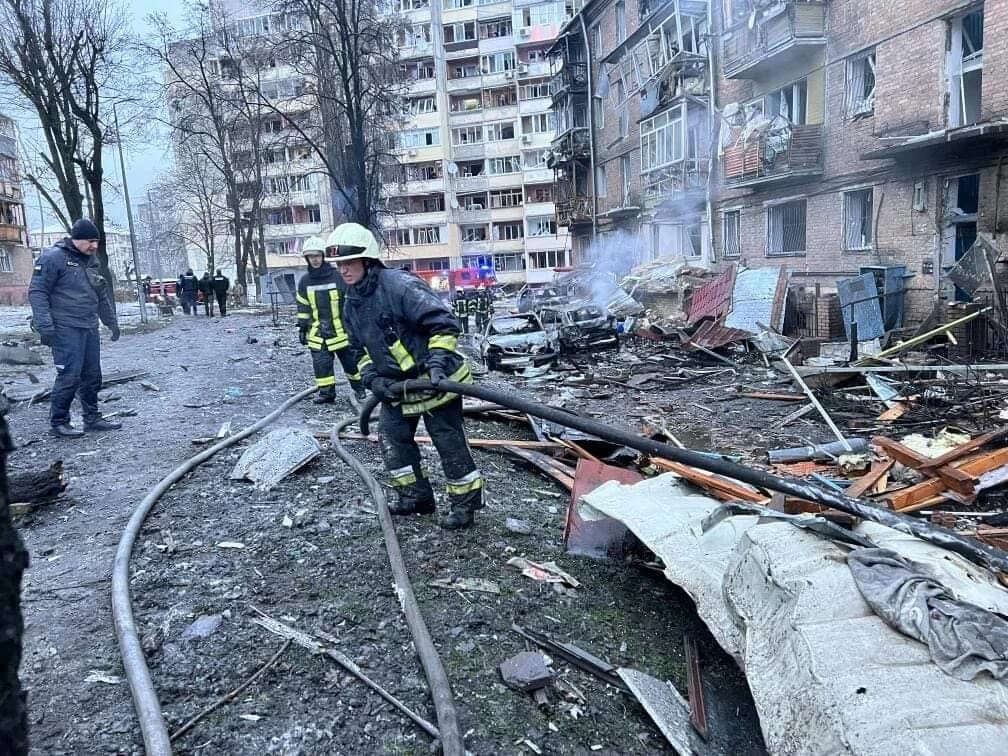
Europe’s security threat is no longer a distant geopolitical worry — it is an operating risk, and that matters for markets because persistent sabotage, drone incursions and airspace violations raise the long-run cost of doing business across the continent. For investors, the message is simple: the fallout from Russia’s confrontation with Europe is increasingly showing up in defense spending, infrastructure resilience and asset allocation, not just in headlines.
That is the core of Blas Moreno’s warning, which cuts through the old debate over whether Moscow will widen the war. His point is that the conflict has already spilled far beyond Ukraine. Germany’s accusations over a failed attack at Leipzig airport are part of a broader pattern of pressure on European targets, including critical infrastructure, nuclear-related facilities, submarine bases and airports.

The numbers help explain why this is moving from theory to reality. Moreno says Europe recorded 62 Russian airspace incursions in the first four years of the war, then 50 more in just the part of 2026 already elapsed. That acceleration is what changes the investment case. A steady drumbeat of violations forces governments to spend more on air defense, surveillance, cybersecurity and redundancy in transport and energy networks. It also increases the premium investors should assign to companies that help Europe harden its infrastructure.
For markets, that means defense contractors, aerospace suppliers, radar and electronic warfare specialists, and cybersecurity firms remain the obvious beneficiaries. The flip side is that airlines, logistics operators, ports, airports and any business exposed to disruptions in Europe face higher operating risk and potentially higher insurance and compliance costs. Even if these incidents never escalate into open conflict with NATO, the economic drag from uncertainty alone can be meaningful.
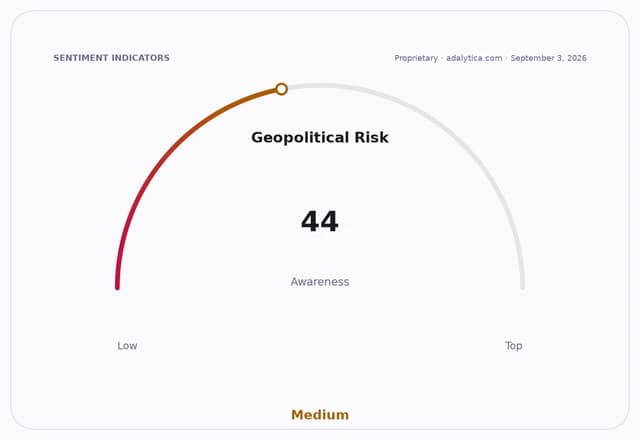
The broader narrative is that Europe is entering a prolonged security rearmament cycle. That is likely to support defense budgets for years, especially in Germany, Poland, the Baltic states and France, while also pushing the European Union to confront how vulnerable its critical systems really are. Investors who think in multi-year horizons should see this as part of a structural shift in capital spending, not a temporary spike in fear.
There are risks, of course. Markets can get complacent if the headlines fade, and policymakers may still move too slowly. But if Moreno is right, the smarter assumption is not that Europe is being warned — it is already being tested. For long-term investors, that makes defense and resilience themes worth keeping on the watchlist.
| Entity | Gains | Losses |
|---|---|---|
| Defense contractors | ▲Higher European orders | ▼- |
| Cybersecurity firms | ▲More spending on resilience | ▼- |
| Airlines and airports | ▲- | ▼Higher disruption risk |
| European governments | ▲Stronger security mandate | ▼Higher budget pressure |