Europe travel demand supports Booking, Expedia, Airbnb

Travel demand is holding up across Europe, and that matters because it is feeding one of the clearest post-pandemic spending trends in consumer services: more travelers are paying up for guided vacations, packaged itineraries and easier trip planning.
In the sponsored interview, CIE Tours’ Stephen Cotter says travelers are still looking for Europe trips, with demand shifting toward guided vacations and more organized experiences. That lines up with a broader booking backdrop that has kept online travel names in focus, even as the sector’s stocks have been volatile.
Booking Holdings shares closed at $199.09 on Aug. 31, below its 50-day moving average of $192.48 and far under the 200-day average of $185.41 after a sharp year-end slide and rebound. The stock’s RSI reading of 35.3 suggests the move has cooled, while August trading showed a range between $172.83 and $205.63. Expedia finished at $317.12, still well above its 50-day and 200-day moving averages, while Airbnb ended at $183.22 after a strong summer run that left it above both long-term averages.
For investors, the key issue is whether Europe demand and guided-tour bookings can keep translating into pricing power and margin support for online travel agencies, hotels and alternative lodging platforms. Booking’s latest filing flagged that the growth of its alternative-accommodation business can pressure margins, underscoring why investors care about mix and commission rates as demand evolves.
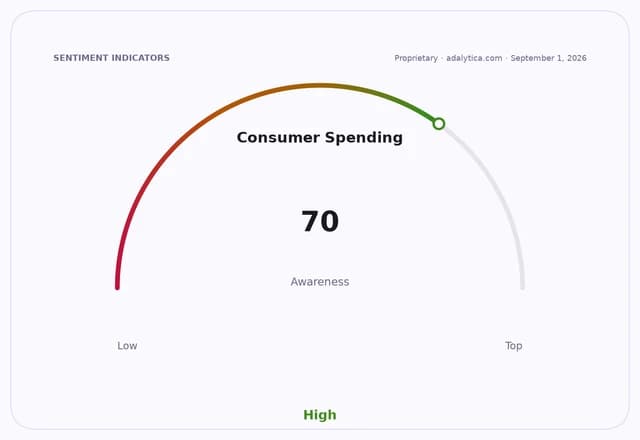
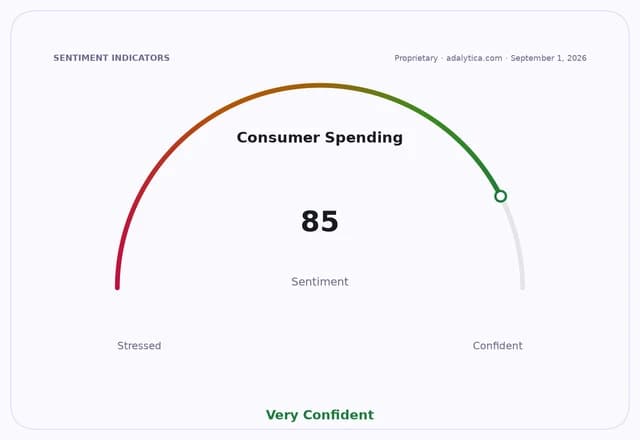
The backdrop is not uniformly soft. Adalytica’s consumer spending sentiment gauge is at 85, labeled greed, while its consumer confidence recession sentiment sits at 11, or extreme fear, signaling a split between willingness to spend and worry about the economy. That kind of divergence tends to favor brands with strong distribution, flexible inventory and products that reduce trip-planning friction.
The next catalyst is the autumn booking cycle, when travel companies will be watched for evidence that Europe remains resilient and that guided vacations continue to outpace more discretionary trip categories.
| Entity | Gains | Losses |
|---|---|---|
| CIE Tours | ▲Higher guided-vacation demand | ▼DIY travel alternatives |
| Booking Holdings | ▲More Europe bookings | ▼Margin pressure from mix |
| Expedia | ▲Package-travel traction | ▼Slower discretionary spend |
| Airbnb | ▲Travel demand tailwind | ▼Price-sensitive hosts |