European gas prices jump on Middle East war fears
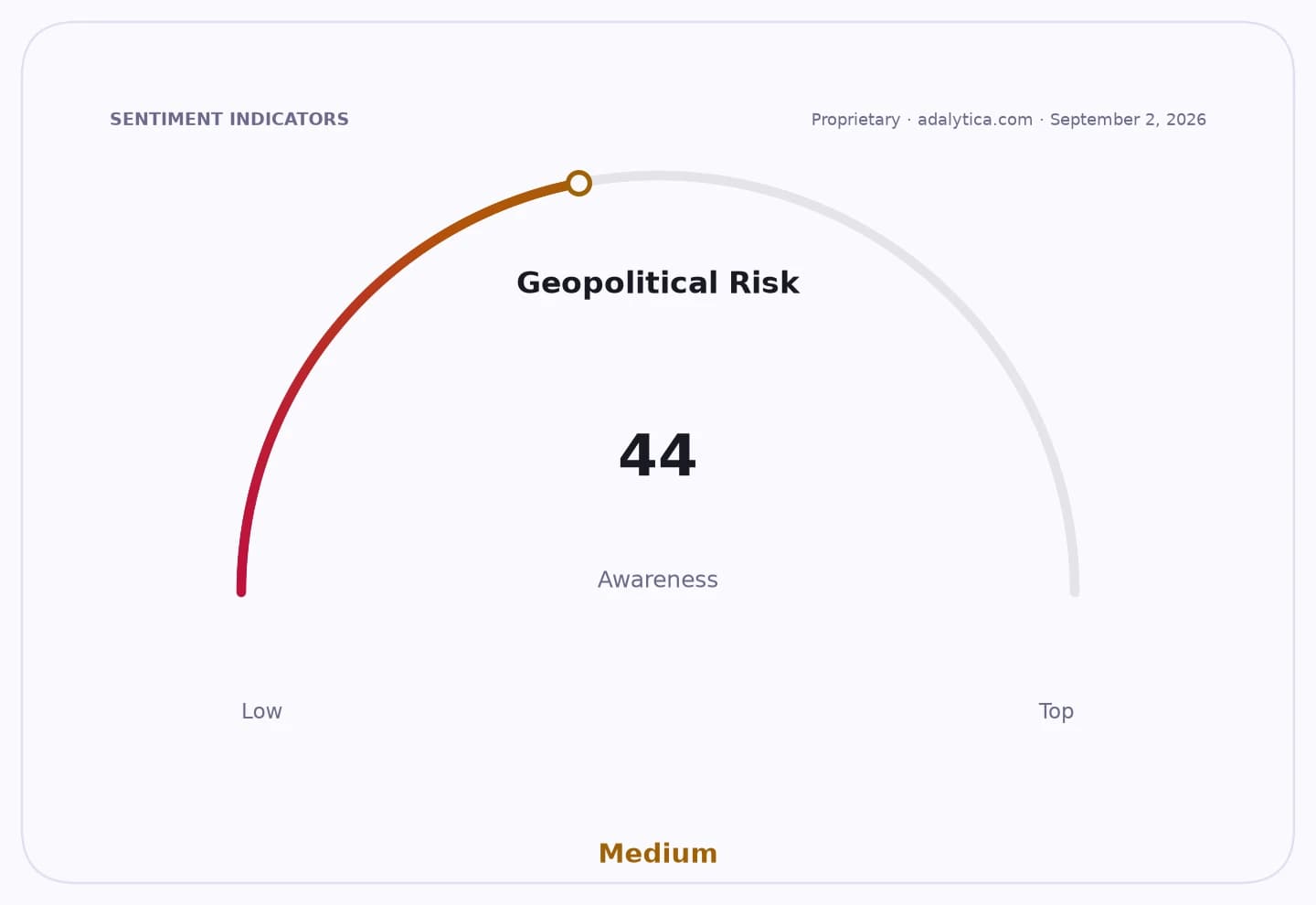
European natural gas prices have surged to their highest level since early 2023 as renewed war fears in the Middle East threaten the region’s already thin winter cushion and raise the risk of a deeper inflation shock.
The benchmark Dutch TTF contract climbed more than 6% to above €74 per megawatt-hour, with prices briefly topping €75 earlier in the session, while Brent crude also jumped above $94 a barrel before easing. The move matters because Europe is entering the replenishment season with storage only about 63% to 65% full, leaving governments and utilities less room to absorb any disruption to liquefied natural gas cargoes or pipeline flows before heating demand peaks.
That makes this more than a one-day energy spike. The market is reacting to the possibility that shipping through the Strait of Hormuz could remain under threat if direct hostilities between the U.S. and Iran continue, putting Gulf LNG exports at risk just as Europe needs to stockpile gas for winter. ECB economists have already linked higher energy costs to eurozone inflation at 3.3%, and another leg higher in gas would feed straight into power bills, factory margins and household spending across the currency bloc.
Investors should treat this as a classic supply-shock trade, with winners and losers diverging quickly. Energy producers, LNG exporters and selective utility names with hedging power stand to benefit from firmer pricing, while heavy industrials, chemical makers and rate-sensitive European consumers face margin pressure. The 50-day moving average and RSI readings on U.S.-linked gas vehicles such as UNG show the move is not just about headlines but about momentum being pulled higher by a real tightening in the physical market.
The bigger investment point is that Europe’s energy vulnerability has not disappeared just because the worst of the 2022 crisis faded. Low inventories, geopolitical fragility and seasonal demand are lining up again, and that creates an asymmetric setup for anyone positioned in gas infrastructure, LNG logistics and power generation assets with pricing power. If the conflict escalates or colder weather arrives before storage is rebuilt, gas can stay bid far longer than most consensus models assume.
| Entity | Gains | Losses |
|---|---|---|
| LNG exporters | ▲Higher spot pricing | ▼Supply risk |
| European utilities | ▲Hedging opportunities | ▼Margin pressure |
| Industrial users | ▲None | ▼Higher input costs |
| Gas bulls / long ETFs | ▲Momentum trade | ▼Volatility risk |