European gas prices climb toward yearly highs

European gas prices are climbing back toward this year’s highs, with the front-month TTF contract trading around 63 euros a megawatt-hour, as hotter weather, firm oil prices and renewed geopolitical tension around Iran tighten the market.
The move matters because Europe still relies heavily on imported gas to balance power demand, industrial consumption and heating needs, leaving consumers and manufacturers exposed when supply shocks hit. At current levels, European gas is far above the roughly 30-euro range that prevailed earlier this year and remains elevated enough to keep pressure on inflation, utilities and energy-intensive industries.
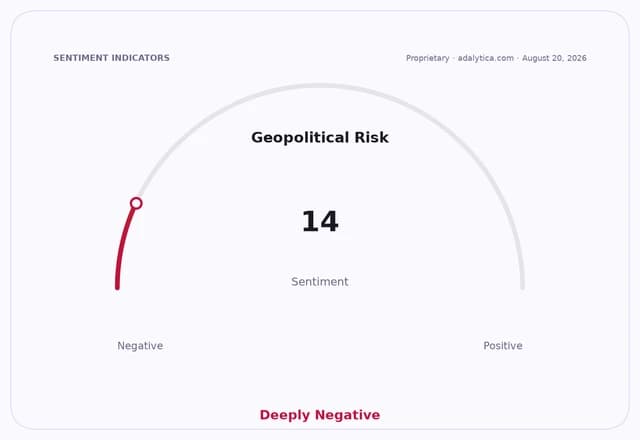
The rally is also a reminder that gas prices in Europe are still being set by a narrow set of global variables rather than by local demand alone. Weather patterns have lifted cooling demand, oil’s strength has reinforced the broader energy bid, and any escalation in the Middle East raises the risk of disruption to LNG flows and shipping routes. That combination is particularly important for Europe, where storage has improved but does not eliminate winter and geopolitical risk.
For investors, the implication is two-sided. Upstream producers and LNG exporters stand to benefit from firmer regional pricing, while European industrial users, chemicals makers and power generators face margin pressure if elevated gas costs persist. The sensitivity is especially acute in a market where TTF has repeatedly shown the ability to spike violently on supply scares, with this year’s price swings underscoring how quickly sentiment can turn.
The broader energy backdrop is still supportive of volatility. U.S. crude benchmark prices are near $87 a barrel, keeping the complex firm and limiting the chances of relief from cheaper oil-linked energy inputs. In that environment, policymakers are under pressure to keep fuel costs contained, and the White House is signaling that maintaining low gasoline prices remains a priority as it weighs options to boost refinery output.
For Europe, the immediate question is whether today’s rise is a weather-driven burst or the start of a more durable repricing tied to geopolitics and supply expectations. If the market remains near current levels into the late summer replenishment period, traders may start to price a less comfortable winter outlook, particularly if any disruption in LNG availability or further escalation around Iran hits flows.
| Entity | Gains | Losses |
|---|---|---|
| LNG exporters | ▲Higher realized prices | ▼Greater volatility risk |
| European utilities | ▲Potential hedging gains | ▼Higher procurement costs |
| Industrial gas users | ▲— | ▼Margin pressure |
| Oil producers | ▲Stronger energy complex | ▼— |