European natural gas prices top 81 euros
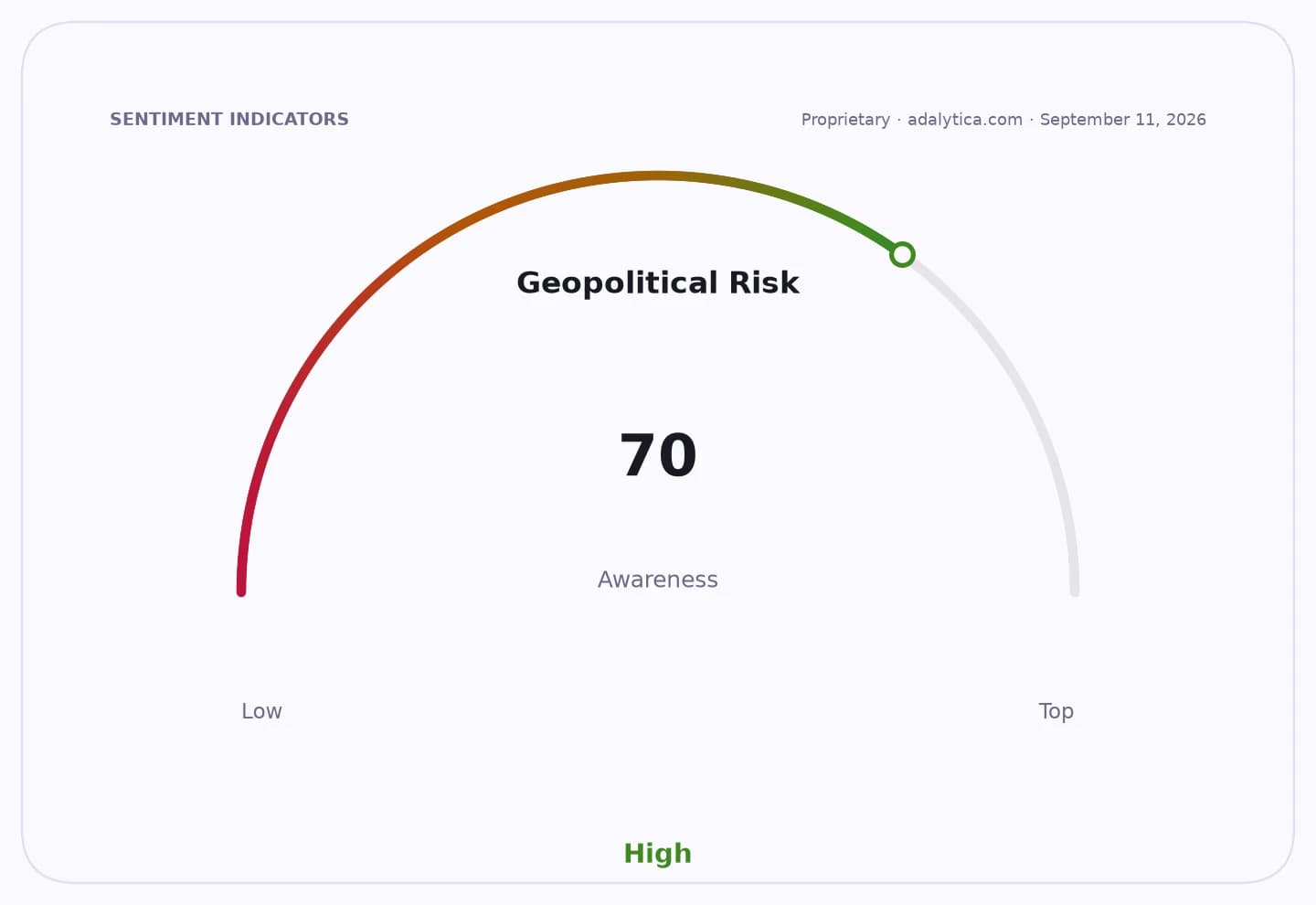
European natural gas prices have climbed back above 81 euros per megawatt hour, underscoring how quickly geopolitical shocks can reprice the continent’s most exposed energy market as winter approaches.
The move matters because Europe is entering the heating season with storage still seen as uncomfortably thin, leaving the region more vulnerable than usual to any disruption in LNG flows, pipeline deliveries or shipping routes linked to fresh conflict in the Middle East. For utilities, industrial users and households, that raises the risk of another squeeze on energy costs just as economies are trying to absorb still-elevated inflation and weaker growth.
The benchmark Dutch TTF contract, which sets the tone for the continent’s gas market, is now at levels that are close to four-year highs. That is not just a headline price move: it feeds directly into power costs, fertiliser production, chemicals, metals and broader factory activity. Europe’s gas-intensive industries have already spent several years adjusting to the post-2022 energy shock, and another jump risks reviving pressure on margins, output and employment in energy-heavy sectors.
The latest rally also shows how fragile sentiment remains. Adalytica’s Global Stability Sentiment gauge dropped to 30, in “Fear,” while its natural gas market signal was also neutral but deteriorating, reflecting heightened concern rather than confidence in supply stability. At the same time, US liquefied natural gas producer Cheniere Energy and the United States Natural Gas Fund have both seen recent price strength, suggesting investors are again positioning for tighter global gas balances and firmer LNG-linked pricing.
For investors, the implications are two-sided. Energy producers and LNG exporters may benefit if European and Asian buyers bid aggressively for cargoes through winter. Goldman Sachs has already turned more constructive on energy stocks in that environment. But import-dependent European utilities, industrial users and gas-sensitive equities face the opposite: higher input costs, compressed earnings and renewed pressure on already thin margins if prices stay elevated.
The deeper narrative is that Europe has not escaped the structural vulnerability exposed in 2022. Even after years of diversification away from Russian pipeline gas, the market remains hostage to global LNG competition and geopolitical risk premiums. If the Middle East flare-up persists or winter proves colder than expected, gas prices could stay volatile well into 2026, keeping inflation sticky and the region’s energy bill elevated.
| Entity | Gains | Losses |
|---|---|---|
| LNG exporters | ▲Higher cargo prices | ▼More competition for supply |
| European utilities | ▲Relative pricing power | ▼Higher procurement costs |
| Energy stocks | ▲Stronger earnings outlook | ▼Policy and demand risk |
| European industry | ▲None | ▼Margin pressure, output risk |