Europe’s natural gas prices have surged to their highest level in three years, tightening pressure on inflation, household energy bills and central banks just as traders brace for another ECB rate hike.
European natural gas prices hit three-year high

Benchmark gas at the Amsterdam hub jumped 3.3% to 78.40 euros per megawatt hour, the highest since January 2023, as conflict risks in the Middle East and thin storage levels heading into winter revived fears of supply disruption. The move comes alongside firmer oil prices near $99 a barrel, reinforcing concerns that energy markets could reaccelerate inflation across the region.
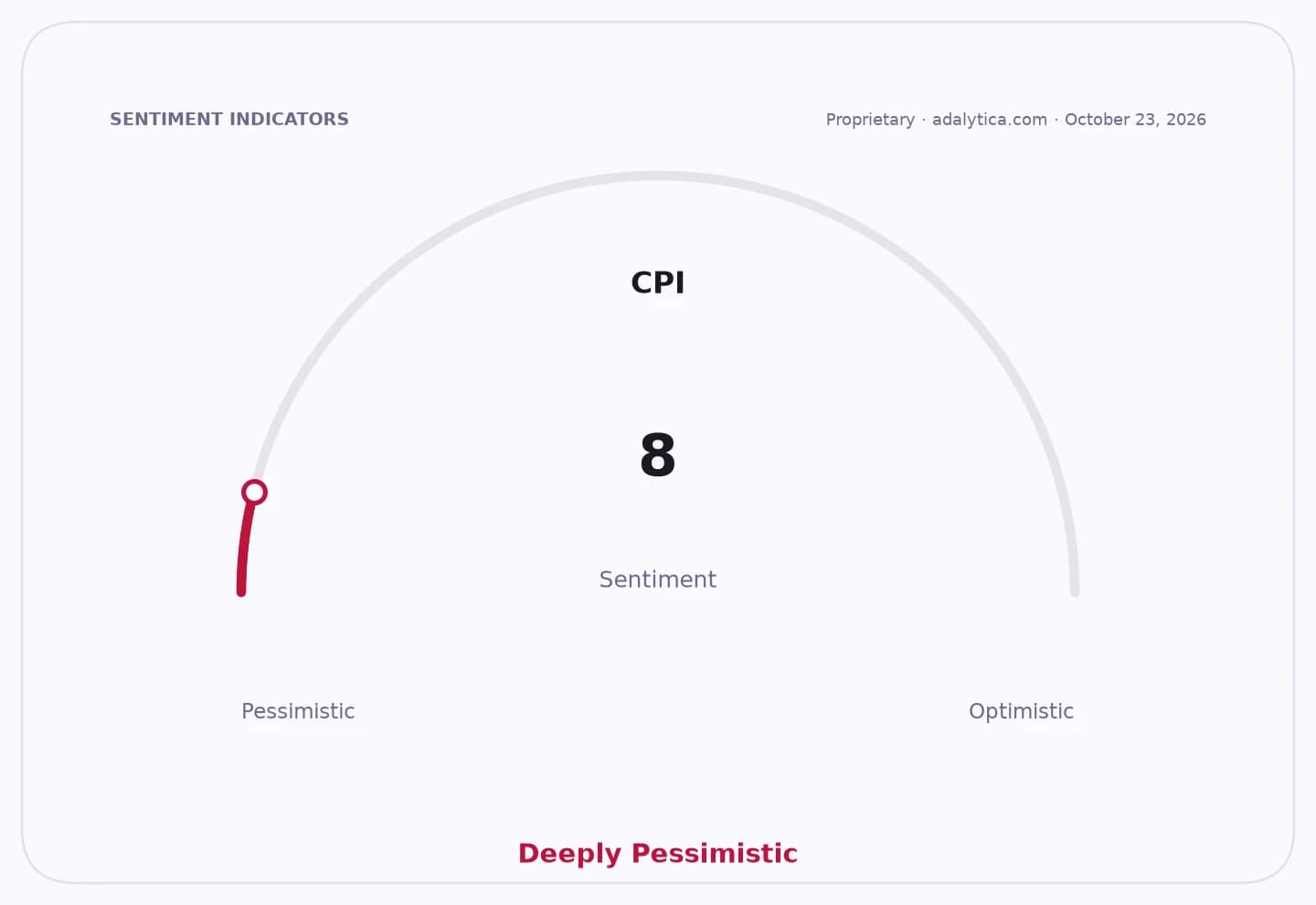
Sentiment IndicatorsⓘProprietary · adalytica.com · September 10, 2026
This is a snapshot — live sentiment, awareness and momentum for 130+ markets update continuously in the dashboard.Open AlphaPulse
That matters for investors because energy costs feed directly into Europe’s inflation outlook and complicate the European Central Bank’s policy path. Markets are already pricing nearly a quarter-point ECB increase to 2.5% on Thursday, while economists are debating whether persistently expensive gas and crude could keep rates elevated for longer.
The rally is also hitting European equities unevenly. Energy stocks in Milan outperformed early trading, with Eni, Hera, Snam and Italgas higher, while banks fell ahead of the Intesa Sanpaolo meeting that will approve capital measures tied to the MPS takeover offer. The broader message is that higher utility and fuel costs are strengthening winners in the energy complex while weighing on rate-sensitive sectors and growth-linked stocks.
Bond markets are flashing the same warning. The German 10-year yield is at 3.38%, Italian 10-year paper yields 4.17%, and the US 10-year Treasury is around 4.79%, levels that leave little room for an energy-driven inflation surprise.
With the ECB meeting one day away and US inflation data due next, traders will be watching whether the latest gas spike proves temporary or becomes another reason for central banks to keep policy tight.
| Entity | Gains | Losses |
|---|---|---|
| European energy producers | ▲Higher commodity prices | ▼More volatility risk |
| Utilities and gas network firms | ▲Stronger pricing backdrop | ▼Winter supply stress |
| Consumers and industry | ▲— | ▼Higher heating and input costs |
| Rate-sensitive European stocks | ▲— | ▼Tighter-for-longer policy fears |