European stocks fall on oil, inflation and rate bets

European stocks ended the week lower as rising oil prices, sticky inflation fears and renewed bets on higher U.S. interest rates kept investors on the defensive, even after Volkswagen’s rally helped lift the region’s carmakers.
The Stoxx 600 rose 0.1% on Friday to 649.88, but still finished the week down 0.8% after a volatile stretch dominated by geopolitical risk in the Middle East and the knock-on effect on energy costs. That matters because higher crude prices feed directly into Europe’s inflation outlook, squeeze consumers’ real incomes and complicate the European Central Bank’s task of easing financial conditions without reigniting price pressure.
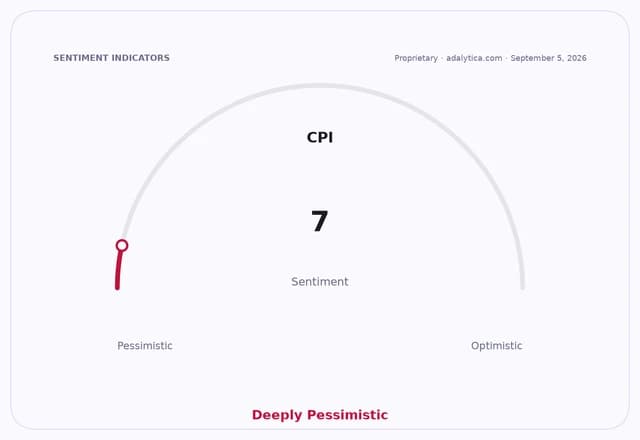
Oil’s surge after renewed U.S. strikes on Iran was the immediate macro driver, with Brent and U.S. crude both moving back above levels that are uncomfortable for policymakers and growth-sensitive equities. The move pushed inflation worries back to the fore just as strong U.S. payrolls data reinforced expectations that the Federal Reserve will keep policy tighter for longer. For Europe, that combination is toxic: slower growth, higher energy bills and less room for central banks to pivot.
The bond market has been sending the same message. U.S. Treasury yields climbed sharply, reflecting the market’s view that the inflation impulse from energy may be more durable than many had hoped. In Europe, that raises the risk that the ECB remains under pressure to keep rates elevated even as the bloc’s economy already struggles with weak industrial activity and fragile consumer demand.
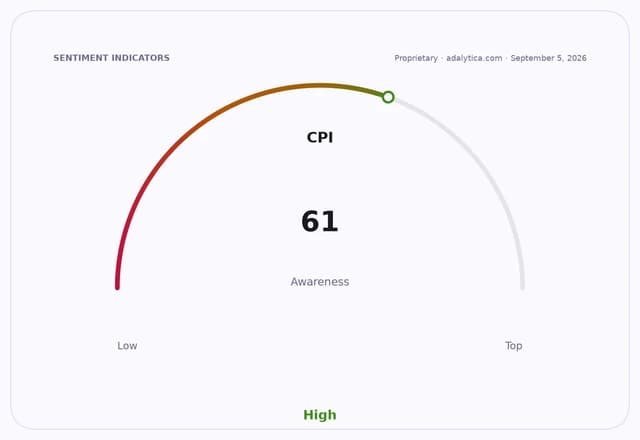
Friday’s late bounce in European equities came partly from a pullback in oil and partly from company-specific support. Volkswagen jumped 5.9% to a two-month high after its supervisory board backed a major turnaround plan, easing fears of an escalating clash with unions and Lower Saxony, its influential shareholder. The stock’s move helped lift Europe’s auto sector 1.1%, but the broader read-through was still cautious: Volkswagen remains down 22% this year, a reminder that cost cuts may support margins, but they also reflect how much pressure manufacturers face from tariffs, China’s competition and sluggish demand at home.
For investors, the key issue is whether the market is repricing from a brief geopolitics-driven selloff into a more persistent inflation-and-rates story. If oil stays elevated and the U.S. economy keeps surprising on the upside, cyclical European equities, rate-sensitive sectors and highly leveraged balance sheets look vulnerable. By contrast, energy producers and some defensive names may keep outperforming as capital rotates toward companies with pricing power and stronger cash generation.
The immediate test comes next week with U.S. consumer inflation data and the ECB meeting, where a 25-basis-point rate increase is widely expected. If energy prices remain firm, the case for another ECB hike in December also strengthens, leaving European stocks exposed to a policy backdrop that is still more restrictive than markets had hoped only a few weeks ago.
| Entity | Gains | Losses |
|---|---|---|
| Oil producers | ▲Higher selling prices | ▼Demand-sensitive sectors |
| Volkswagen | ▲Relief on turnaround plan | ▼Labor cost pressure |
| ECB / central banks | ▲Stronger case to stay vigilant | ▼Rate-cut hopes |
| European consumers | ▲— | ▼Higher fuel and inflation costs |