Eurozone inflation rises to 3.8% in August
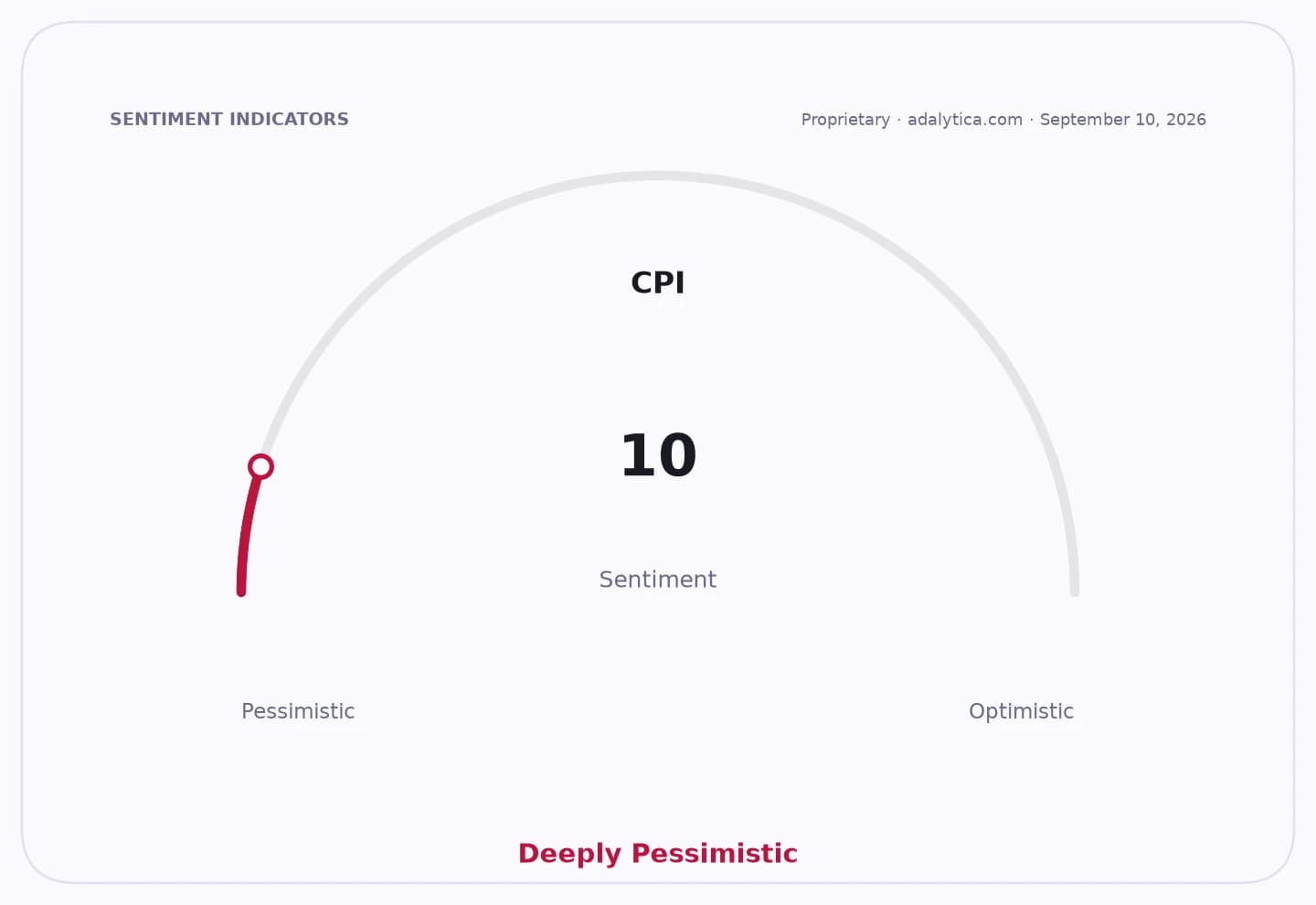
Eurozone inflation accelerated to 3.8% in August, and that matters because the price shock is now broad enough to squeeze household spending, keep the European Central Bank on alert and pressure companies that rely on consumers still stretching every euro.
The biggest driver was the everyday cost basket investors care about most: housing, transport and dining out. Together they added 3.3 percentage points to the annual rate, showing this is no longer just an energy story. Housing inflation climbed to 9.7%, transport to 7.7% and restaurants and hotels to 6%, while prices rose 0.4% month on month.
Energy is still doing the heaviest lifting. Heating oil jumped 53.2%, natural gas 40.2%, diesel 30.6% and gasoline 15.3%. That is a direct hit to disposable income and, eventually, to margins for consumer-facing businesses. Rent rose 6.2%, beef climbed 13.5% and coffee shops and hotels also posted solid gains, underlining how inflation is spreading through travel, food and services rather than fading into the background.
For investors, the implication is straightforward: sticky inflation usually means interest rates stay higher for longer. That can support banks for a while, but it raises the discount rate on stocks and keeps pressure on rate-sensitive sectors such as real estate, utilities and consumer discretionary names. In a higher-cost environment, companies with pricing power, strong free cash flow and efficient supply chains tend to outperform.
There are already signs of where the pressure may show up. Energy-linked assets are benefiting from the latest oil run, while consumer staples and restaurant chains have to keep passing on costs without losing demand. That is why inflation reports are never just macro headlines; they are earnings previews for the next several quarters.
The long-term lesson for investors is to stay diversified and avoid making one-month inflation data into a permanent thesis. But when energy, housing and food all move at once, it usually takes time for the pressure to ease. That makes this a trend worth watching closely, especially for anyone building a portfolio designed to compound over years, not weeks.
| Entity | Gains | Losses |
|---|---|---|
| Energy producers | ▲Higher revenue potential | ▼Policy and demand risks |
| Consumers | ▲None; some wages lag | ▼Lower purchasing power |
| Rate-sensitive stocks | ▲Short-lived disinflation relief fades | ▼Higher discount rates |
| Pricing-power companies | ▲Ability to pass through costs | ▼Margin pressure if demand weakens |