Eurozone inflation may top 10% in December

Eurozone inflation may not have peaked yet, and that matters because the European Central Bank is being forced to choose between crushing prices and cushioning an economy that is already slowing.
Bundesbank President Joachim Nagel said inflation in the euro area could top 10% in December, a stark warning from Germany that reinforces the case for more ECB rate hikes. He also said inflation should still be above 6% next year, underscoring how persistent the price shock may be even if energy costs eventually ease.

For investors, that is the key takeaway: higher-for-longer inflation usually means higher-for-longer interest rates, and that changes everything from bond valuations to stock-market leadership. When central banks stay aggressive, borrowing costs rise for households and companies, mortgage demand weakens, and profits in rate-sensitive sectors can come under pressure. At the same time, the euro tends to struggle when the market sees the ECB as having less room to pause than the Federal Reserve.
The warning comes after eurozone consumer prices rose 9.1% in August, already a record for the currency bloc. If Nagel is right, the worst inflation print could still be ahead, with December potentially marking the high-water point. That would leave policymakers with little choice but to keep tightening even as growth slows and recession risks build.
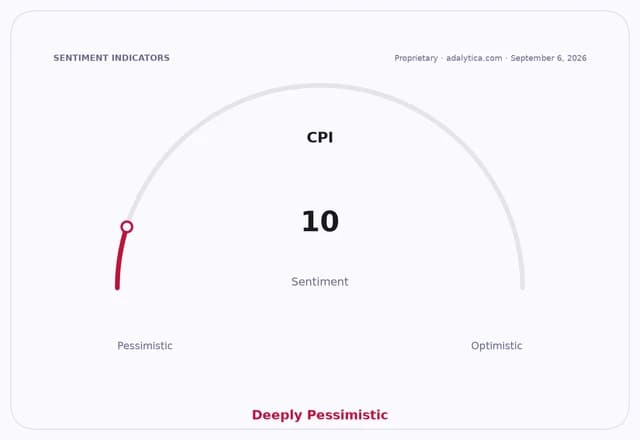
That’s why the story matters beyond the next ECB meeting. For long-term investors, persistent inflation is a reminder to favor businesses with pricing power, strong balance sheets and durable cash flow. Energy producers, some industrial firms and companies tied to essential goods may hold up better than interest-rate-sensitive names if the ECB keeps pressing ahead.
The longer this inflation surge lasts, the more it reshapes returns across Europe. Bond investors face more volatility, equity investors should expect continued pressure on valuation multiples, and currency traders may keep betting against the euro if the region’s growth outlook darkens. For patient investors, the opportunity is not to time every ECB move, but to build portfolios resilient enough to handle a prolonged period of tighter money.
| Entity | Gains | Losses |
|---|---|---|
| ECB hawks | ▲More justification for hikes | ▼None in the near term |
| Bond investors | ▲Higher yields over time | ▼Lower prices now |
| Pricing-power companies | ▲Better ability to pass through costs | ▼Margin pressure eases less |
| Eurozone consumers | ▲— | ▼Real incomes and spending power |