EWY Falls to 143.21 as Won Slips to 1,431.22
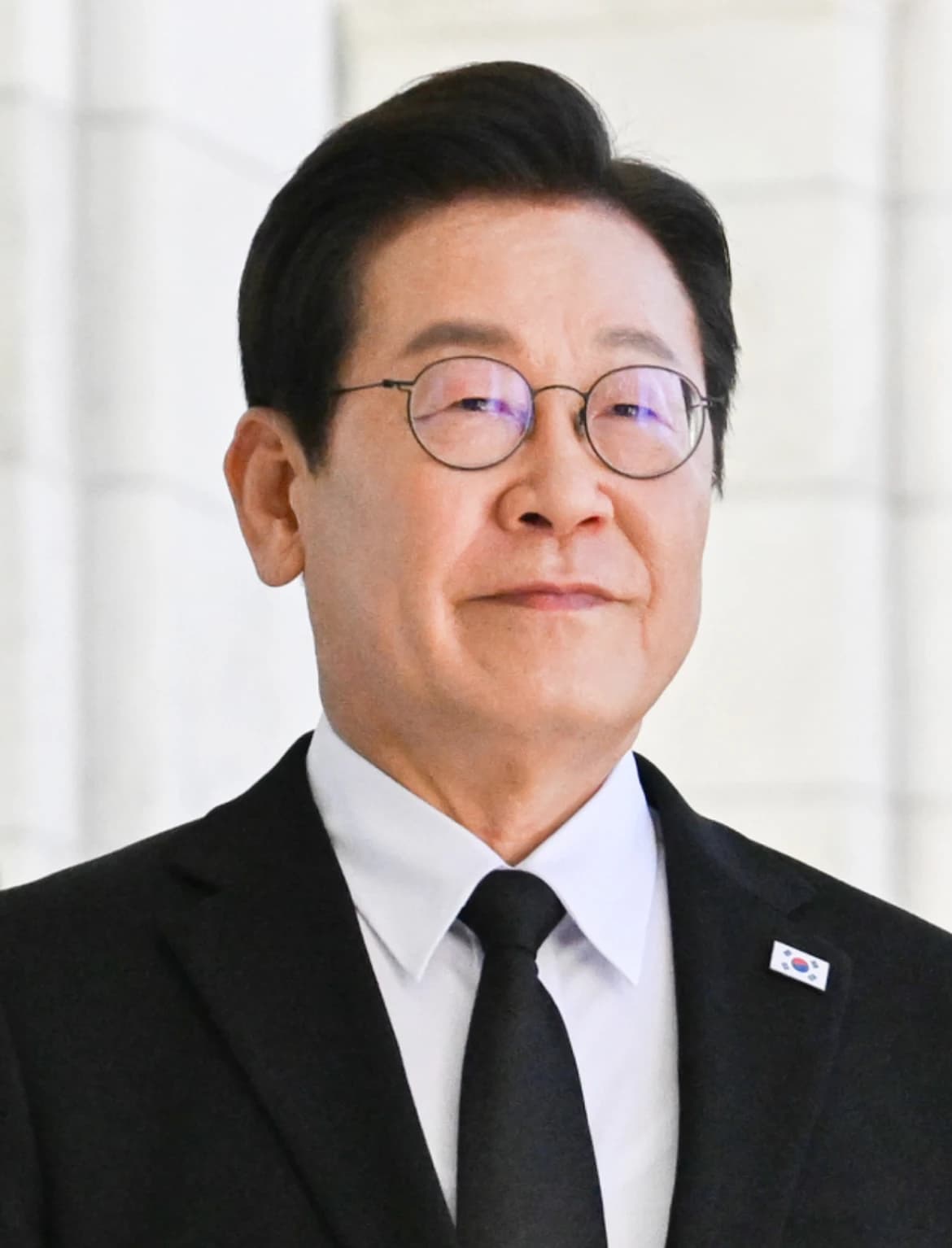
President Lee Jae-myung’s return to Seoul after a 7-night, 11-day tour of five countries lands as South Korea’s market backdrop turns sharply more fragile, with the MSCI South Korea ETF, EWY, still trading well below its July highs and the won under pressure near 1,431 per dollar. For investors, the bigger issue is not the optics of the trip itself but whether Lee can stabilize sentiment at home after a stock-market selloff and a drop in approval to 45.9%, the lowest since he took office.
The trip was meant to project diplomatic reach, with Lee meeting Nvidia chief executive Jensen Huang and other US technology executives during his first visit to Washington in an effort to deepen ties with global AI leaders. That matters economically because South Korea’s equity market is heavily exposed to semiconductors, memory chips and export demand, leaving policy signals on trade, technology access and capital flows closely tied to earnings expectations.

EWY’s recent price action shows how quickly that optimism has been hit. After surging to 211.45 on June 15, the ETF fell to 143.21 on Aug. 3, leaving it more than 30% below that peak and still below its 50-day moving average of 1507.58 on the underlying won pair’s equivalent trend context, while the relative strength index has dropped to 23.8, a level that typically indicates oversold conditions. The technical picture suggests investors have been cutting exposure rather than positioning for a near-term rebound.
The won has also weakened from 1,420.6 per dollar on July 31 to 1,431.22 on Aug. 3, underscoring caution around South Korea assets even as global stability sentiment remains elevated. That combination matters because a softer currency can support exporters but also raises the cost of imported goods and can complicate policy if domestic confidence is already under strain.
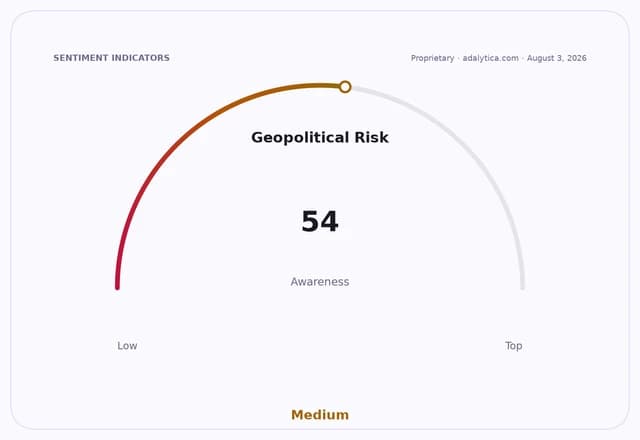
Lee’s approval slide adds a political layer to the market move. The seed headline’s reference to a constitutional amendment fight points to the kind of domestic friction that can distract from economic management, especially when the administration is trying to court foreign investors and technology groups at the same time. For markets, the key question is whether the government can translate overseas outreach into policy certainty at home.
Investors will now look for any follow-up on the administration’s stance toward big tech, semiconductor investment and market-support measures, while watching whether the won stabilizes and EWY can reclaim its 50-day trend. If political noise eases and tech ties deepen, South Korean equities could recover some of the recent damage; if not, foreign buyers may keep demanding a risk discount.
| Entity | Gains | Losses |
|---|---|---|
| Foreign tech investors | ▲Policy access in Korea | ▼Less certainty from Seoul politics |
| Korean exporters | ▲Weaker won support | ▼Imported-cost pressure |
| EWY bulls | ▲Oversold rebound potential | ▼Recent drawdown and weak momentum |
| Lee administration | ▲Diplomatic visibility | ▼Approval rating and market confidence |