Exxon Mobil, Chevron face Trump fuel-price pressure
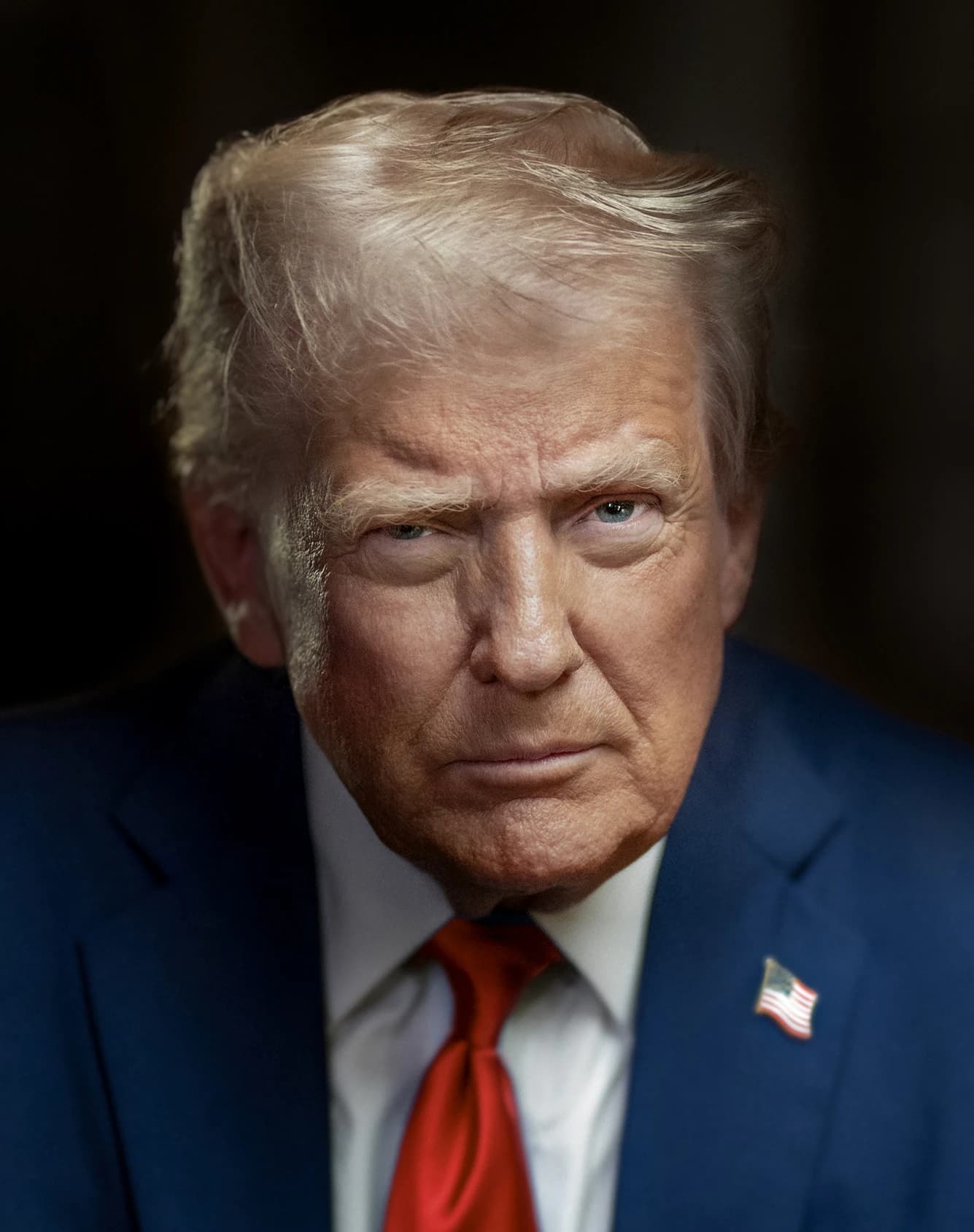
Trump’s complaint that Exxon Mobil and Chevron are making “too much money” and should deliver cheaper fuel puts the White House squarely back in the middle of the oil market at a moment when energy prices are already volatile and politically sensitive.
That matters because gasoline and diesel remain among the fastest ways for oil to filter into inflation, consumer spending and the 2026 election-year mood. When a president starts openly pressuring the largest U.S. producers, the message is not just rhetorical: it raises the odds of louder scrutiny on pricing, exports, drilling discipline and refining margins just as crude markets are being buffeted by Middle East tensions and shifting supply expectations.
Investors should read this as a warning that policy risk around Big Oil is rising even after a strong run in the shares. Exxon has climbed to about $151.63 from $113.15 in mid-December, while Chevron has risen to roughly $186.41 from $144.01 over the same period. Both stocks are still above their 200-day moving averages, but the recent pullback shows how quickly sentiment can cool once political pressure replaces the market’s comfort trade on tight supply. Exxon’s relative strength has eased to 61.8 from above 80 earlier in the year, and Chevron’s RSI has come down to 53.4 from overbought levels near 89. That is not a collapse — it is a reminder that much of the easy money may already be in the rearview mirror.
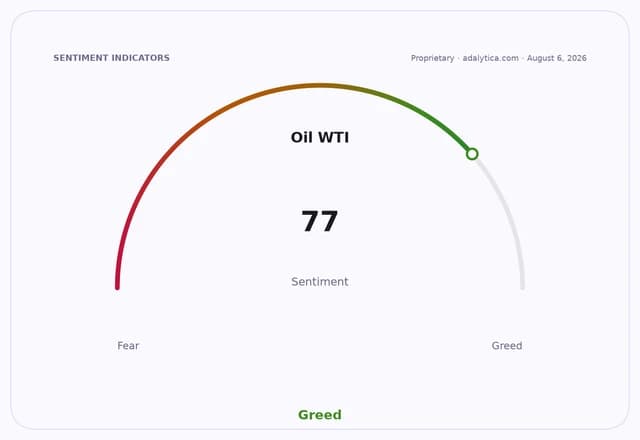
The broader setup is still constructive for the sector. Oil remains volatile, with WTI swinging sharply and Adalytica’s proprietary oil trade signals showing greed at 77, up 76 points over seven days. That usually supports cash flow for integrated producers and refiners. Exxon’s latest filing said refining margins were sharply above the 10-year historical range, and peer filings from Marathon Petroleum and Phillips 66 show the downstream complex is still generating strong margin capture. In other words, the industry is earning well enough to draw political attention.
But the market underestimates the second-order effect: when Washington pushes for cheaper fuel, it can compress the multiple on the whole energy group even if earnings stay strong. Exxon and Chevron are not just oil companies; they are toll roads on global hydrocarbons, and toll-road businesses rarely get richer when politicians start talking about their profits. The risk is not immediate expropriation. It is the accumulation of softer but real pressures — tougher rhetoric on share buybacks, more aggressive antitrust and trade talk, and more public anger over pump prices whenever crude spikes.
That is why the best opportunity may not be chasing the majors higher from here. The asymmetric trade is in the picks-and-shovels: pipeline operators, oilfield service names tied to long-cycle capex, and refiners with scale and domestic feedstock advantages. Those businesses can benefit from continued energy demand and geopolitical volatility without carrying as much direct political heat as the supermajors.
If Trump keeps leaning on Exxon and Chevron while oil stays unstable, the next move is likely not lower energy volatility — it is higher policy dispersion. That creates a clearer path for investors to favor the parts of the energy stack that collect fees, build infrastructure and profit from volume rather than headline risk. In a market already in extreme greed for the S&P 500, that kind of diversification is not defensive; it is how you position for the next leg of the cycle.
| Entity | Gains | Losses |
|---|---|---|
| U.S. consumers | ▲Pressure for cheaper fuel | ▼Less upside from high oil prices |
| Exxon Mobil and Chevron | ▲Political leverage as national champions | ▼Margin and valuation scrutiny |
| Oilfield services and pipelines | ▲More infrastructure demand | ▼Less direct benefit from price caps |
| Refiners | ▲Strong crack spreads and volume | ▼More policy and public pressure |