Exxon Mobil Faces Equatorial Guinea Oil Field Control
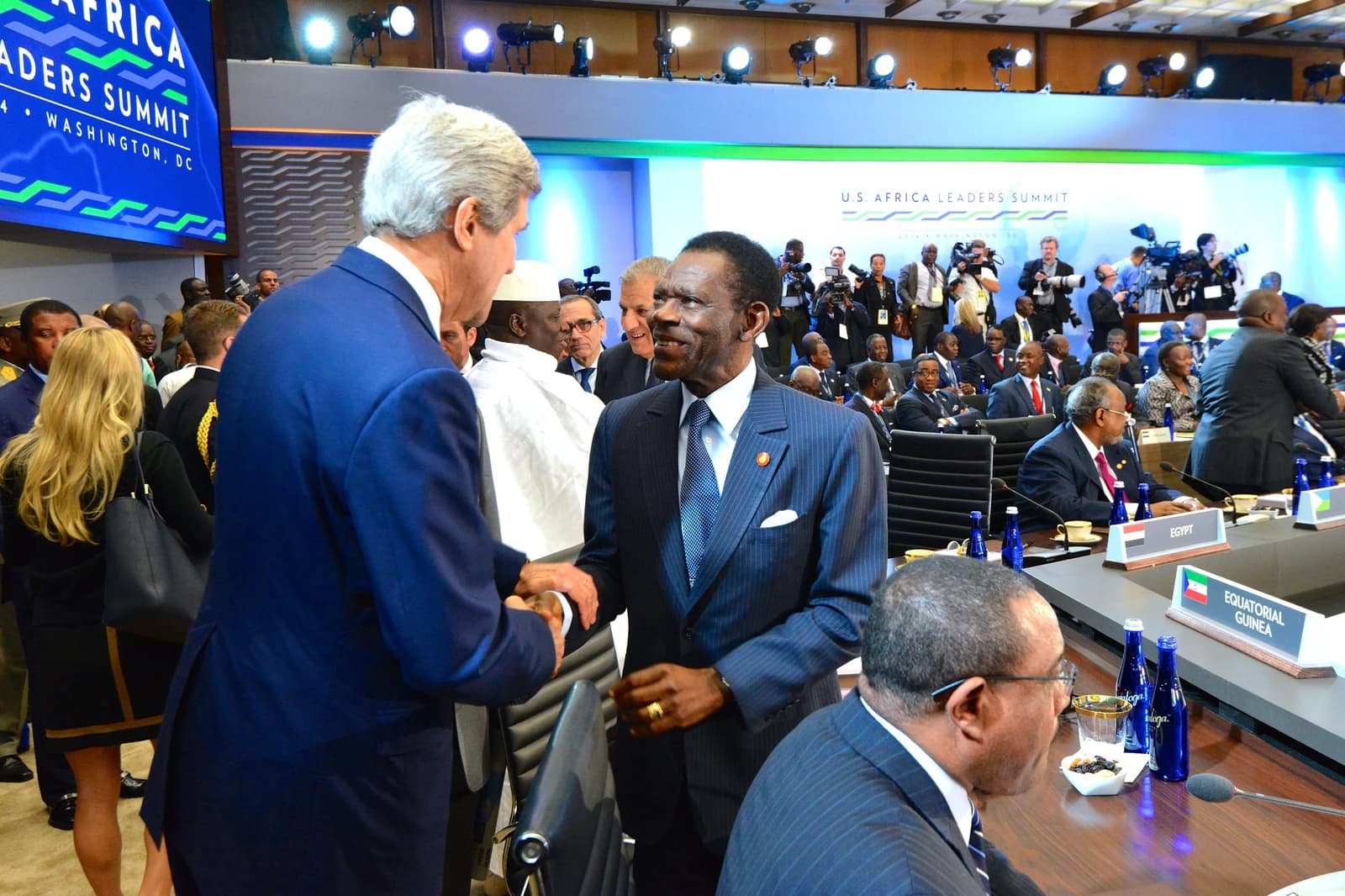
Equatorial Guinea’s move to take control of Exxon Mobil’s oil field underscores a growing political risk premium in global energy, and it arrives just as investors are being forced to rethink who really owns the barrels that matter.
For Exxon, the transfer is more than an isolated asset dispute. It highlights a broader reversal across parts of the oil world, where host governments are becoming more willing to reassert control over mature fields, renegotiate terms or force exits when they believe the strategic value of reserves outweighs the cost of a break with foreign operators. That matters economically because it can interrupt production, reshape fiscal take, and reduce the visibility that international majors rely on to plan capital spending and dividends.
The timing is notable. Exxon shares have outperformed this year, with the stock recently trading around $160.95, well above its 50-day moving average of $149.87 and 200-day average of $141.93, reflecting investor confidence in the company’s cash generation and upstream exposure. But the stock’s strong run also means the market is paying up for stable, long-duration output. Asset seizures or forced transfers cut directly against that narrative by raising the risk that barrels once considered secure may become political bargaining chips.
The wider message for the energy market is that supply security is getting more fragile, not less. The oil sector is already contending with geopolitical disruption in the Middle East, where transport routes such as the Strait of Hormuz remain under pressure. A covert U.S. effort to keep oil moving through the chokepoint is another reminder that physical supply chains remain vulnerable and that reserve ownership is only one part of the equation. Control of fields, export routes and processing capacity is becoming just as important as geology.
That creates both winners and losers. National oil companies and resource-rich governments gain leverage, potentially capturing more cash flow and strategic control. International operators lose contractual certainty, but they may also be forced to focus capital on the most stable, highest-return jurisdictions. For investors, the implication is clear: the safest way to play the next phase of the oil cycle may not be the producers most exposed to headline reserve replacement, but the companies that own the infrastructure, services and logistics that keep barrels moving.
Chevron and Shell will be watching closely as well, because the precedent reaches beyond Exxon. Chevron has already been reshaping its portfolio through divestments, while Shell’s global footprint leaves it exposed to the same sovereign-prerogative risk in parts of Africa, Latin America and Asia. In a market that still rewards scale, the next advantage may belong to firms with the strongest balance sheets, the lowest political exposure and the flexibility to walk away from risky barrels rather than fight for them.
The investment takeaway is straightforward: this is a reminder to own the oil complex with selectivity. The market may still be pricing the majors as if all reserves are equally durable, but sovereign control risk is rising, and that makes asset quality, jurisdiction and infrastructure exposure the real source of alpha.
| Entity | Gains | Losses |
|---|---|---|
| Equatorial Guinea | ▲More control of barrels | ▼Less dependence on Exxon |
| Exxon Mobil | ▲Asset-lighting opportunity | ▼Lost field control |
| Chevron | ▲Stronger case for stable assets | ▼Higher sovereign risk awareness |
| Shell | ▲Infrastructure-heavy diversification | ▼Exposure to expropriation risk |