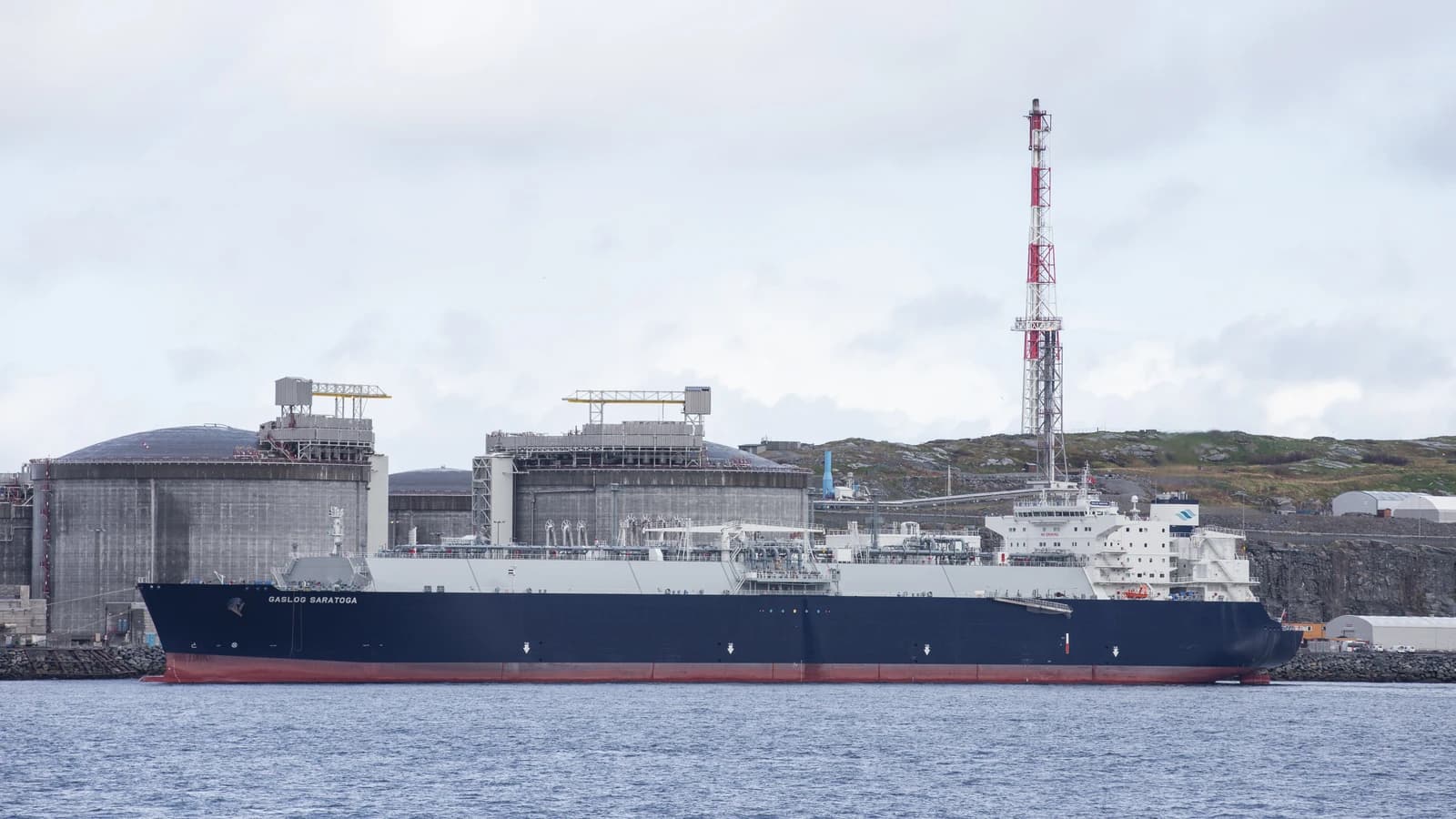
Exxon Mobil says its next wave of liquefied natural gas projects will give it more geographic balance, but the company is still leaning into the Middle East as global gas demand rises and supply chains remain tight.
Exxon Mobil LNG plans in Middle East, Mozambique
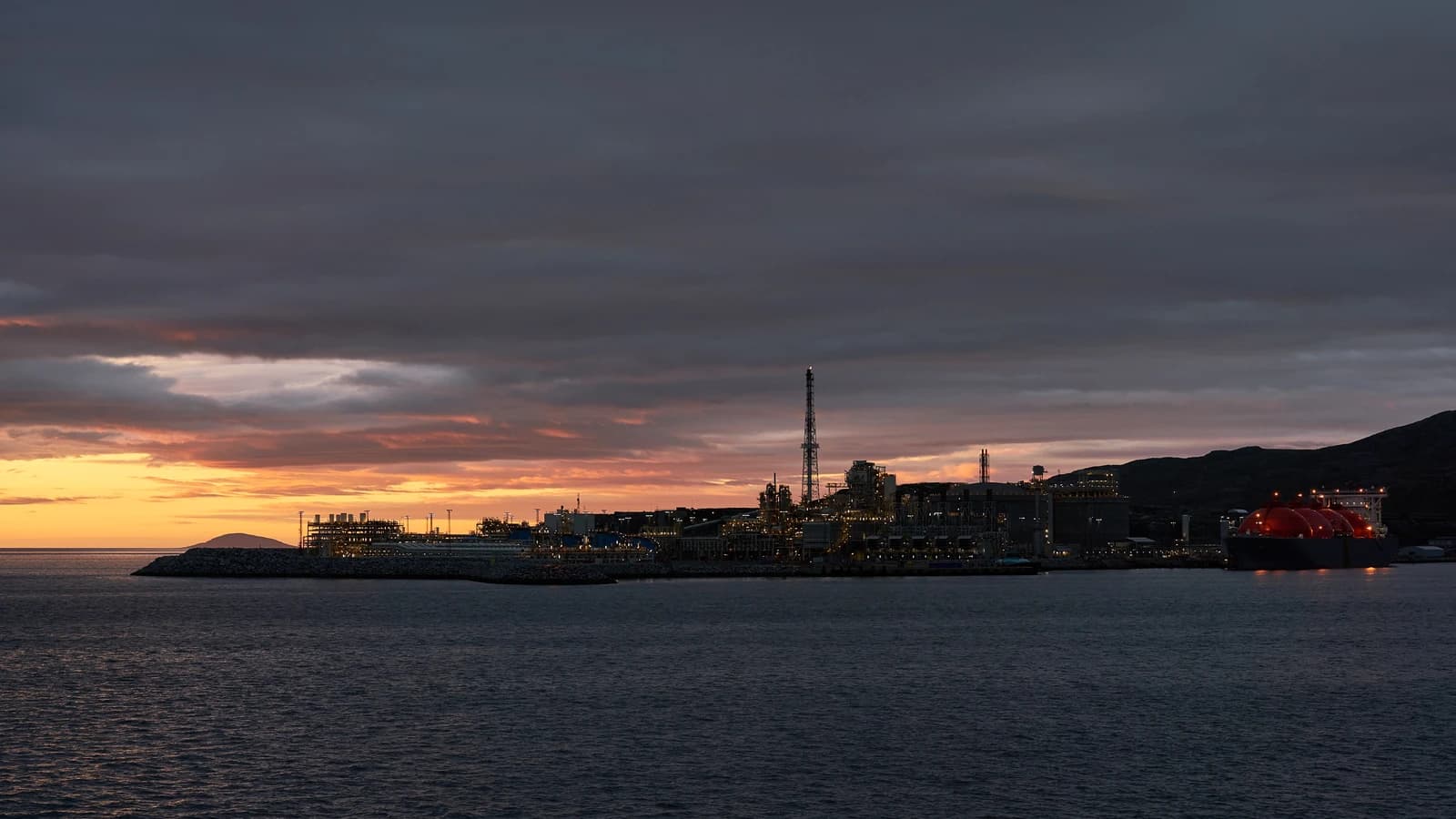
That matters because LNG is becoming a bigger profit engine for majors like Exxon, and where those projects are built will shape exposure to geopolitics, shipping chokepoints and long-term contract opportunities. For investors, the message is that Exxon is trying to widen its LNG footprint without abandoning one of the world’s most important gas basins.
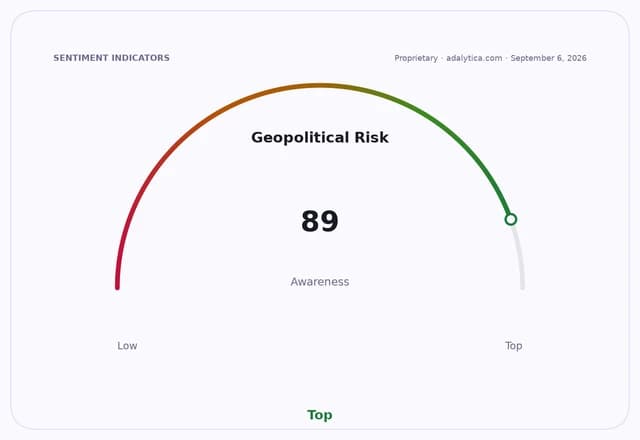
Chief Executive Darren Woods said the company “won’t shy away” from the Middle East, even as Exxon pushes ahead with projects in Mozambique and Papua New Guinea. Exxon hopes to make a final investment decision on Mozambique LNG later this year and expects to sanction its Papua New Guinea LNG project in the same period.
The comments underscore how majors are using LNG to diversify portfolios beyond crude, while still chasing growth in regions that can deliver large-scale gas supply. The Middle East remains central to that strategy, even as political risk and project delays elsewhere make diversified sourcing more valuable.
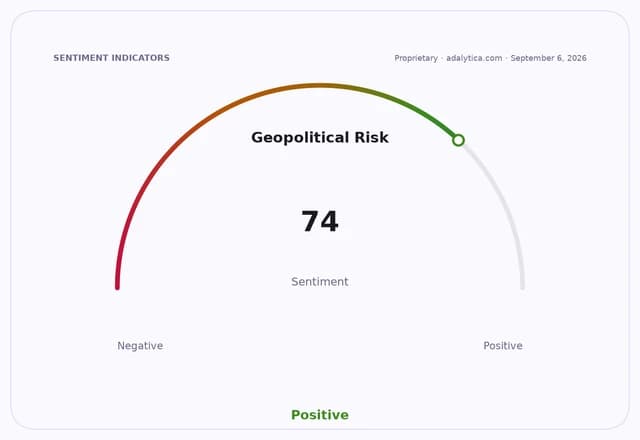
The timing also comes as global LNG markets stay under strain. Pakistan is seeking new cargoes as it faces an energy crunch, while tensions around the Strait of Hormuz and lower gas inventories in Europe are keeping competition for supply elevated. That backdrop supports long-term LNG investment, but it also increases the premium on projects with reliable transport routes and stable governments.
Exxon shares have been trading well above the 50-day and 200-day moving averages, and the stock closed at $159.47 on Sept. 4, though its RSI has eased from overbought levels in recent sessions. For investors, the key question is whether Exxon can turn its LNG pipeline into sanctioned projects fast enough to capture demand without taking on too much geopolitical execution risk.
The next catalyst is Exxon’s spending decision on Mozambique and Papua New Guinea, along with any further sign the company is expanding LNG opportunities in the Middle East.
| Entity | Gains | Losses |
|---|---|---|
| Exxon Mobil | ▲More LNG exposure | ▼Concentration risk eases |
| Middle East gas suppliers | ▲Long-term project interest | ▼Less exclusive demand |
| LNG buyers | ▲More diversified supply options | ▼Higher competition for cargoes |
| Competing majors | ▲Validation for LNG growth | ▼Less first-mover advantage |