Exxon Mobil Talks to Re-enter Venezuela's Orinoco Belt
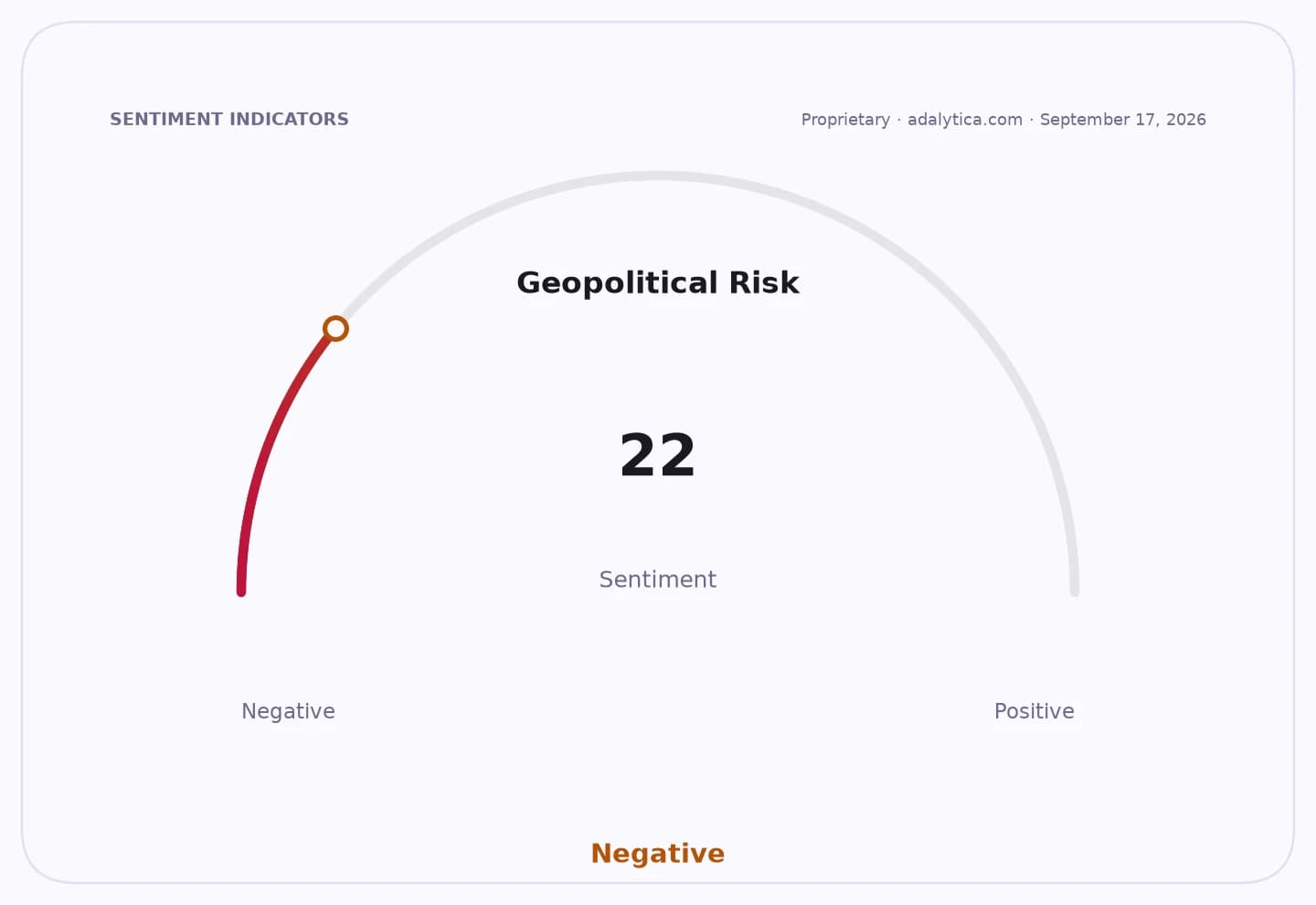
Exxon Mobil’s advancing talks to re-enter Venezuela’s Orinoco Belt could turn one of the world’s most politically fraught oil basins back into a material source of supply, and that matters now because crude is already trading in a tighter, more geopolitically sensitive market.
The strategic significance is bigger than a single company deal. A return by Exxon would deepen the quiet reopening of Venezuela’s oil sector to U.S. majors after years of sanctions, underinvestment and collapse. That is important for global supply at a time when Brent-linked prices are sensitive to any disruption in sanctioned barrels, OPEC+ discipline and elevated demand from a still-growing world economy. Oil prices around $108 a barrel in the latest context show how much risk premium remains in the market, while the U.S. 10-year yield near 5% and high-yield credit spreads around 2.7% signal a capital market backdrop that still rewards hard assets with cash flow and geopolitical leverage.
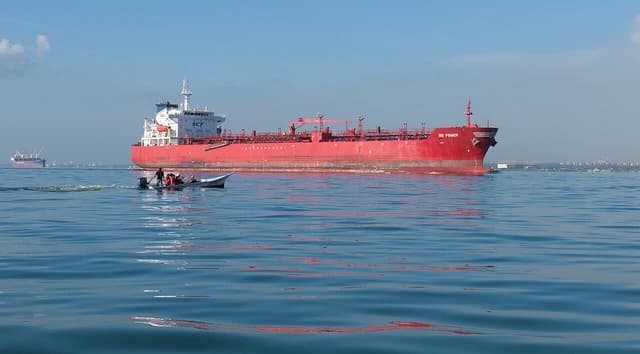
For investors, the story is not just about whether Exxon can pump more crude. It is about where the next barrels of optionality come from. Venezuela’s Orinoco Belt contains some of the heaviest, most technically challenging oil in the world, but also some of the largest undeveloped resources outside the Middle East. If U.S. companies can secure clearer access, they gain exposure to long-life reserves at a moment when the market is increasingly paying up for supply security. That could support upstream earnings, improve reserve replacement and reinforce the case for integrated majors as a hedge against geopolitical volatility.
Chevron has already moved first, agreeing to expand operations in Venezuela and doubling drilling rigs as policy allows. Exxon’s talks suggest the competitive race for sanctioned or formerly stranded oil is widening. The economic logic is straightforward: Venezuela needs capital, technology and operational discipline to revive output; the majors need reserves and leverage. The friction is legal and political. Any deal still depends on sanctions clarity, contract enforceability and the degree to which Caracas is willing to share control with foreign operators.
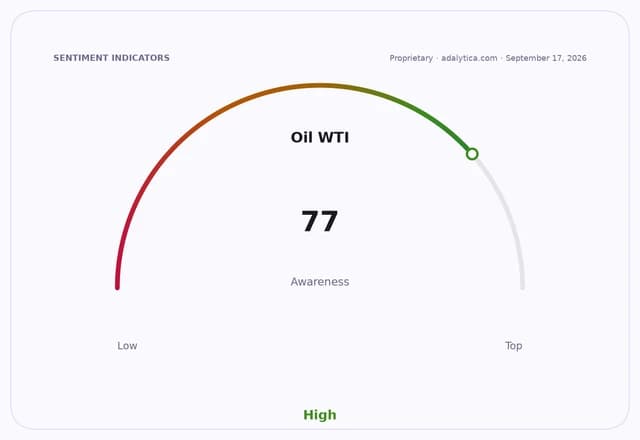
The market is likely underestimating how powerful this setup can be for the energy complex. Adalytica’s oil trade snapshot shows sentiment on WTI in “Extreme Fear” even as awareness remains elevated, a combination that often marks a market more focused on near-term volatility than on structural supply constraints. Exxon shares have stayed bid, with the stock near 161.63 and above both its 50-day and 200-day moving averages, while Chevron at 210.51 is also holding well above long-term trend levels. That tells you investors still want exposure to cash-generative producers with international optionality.
The bigger implication is that Venezuela may become less of a black box and more of a bargaining chip in the global oil system. If Washington keeps broadening permissions for dealings with PDVSA and the political risk is manageable, more foreign capital could flow into a country that desperately needs it. If not, the reopening stalls and the market keeps pricing scarcity.
For now, the asymmetric trade is clear: the majors that can navigate the legal maze stand to gain optional reserves and stronger cash flow, while buyers of crude lose some of the leverage that scarcity has given them. I believe Exxon’s Venezuela push is less about headline optics than about locking in the next long-duration oil moat before the rest of the market fully recognizes it.
| Entity | Gains | Losses |
|---|---|---|
| Exxon Mobil | ▲Optional reserves | ▼Legal uncertainty |
| Chevron | ▲First-mover advantage | ▼Policy reversals |
| Venezuela | ▲Capital and output | ▼Control concessions |
| Oil buyers | ▲None | ▼Higher supply leverage |