ExxonMobil and EDM fund 1.1 million euro electrification project in Mozambique
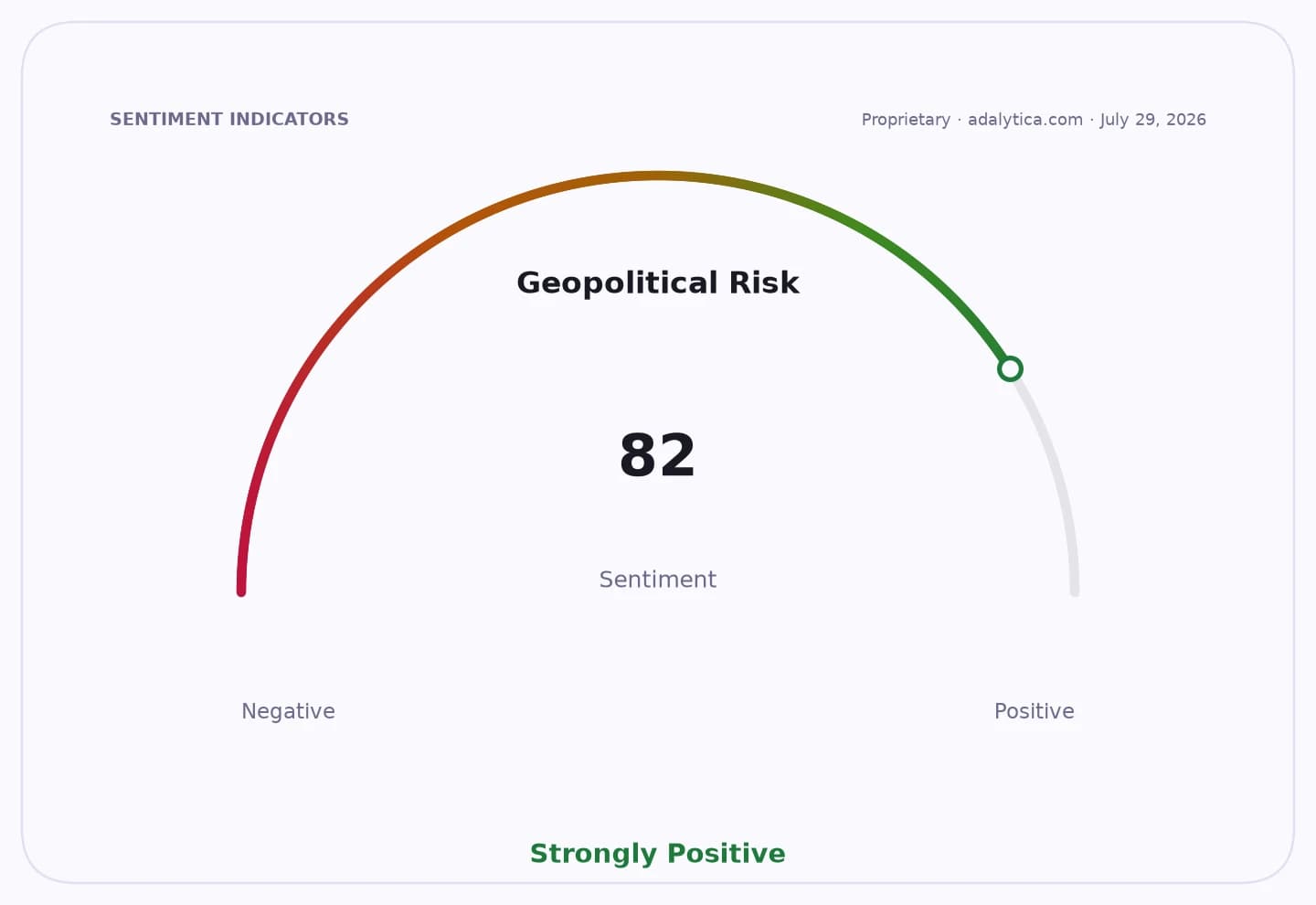
ExxonMobil and Mozambique’s state-owned electricity utility EDM are investing 1.1 million euros to electrify an international administrative post, a small project that nonetheless fits a larger commercial and political push to deepen energy infrastructure around one of Africa’s most strategically important gas provinces.
The funding is modest in capital terms, but it matters because Mozambique’s offshore energy story has shifted from deferred promise to a slow return of activity. Any credible investment in power, logistics and public infrastructure helps reduce operating friction in a country where security, financing and basic services have repeatedly delayed industrial plans. For Exxon, building relationships around the energy corridor is also part of preserving optionality in the Rovuma Basin, where large-scale gas development would require far more than upstream drilling to become bankable.
The announcement comes as Mozambique tries to rebuild momentum through industrial modernization and tighter control over resource exports, while also contending with persistent security risks and fiscal constraints. Those pressures make even small infrastructure projects relevant: they signal that the state and foreign investors are still trying to create the conditions for larger projects to move ahead, rather than treating the country as a stranded frontier asset.
For investors, the key question is not the 1.1 million euros itself, but whether it reflects a wider thaw in Mozambique’s investment climate and a gradual de-risking of project execution. Energy majors have long valued the country for its gas potential, yet they have also had to price in force majeure risk, political instability and infrastructure bottlenecks. Progress on electrification, administration and local service capacity may not move earnings immediately, but it can improve the investability of the ecosystem around future LNG, services and construction spending.
That is why the story matters beyond Mozambique. Exxon, Chevron and contractors such as SLB have all benefited from stronger hydrocarbons spending and a more constructive upstream cycle, as reflected in their share-price gains over recent months. But the next leg of value creation in frontier basins often depends less on oil prices than on whether host countries can make projects workable. Small infrastructure commitments are one of the few visible signs that that process is under way.
The bull case is that these partnerships are the kind of groundwork that precedes larger capital deployment, especially if Mozambique continues tightening governance around mining and industry while improving local infrastructure. The bear case is that symbolic projects can mask a still-fragile operating backdrop, with security and financing risks remaining too high for big-ticket energy developments to scale quickly.
For now, Exxon’s role in electrifying an administrative post is best read as a low-cost foothold in a high-stakes country: not enough to change earnings, but enough to show the company is keeping its options open in a market where infrastructure, state capacity and energy investment remain tightly linked.
| Entity | Gains | Losses |
|---|---|---|
| ExxonMobil | ▲Local presence and optionality | ▼Minimal near-term financial impact |
| EDM / Mozambique state | ▲Better power access and credibility | ▼Must fund and maintain project |
| Rovuma Basin LNG ambitions | ▲Improved operating backdrop | ▼Continued dependence on stability |
| Frontier project skeptics | ▲Little immediate downside removed | ▼Higher chance of follow-on investment |