Fed Beige Book Shows Modest Growth, Sticky Prices
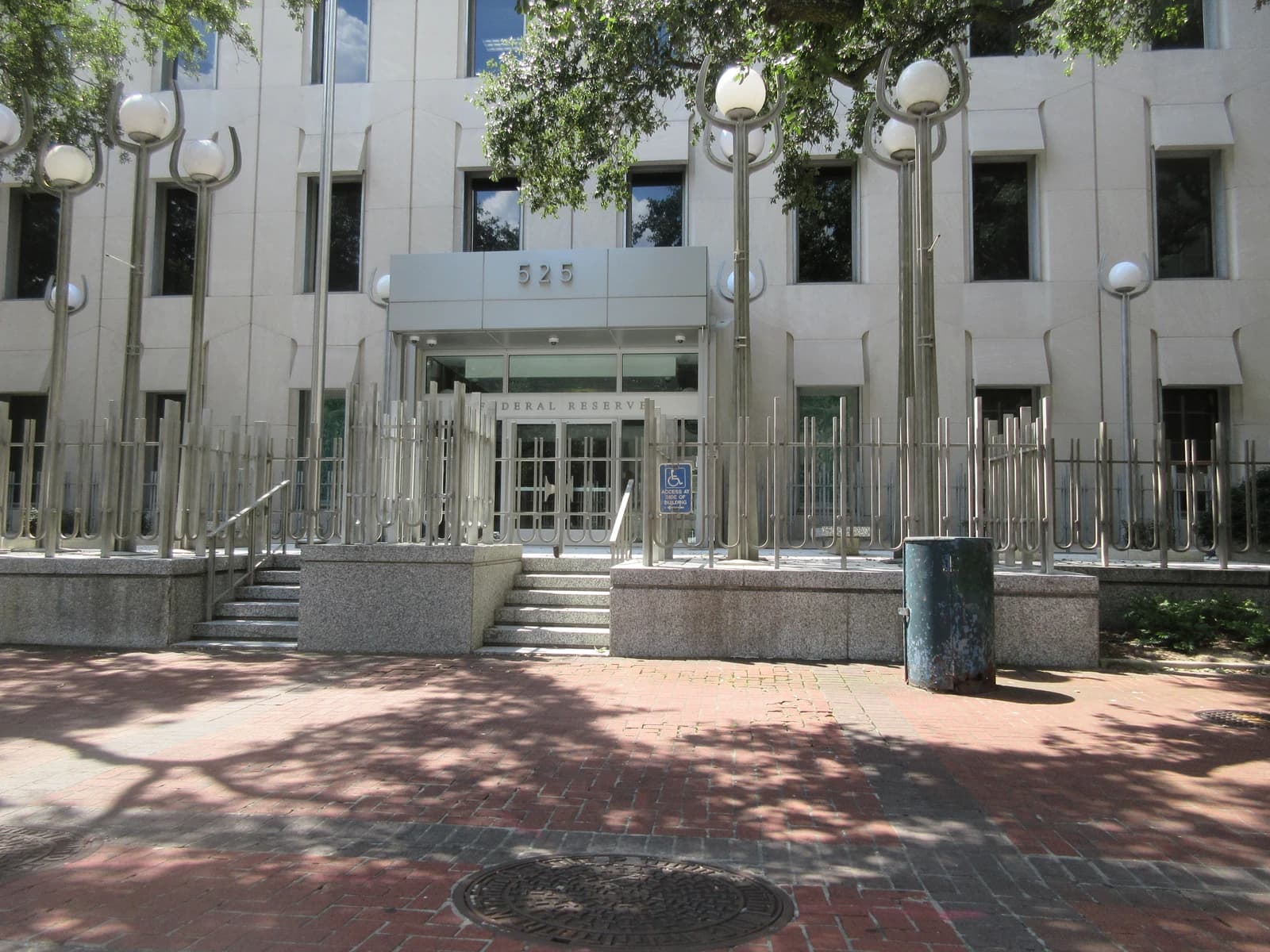
U.S. economic activity edged higher and prices rose moderately in recent weeks, leaving the Federal Reserve with little fresh relief on inflation as policymakers prepare for a closely watched September meeting.
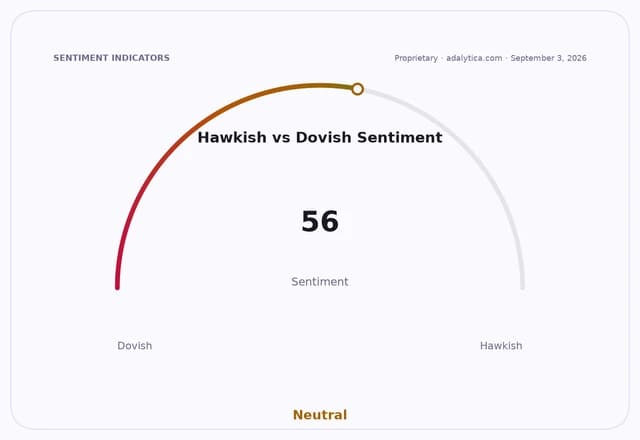
The Fed’s Beige Book painted a picture of an economy still expanding, but only modestly, with employment increasing slightly and price pressures easing in only a few of the central bank’s 12 districts. For investors, the report matters because it reinforces the view that the Fed is more likely to keep rates elevated — and may still hike again — if inflation does not cool decisively.
The central bank said activity increased modestly overall, while the pace of price increases slowed in three districts, picked up in one and was unchanged in eight. Contacts across industries reported heightened uncertainty around energy costs, policy and international conflict, with the report collected on or before Aug. 24, before the latest jump in oil prices tied to Middle East tensions.
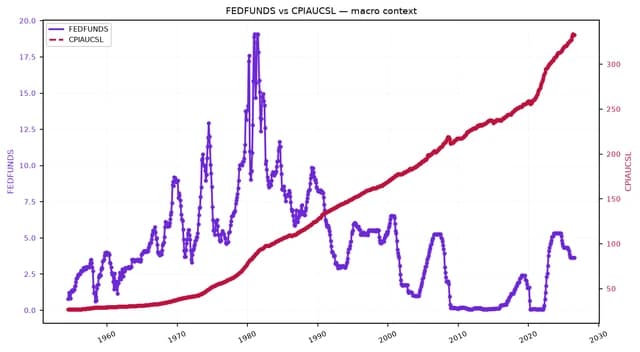
That leaves officials balancing a labor market that is still holding up against inflation that has remained above the Fed’s 2% target for about 5-1/2 years. Markets are pricing about a 65% chance of a rate hike at the Sept. 15-16 meeting, versus 35% for a hold, after Chair Kevin Warsh signaled last week that his “predominant focus” is inflation and that a move higher remains possible if underlying price trends do not improve.
The Beige Book showed some signs that firms are having a harder time passing higher costs through to consumers, especially as customers become more price sensitive. Still, input pressures remained notably elevated in manufacturing and construction, with widespread reports of higher costs for energy, transportation, metals and petrochemicals, alongside tariff-related impacts and significant healthcare and insurance cost pressures.
Weakness in housing also remained evident. Fed districts reported slower sales, rising inventories and homes sitting on the market longer, a combination that suggests mortgage rates and inflation are still weighing on demand.
The report offered little evidence that wages are becoming the main inflation driver, although pockets of pressure remained in construction and manufacturing. In some cases, softer labor-market conditions allowed employers to temper pay increases, and one services firm even cut top salaries by 10% in a broader cost-saving move.
Artificial intelligence was again a notable theme, with districts citing both positive and negative effects on labor demand, while data-center orders and defense spending continued to support activity in some regions. The next catalyst for markets is the upcoming Fed meeting and any hard data on inflation and employment before policymakers vote.
| Entity | Gains | Losses |
|---|---|---|
| Fed hawks | ▲More case for a hike | ▼Dovish policy path |
| Bond bears | ▲Higher-rate risk | ▼Treasury price gains |
| Consumers | ▲Slightly slower pass-through | ▼Higher living costs |
| Homebuyers | ▲Some easing in pricing pressure | ▼Mortgage-sensitive demand |