Fed Hike Fears Pressure Dividend Stocks
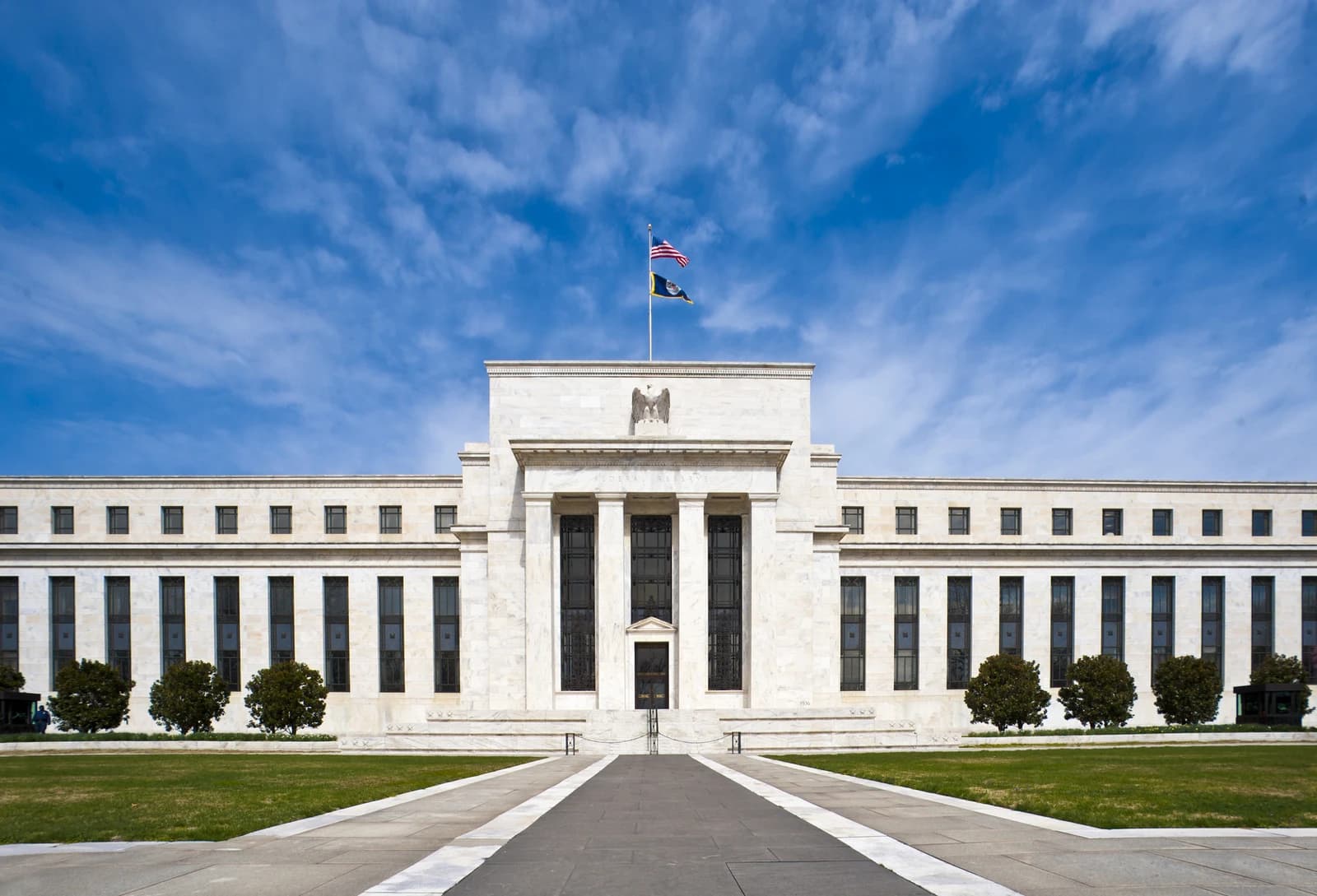
Fed Chair Kevin Warsh’s warning that another rate hike could be coming is shaking up the income trade, with dividend stocks that borrow heavily and compete with bonds facing the most pressure.
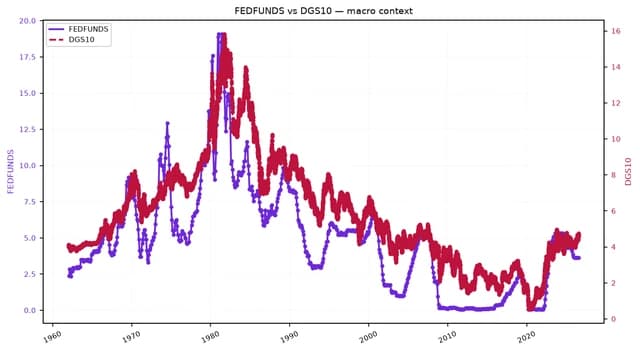
After Warsh’s Jackson Hole remarks on Aug. 28, fed fund futures priced in a 60.4% chance of a 25-basis-point hike on Sept. 16, up from 56% before the speech, according to the data context. Some Fed watchers are even betting on two quarter-point increases this year, a shift that matters because higher short-term rates quickly feed through to financing costs, discount rates and relative yields across income-oriented assets.
That makes the most vulnerable names the ones that rely on leverage and headline yield to attract investors. Real estate investment trusts are among the most exposed because they borrow to finance acquisitions and development, while mortgage REITs face a direct squeeze when funding costs rise faster than the income on their mortgage portfolios. AGNC Investment, for example, yields 13.5% and invests in Agency MBS with leverage, leaving its spread vulnerable if borrowing costs climb.
Utilities, pipeline companies and other capital-intensive dividend payers also tend to struggle when Treasury yields rise, since income investors can move into safer fixed-income alternatives. In market terms, a Fed hike can pressure share prices even when dividends stay intact, pushing yields higher only because prices fall.
The flip side is that not every high-yield stock is hurt by tighter policy. Business development companies and some REITs with floating-rate loan books can benefit as interest income resets higher. Ares Capital, one of the largest BDCs, has 71% of its $29.3 billion portfolio in floating-rate debt and earns a 10.3% weighted-average yield on direct loans, giving it more room to capture higher rates than to absorb them.
Starwood Property Trust is another potential winner because its lending businesses are mostly floating rate. Its commercial lending portfolio makes up 53% of assets and is 97% floating rate, while its infrastructure lending portfolio is 96% floating rate, positioning it to outperform in either direction as rates move.
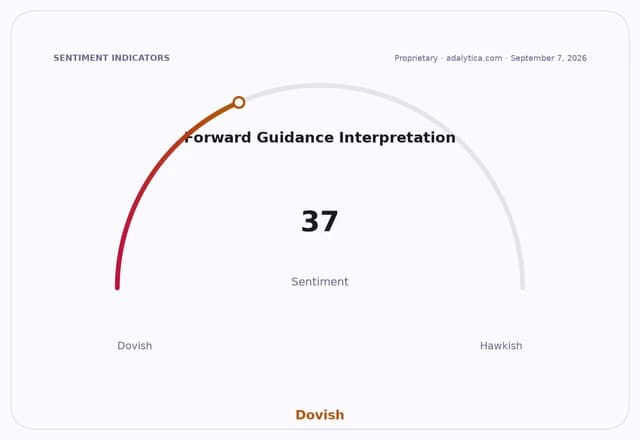
The broader market has already started repricing that risk. Adalytica’s Market Expectations for Fed Rate Decisions gauge shows extreme fear around policy outcomes, while the U.S. dollar trade signal has strengthened, reflecting a market leaning toward tighter financial conditions. The S&P 500 trade signal, meanwhile, sits in extreme fear, underscoring how quickly rate-hike expectations can ripple beyond dividend stocks into the wider equity market.
Investors now face a familiar split: high-yield names with heavy debt and fixed-rate exposure could get hit, while floating-rate lenders and asset managers may gain from the same move. The next catalyst is the Sept. 16 Fed meeting, along with any new inflation or labor data that could firm up — or cool — the case for a hike.
| Entity | Gains | Losses |
|---|---|---|
| Ares Capital | ▲Higher loan yields | ▼Higher funding costs |
| Starwood Property Trust | ▲Floating-rate income | ▼Fixed-rate peers |
| AGNC Investment | ▲Bond proxy buyers if rates hold | ▼Spread compression |
| Utilities and pipelines | ▲None | ▼Higher borrowing costs |