Fed pushes 2% inflation forecast to 2029
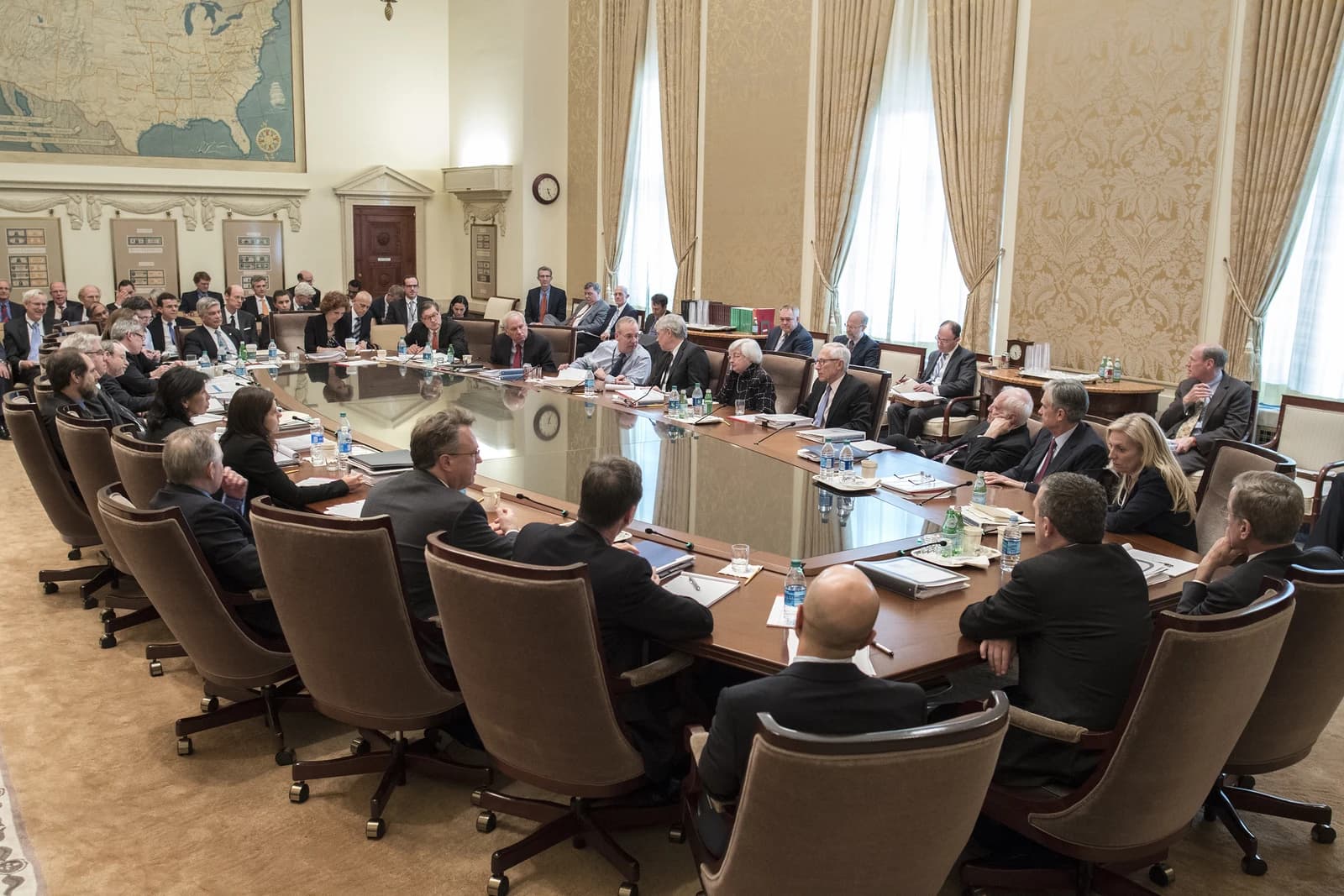
The Federal Reserve has pushed its projected return to 2% inflation out to 2029, underscoring how stubborn price pressures have become and why borrowing costs may stay elevated for longer than markets had hoped.
The new forecast marks the fifth time since 2021 that officials have delayed the date they expect inflation, measured by the personal consumption expenditures index, to settle at the central bank’s target. It is also the clearest sign yet that the Fed is no longer treating the inflation fight as a short campaign, but as a multi-year slog that will shape credit conditions, bond pricing and growth expectations well into the decade.
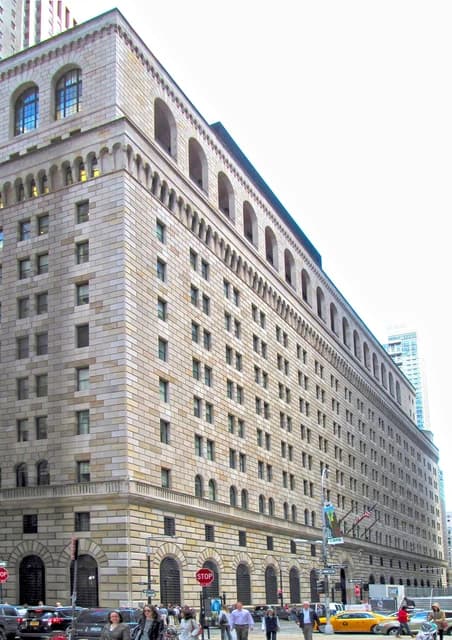
That matters because the Fed’s 2% goal is not just a technical benchmark. It anchors the central bank’s credibility and guides everything from mortgage rates to corporate financing costs. If policymakers are now telling investors to assume inflation will remain above target for another three years, the implication is that monetary policy will need to stay restrictive longer, even as growth cools and households continue to feel the squeeze.
The timing reflects an economy that has been more resilient to rate hikes than many officials expected. Recent data showed inflation at 3.7% in July, well above the goal, and the Fed lifted rates by a quarter point this week in what it said was an effort to force a “timelier return” to price stability. But the repeated postponements since 2021 suggest the central bank has consistently underestimated how long supply shocks, fiscal stimulus and now energy disruption can keep inflation sticky.
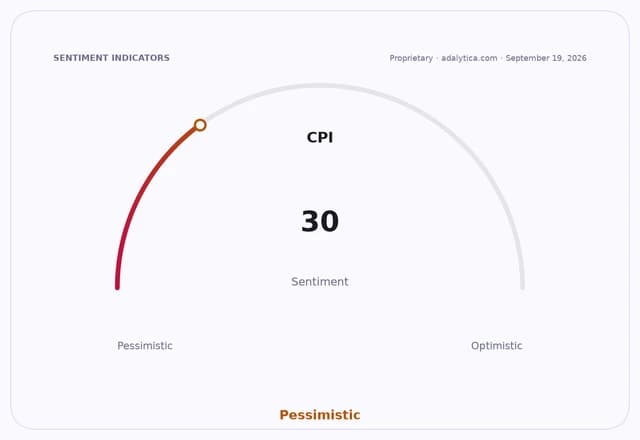
For investors, the message is straightforward: the bar for a dovish pivot remains high. Treasury yields may stay under upward pressure if markets conclude the Fed will tolerate slower disinflation rather than risk a harder landing. Rate-sensitive equities, real estate and long-duration assets are likely to remain vulnerable, while cash, short-dated bonds and companies with strong pricing power should be better insulated.
The latest move also sharpens the debate inside markets over whether the Fed is truly prepared to impose enough demand restraint to hit target, or whether it is gradually accepting that 2% will be reached only after a prolonged period of above-target inflation. Byron Anderson of Laffer Tengler Investments captured that tension bluntly, saying a return to trend only by 2029 “doesn’t say aggressive rate hikes.”
That uncertainty is now the central market variable. If inflation proves even stickier than the Fed’s latest outlook, policymakers may have to keep rates high for longer or tighten again. If growth weakens faster, the central bank risks being forced to choose between its price-stability mandate and mounting pressure on activity, credit and labor markets.
| Entity | Gains | Losses |
|---|---|---|
| Cash and short-duration bonds | ▲Higher carry | ▼Reinvestment risk |
| Long-duration Treasuries and rate-sensitive stocks | ▲Lower inflation fear if disinflation resumes | ▼Higher-for-longer rates |
| Banks and lenders | ▲Wider interest margins | ▼Credit stress if growth slows |
| Households and borrowers | ▲Slower inflation eventually | ▼Higher borrowing costs now |