Fed Rate Increase Raises Retiree Income, Market Volatility
The Federal Reserve’s first rate increase in three years is a mixed blessing for retirees: savings and short-term fixed-income products now offer better income, but the policy shift also raises volatility across stocks and bonds that many older investors rely on for steady returns.
Higher rates can help retirees earn more on cash, CDs and Treasury bills, a direct boost after years of near-zero yields. But the same move pushes borrowing costs higher, keeps pressure on equity valuations and can make bond prices swing more sharply as markets adjust to a longer period of restrictive policy.
That tension is already visible in fixed income. The iShares 20+ Year Treasury Bond ETF, TLT, closed at $81.25 on Sept. 18, below its 50-day moving average of $82.27 and well under its 200-day average of $84.36. The fund’s RSI reading of 35.2 points to weak momentum, while the recent drop in long-dated Treasury prices reflects the market’s reassessment of how high rates may have to stay to cool inflation.
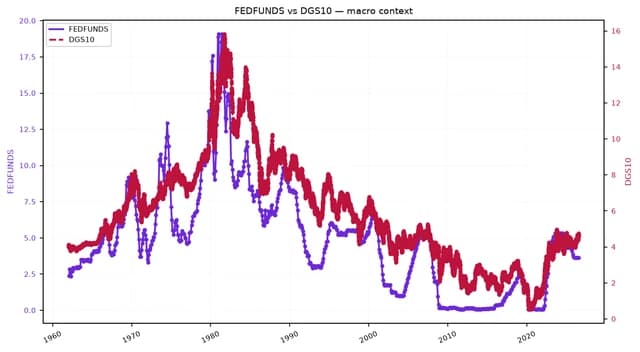
The 10-year Treasury yield was around 4.98%, underscoring that investors still demand elevated compensation to hold long-term government debt. The Fed funds rate sits at 3.63%, with forecasts implying only a modest move lower, suggesting policymakers are not preparing to reverse course quickly.
Inflation remains the backdrop to the hike. The consumer price index stood at 334.131 in August, still far above pre-pandemic levels, which helps explain why the Fed chose to tighten even as political pressure intensified. That keeps the central bank focused on price stability rather than cushioning markets.
For retirees, the immediate winners are those with cash balances, bond ladders and income-heavy portfolios that can now be rolled into higher-yielding instruments. Losers include investors dependent on dividend stocks, long-duration bonds and rate-sensitive sectors that struggle when the discount rate rises.
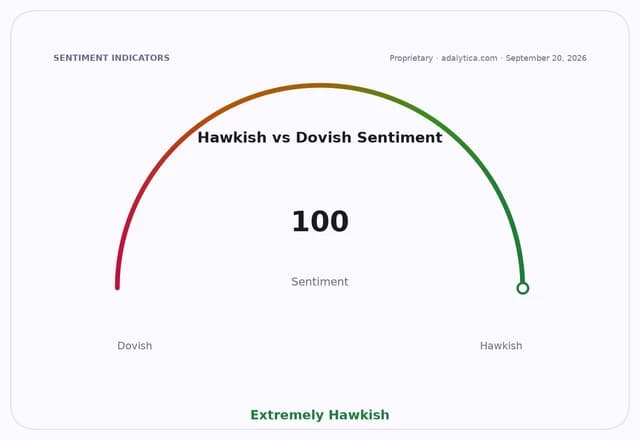
The market tone also reflects caution. Adalytica’s sentiment gauge for the S&P 500 shows “Fear,” while its Fed policy sentiment reads “Extreme Greed” on hawkish policy expectations, a sign traders are bracing for more tightening pressure and another round of portfolio rebalancing.
The next test is whether inflation continues to cool enough for the Fed to pause after this hike. Until then, retirees are likely to see better income opportunities — and a rougher ride in assets that depend on lower rates.
| Entity | Gains | Losses |
|---|---|---|
| Retirees with cash/T-bills | ▲Higher income yields | ▼Less upside on risk assets |
| Long-duration bond holders | ▲— | ▼Price declines, volatility |
| Dividend stock investors | ▲— | ▼Valuation pressure, higher discount rates |
| Federal Reserve / inflation hawks | ▲More policy credibility | ▼More market strain |