Fed rates, unemployment, inflation and cut outlook

The Federal Reserve’s policy stance is increasingly out of step with a labor market that is no longer overheated and with inflation that has come down from crisis levels, sharpening the case for cuts that would matter most to households carrying debt and to investors betting on rate-sensitive assets.
The fed funds rate is holding at 3.63% in the latest data, with a forecast of 3.625% for August, while the unemployment rate has eased to 4.1% from 4.2% a month earlier and 4.3% in May. That combination leaves the Fed with less reason to keep borrowing costs elevated for long, especially as consumer prices are essentially flat in the latest reading after a 0.42% decline in June.
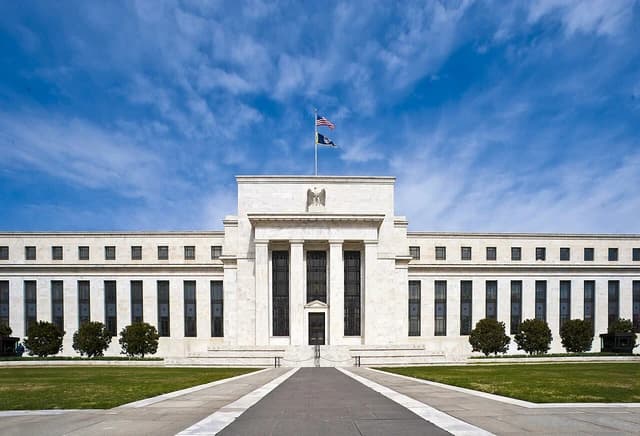
For ordinary borrowers, that matters because the Fed’s job is no longer to fight runaway inflation at any cost. For investors, it matters because a softer labor market and subdued price pressures usually translate into a more accommodative policy path, lower bond yields and better conditions for growth stocks, small caps and credit markets that have been squeezed by higher financing costs.
The gap between Wall Street’s expectations and Main Street’s pain remains the political and economic tension in the story. Adalytica’s market expectations gauge for Fed decisions sits at 75, labeled greed, while its hawkish-versus-dovish policy sentiment is neutral at 57, underscoring how traders have already moved toward easier policy even as the central bank has kept rates unchanged.
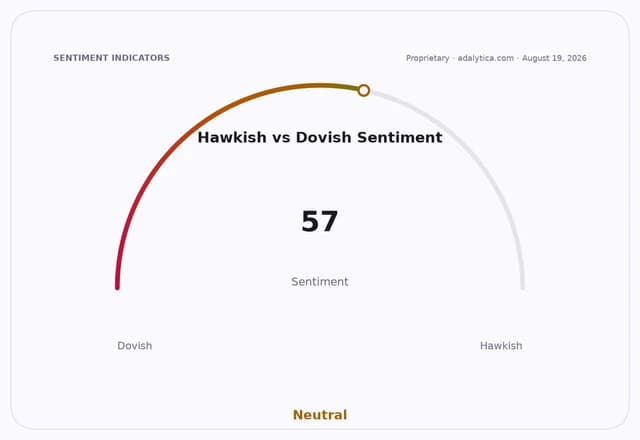
That backdrop explains why the debate is shifting from whether the Fed should hold to how quickly it should start responding to the data. The quantitative tightening sentiment index is still neutral at 68, suggesting the market sees the Fed’s balance-sheet runoff as part of the broader squeeze on financial conditions, even as inflation is no longer accelerating.
The bigger narrative is that the Fed’s policy setting was built for a hotter economy than the one now taking shape. If unemployment keeps drifting lower and inflation stays contained, the case for tighter-for-longer weakens fast — and the next catalyst will be the August inflation and labor reports, which could lock in expectations for a cut or force traders to rethink them.
| Entity | Gains | Losses |
|---|---|---|
| Households with mortgages and credit card debt | ▲Lower borrowing costs | ▼High-rate pressure |
| Rate-cut traders | ▲Easier policy bets | ▼Delayed Fed pivot |
| Treasury bond investors | ▲Higher price potential | ▼Yield volatility |
| Banks and cash-rich lenders | ▲Wider carry if rates stay high | ▼Narrower margins if cuts begin |