Fed September Decision Hinges on Jobs and Inflation

The US Federal Reserve’s September decision is now a live coin flip between holding rates and delivering another quarter-point hike after a much stronger-than-expected August payrolls report pushed traders to price in a 60% chance of an increase.
That shift matters because the Fed’s next move will help set borrowing costs across mortgages, corporate debt and equity valuations just as inflation worries are being reinforced by firmer crude prices and renewed Middle East tensions. Markets had been leaning more dovish after recent comments from Fed Governor Christopher Waller, but the labor data has forced a rethink.
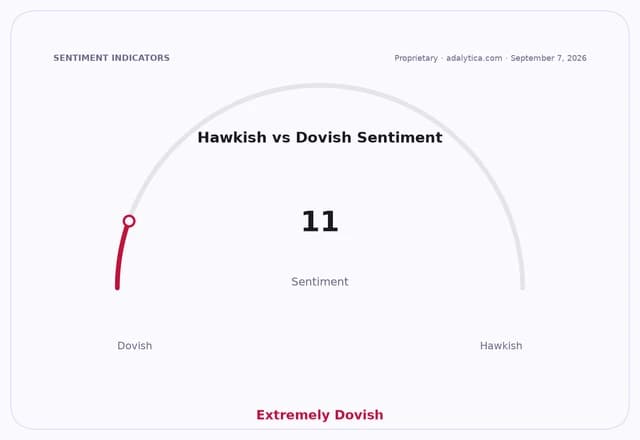
US nonfarm payrolls rose by 162,000 in August, well above forecasts for 56,000, while the unemployment rate held at 4.1%. July’s initially weak reading was revised higher to a 21,000 gain, and the two-month revision added 55,000 jobs, suggesting the labor market remains resilient despite higher rates.
Economists say part of the August upside was driven by unusually weak seasonal adjustment assumptions, but the underlying trend still points to a labor market that is not cracking. The share of industries adding jobs rose to 55.6%, with construction and manufacturing both contributing, reinforcing the view that the economy can withstand restrictive policy for now.
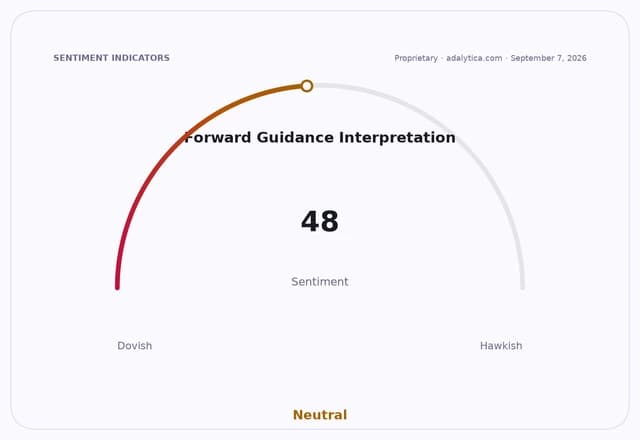
For investors, the bigger test is Friday’s August inflation report. Fed funds futures moved to roughly 40% for no change and 60% for a 25-basis-point hike ahead of the September 15-16 meeting, and any upside surprise in consumer prices would likely harden expectations for tighter policy.
The repricing has already filtered through rates markets. Treasury buyers are watching whether yields near multi-year highs can hold, while bond proxies and duration-sensitive assets remain vulnerable if the Fed leans hawkish. In equities, the S&P 500 is sitting near record territory, but trade signals on Adalytica show extreme fear in the index despite elevated awareness, underscoring how fragile sentiment is around the policy outlook.
Longer term, the Fed is still trying to square an economy that is creating jobs with inflation that has stayed above its 2% target for years. If the inflation data cools, the central bank may still pause in September; if it doesn’t, investors are starting to price in the possibility that the Fed goes again.
| Entity | Gains | Losses |
|---|---|---|
| Treasury bond bulls | ▲Stronger demand if inflation cools | ▼Losses if the Fed hikes |
| Dollar and rate-sensitive stocks | ▲Relief if the Fed holds | ▼Pressure if yields rise |
| Inflation hawks | ▲Support from firm payrolls and oil prices | ▼Less room for cuts |
| Borrowers and housing | ▲Easier financing if policy pauses | ▼Higher costs if rates rise |