Ferrari says execution, not pace, is limiting F1 gains
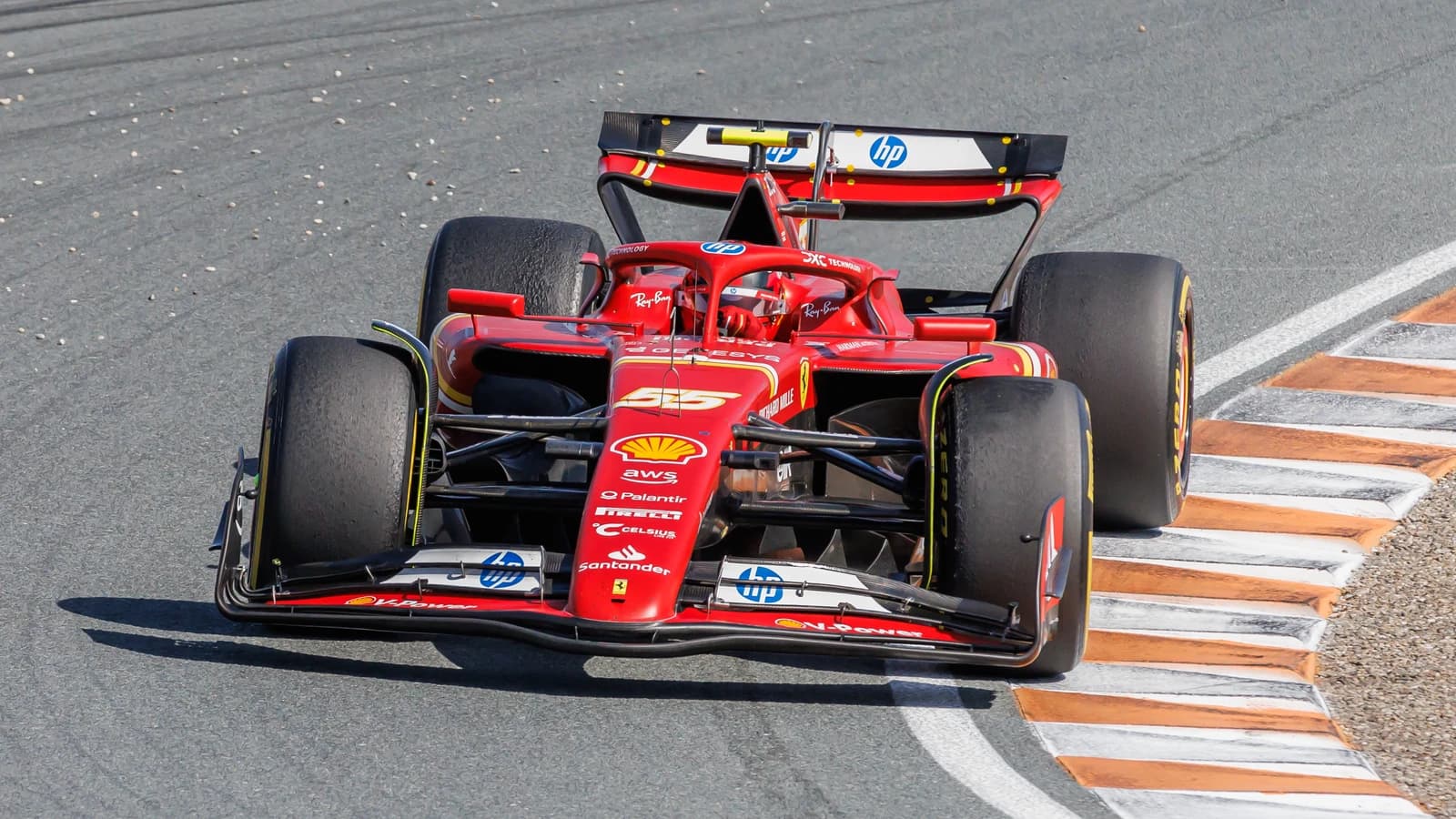
Ferrari says the main reason it is still chasing Mercedes in Formula 1 is not raw pace, but costly weekend execution that has left the team 145 points adrift despite having one of the fastest cars on the grid.
That distinction matters because in a year of sweeping technical change, the teams that convert speed into points are the ones most likely to win the constructors’ championship. Ferrari sits second on 358 points after 14 races, but a sequence of errors in Hungary and the Netherlands has blunted the gains from Charles Leclerc and Lewis Hamilton, each of whom has delivered at least one victory this season. For investors in Ferrari, the story is less about on-track frustration than about whether the company’s flagship racing program can still deliver the kind of prestige, brand lift and sponsor value that justify its substantial cost.
Team principal Fred Vasseur said Ferrari has “lost a lot of points this season in execution,” while arguing the problem is not unique to Maranello. New technical rules, altered tyre behaviour, tougher strategy calls and a more crowded 11-team pit lane have made weekends harder to manage across the sport. But Vasseur was clear that Ferrari must first fix its own operational mistakes.
“We lost points on ourselves,” he said, stressing that the team’s task is to improve its own processes rather than focus on rivals. That is a telling admission for a squad that has often had the car performance to challenge at the front but not the operational discipline to sustain a title run.
The economics of that gap are significant. Formula 1 success is not just a sporting metric; it feeds into sponsorship leverage, merchandising, hospitality demand and Ferrari’s broader brand equity. A title fight that turns into a series of self-inflicted losses can weaken the narrative around product excellence that Ferrari uses to support pricing power and its premium positioning. By contrast, a sustained championship push amplifies brand visibility at a time when luxury demand remains sensitive to global growth and consumer sentiment.
The latest comments also underscore how the 2026 regulatory reset is reshaping competitive dynamics. When the field is compressed by fresh rules, execution at the margins becomes more valuable than ever. Pit stops, reliability and race strategy can determine whether a team converts a front-row start into a podium or a podium into a win. Ferrari’s challenge is that its problems appear less structural than operational, which means the fix is possible — but also that the burden now falls squarely on the team’s management and race-day processes.
For investors, that creates a split view. The bull case is that Ferrari’s pace remains strong enough to contend, and that cleaner execution could quickly close the gap if Mercedes stumbles. The bear case is that repeated mistakes point to a deeper organizational weakness that will keep ceding points even when the machinery is competitive, limiting the marketing payoff from one of Ferrari’s most visible assets.
Ferrari shares recently traded around $413, above both the 50-day and 200-day moving averages, while momentum gauges remained constructive, suggesting markets are not pricing in a major near-term deterioration. But the stock’s own technical profile offers a reminder that performance can outrun fundamentals only for so long. In F1, as in equities, execution is often the difference between a good story and a winning one.
| Entity | Gains | Losses |
|---|---|---|
| Ferrari | ▲Brand if execution improves | ▼Points from operational errors |
| Mercedes | ▲Championship lead | ▼Pressure if Ferrari cleans up |
| Lewis Hamilton / Charles Leclerc | ▲Better chance to convert pace into wins | ▼Podiums lost to strategy mistakes |
| Investors in RACE | ▲Upside from title-contender narrative | ▼Margin of safety if results disappoint |