Ferrari H1 2025 Profit Per Car Tops Auto Industry
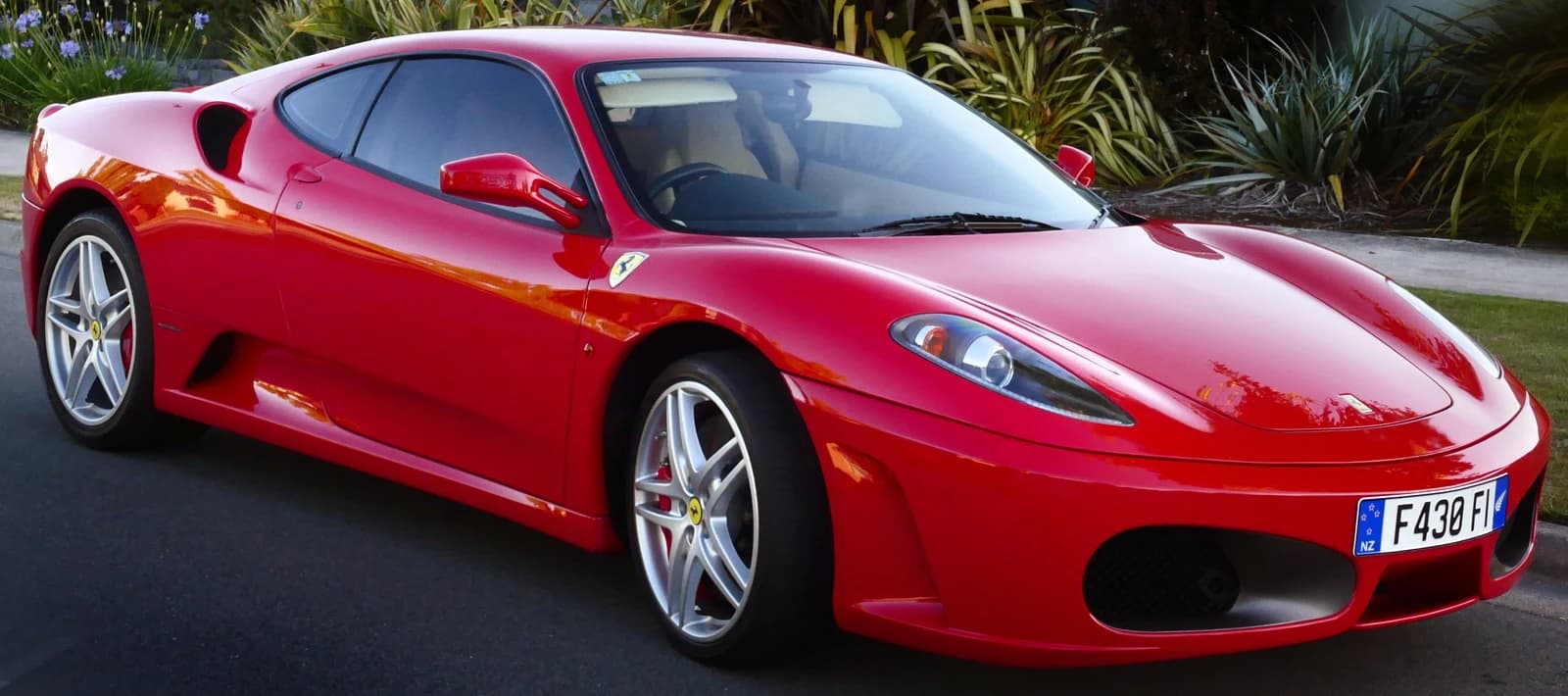
Ferrari’s business model is doing more than protecting margins — it is throwing into sharp relief just how unforgiving the global auto industry has become. In the first half of 2025, the Italian luxury maker generated a net profit of 118,124 euros per vehicle delivered, a haul that towers over most mass-market and even premium carmakers and helps explain why Ferrari remains one of the sector’s most resilient long-term investments.
That figure, up by about 10,000 euros from a year earlier, underscores the power of scarcity, pricing discipline and brand equity. Ferrari does not need volume to win; it needs affluent buyers willing to pay for exclusivity. Jaguar Land Rover, the closest challenger in the ranking cited by analyst Felipe Munoz, would have had to sell nearly 23 vehicles to match the profit Ferrari earned on one. That is the kind of gap that matters in an industry where pricing power is often the difference between compounding wealth and destroying capital.
The contrast with the rest of the field is striking. Porsche, Mercedes-Benz and BMW followed Ferrari among the most profitable makers, showing how premium brands still have room to defend earnings. But beyond that elite tier, the picture gets rough fast. Munoz’s survey of 34 automakers found a long list of companies in the red, including Mazda, Nissan, Stellantis, Renault, Volvo, NIO, Polestar, Rivian, Aston Martin and Lucid. Ford and Mitsubishi also looked weak, a reminder that scale alone is no guarantee of profitability when electrification, incentives and intense competition squeeze margins.
For investors, the message is simple: the auto industry is splitting into winners and losers based on business model, not just badge value. Ferrari’s near-118,000-euro profit per car is not just a bragging right; it is evidence of a moat. That matters because companies with durable pricing power can keep investing, reward shareholders and weather slower cycles without desperate discounting. By contrast, lower-margin manufacturers and EV startups are being forced to spend heavily just to stand still.
Lucid is the clearest example of the strain. The Saudi-backed EV maker lifted first-half deliveries 47% to 6,418 vehicles and grew revenue 21% to $495 million, but it still posted an operating loss of $970 million and a net loss of $906 million. That translates into a net loss of about 120,325 euros per car delivered. Even though that is an improvement from the prior year, it still leaves Lucid far from the scale it needs to survive as an independent manufacturer. For long-term investors, that is the real lesson of the numbers: growth is only valuable when it leads to sustainable free cash flow.
The broader industry backdrop is not encouraging. The 34 automakers in Munoz’s study produced 25.38 billion euros in net profits on 1.15 trillion euros of revenue, a net margin of just 2.2%, down sharply from 6.3% a year earlier. In other words, the industry is generating enormous sales but very little profit relative to that scale. That is why the gap between Ferrari and everyone else matters so much. In a sector under pressure from electrification costs, regulation and global price competition, the best businesses are becoming even better, while the weakest are being exposed.
For patient investors, Ferrari remains the sort of company worth watching over years, not quarters. The stock may move around, but the underlying economics are unusually strong for an automaker. And in a world where most carmakers are fighting for scraps of margin, that kind of advantage is exactly what long-term portfolios are built around.
| Entity | Gains | Losses |
|---|---|---|
| Ferrari | ▲Exceptional pricing power | ▼Volume dependence |
| Premium rivals | ▲Strong brand demand | ▼Mass-market automakers |
| EV startups | ▲Revenue growth | ▼Heavy cash burn |
| Buyers of luxury autos | ▲Exclusive products | ▼Affordable alternatives |