Ferrari Faces Leclerc Penalty and Hamilton Frustration
Lewis Hamilton’s frustration with Ferrari is turning into a bigger governance question for the Scuderia, even as Charles Leclerc is headed for another grid penalty at the Azerbaijan Grand Prix.
For investors and Formula 1 followers, the significance goes beyond one bad weekend. Ferrari is one of the most valuable brands in global sport because its racing program feeds directly into the company’s image, sponsorship power and long-term commercial engine. When a marquee driver is publicly unhappy and the team is still making avoidable operational errors, that weakens the very story Ferrari sells: elite execution under pressure.
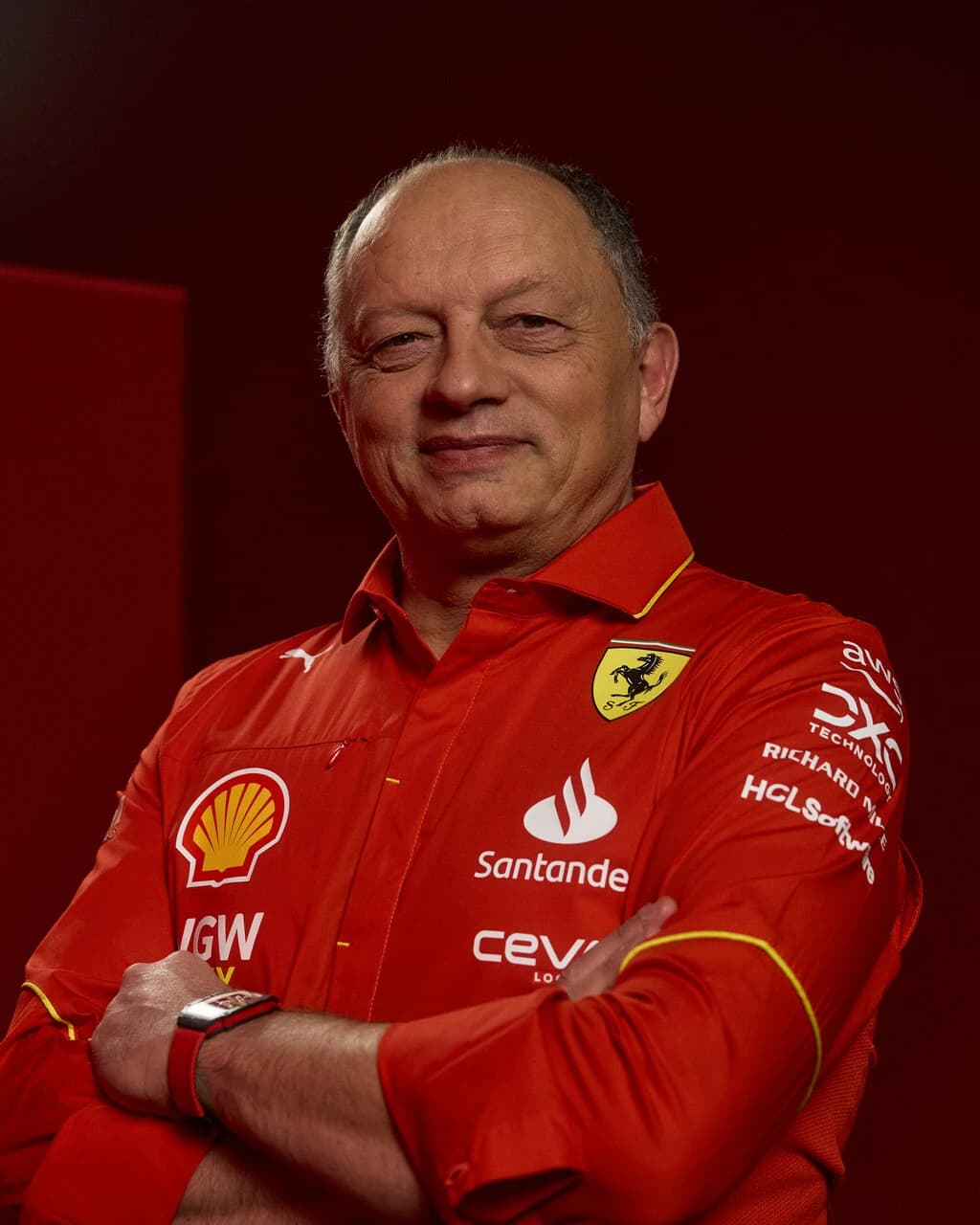
Hamilton’s criticism after Monza, where Ferrari again struggled with qualifying execution, has sharpened attention on team principal Fred Vasseur and the people around him. The seed of the issue is familiar to any long-term investor in a high-end franchise: when a premium brand cannot convert expensive talent into results, the market starts questioning management, not just performance. In Ferrari’s case, that matters because the racing team is not an isolated cost center. It is part of the company’s moat, supporting pricing power, customer loyalty and the halo effect that underpins the brand across road cars and licensing.
The immediate sporting backdrop is not helping. Leclerc is likely to take a penalty at Baku after Ferrari decided to mount a recovered power unit for practice and then switch to a newer engine for qualifying and the race, pushing him beyond the seasonal limit. That gives him a tougher path in Azerbaijan, even if Baku’s street circuit is one of the easier tracks for overtaking. In practical terms, Ferrari is choosing to absorb the pain now to preserve performance later — a sensible tradeoff on paper, but also another reminder that the team is managing around problems rather than controlling them.
That is where the investor lens matters. Ferrari’s stock has remained resilient even after a recent pullback from its highs, with the shares still trading well above the 200-day moving average and roughly in line with the 50-day moving average. But momentum has cooled, and that usually reflects a market that wants evidence, not promises. A luxury franchise can command a premium valuation for years, but only if its operating narrative stays disciplined. In Formula 1, as in business, branding is powerful until execution starts to look sloppy.
There is also a broader competitive story. Mercedes continues to set the pace this season, leaving Ferrari in the uncomfortable position of chasing a rival that seems more organized and more consistent. That matters commercially because F1 performance is cumulative: better results help attract sponsors, deepen global visibility and keep the team central to the sport’s biggest conversations. If Ferrari keeps trailing while internal tension rises, the risk is not just a few lost points. It is a slow erosion of confidence in the project.
For long-term investors, the right takeaway is not to overreact to one driver’s anger or one penalty in Baku. Ferrari remains a rare asset: a globally adored brand with pricing power, loyal fans and a business model built for compounding. But the racing team is part of that equation, and when leadership, execution and results drift apart, the market notices. This is a story worth watching closely, especially for anyone who believes Ferrari’s brand strength alone can carry it indefinitely.
| Entity | Gains | Losses |
|---|---|---|
| Mercedes | ▲Championship momentum | ▼Pressure to defend lead |
| Ferrari long investors | ▲Brand resilience | ▼Short-term confidence |
| Lewis Hamilton | ▲More leverage internally | ▼Frustration with execution |
| Charles Leclerc | ▲Overlap reset opportunity | ▼Baku grid penalty |