Ferrari Shares Stay Firm as Antonelli Gains
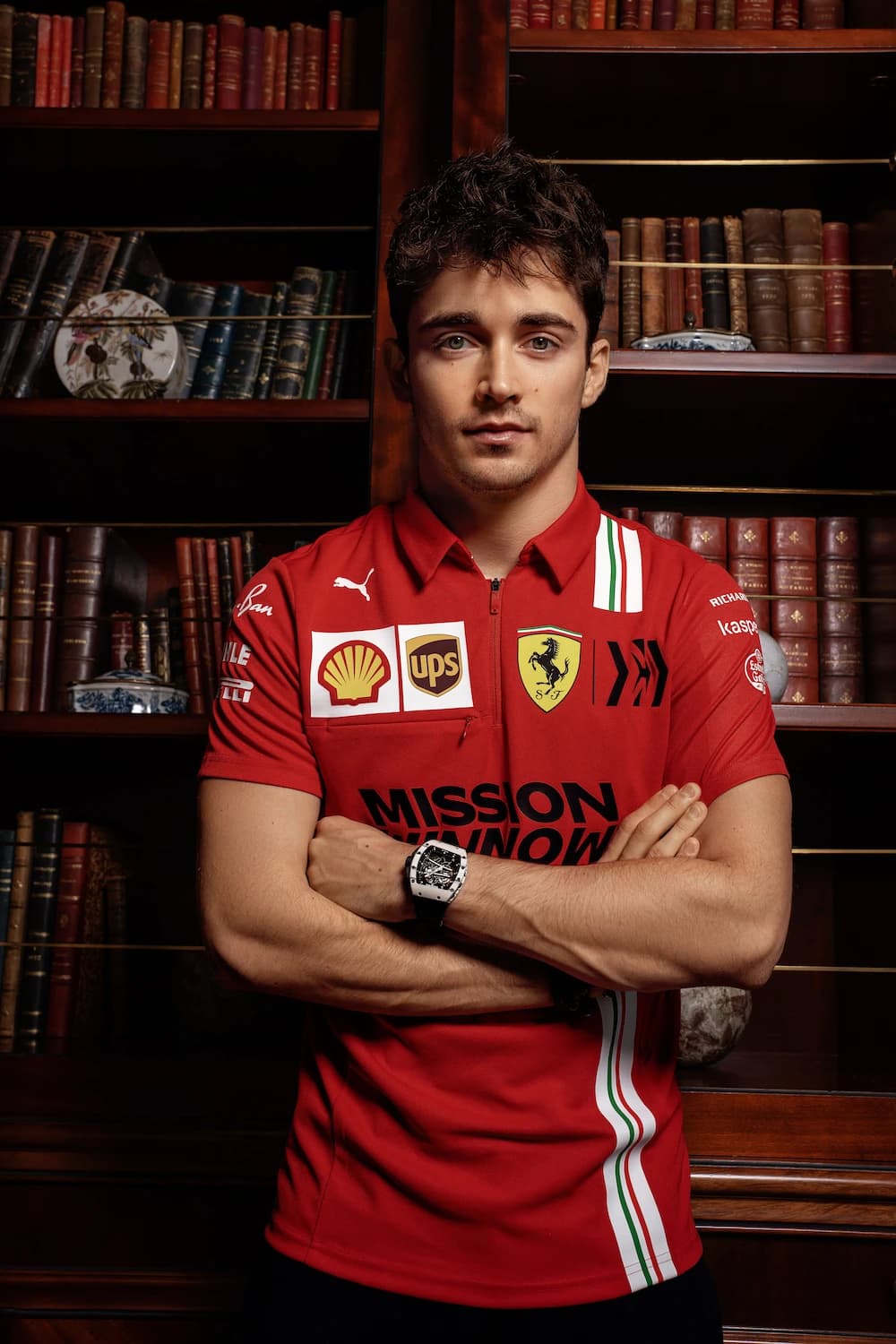
Kimi Antonelli’s rise is giving Italy a second motorsport hero to cheer, and that matters because Ferrari’s grip on the country’s sporting imagination may no longer be exclusive.
That is not a threat to Ferrari’s business in the near term, but it is a reminder that brand power is built on winning, not tradition alone. Antonelli’s headline-grabbing comeback at Monza — from 19th to victory in front of a home crowd — has created a rare moment in which Italian fans can celebrate a Mercedes driver without feeling disloyal to the Scuderia. For investors, that is less about fandom trivia than about the commercial value of national identity in elite sport, where emotion drives sponsorship appeal, media attention and long-term audience growth.
The biggest story here is not that Ferrari has suddenly become unloved. It is that Italian motorsport may be entering a healthier, more diversified era. Ferrari remains the national team, the red badge that still anchors Formula 1 in Italy. But Antonelli, 20, is becoming a new focal point for younger fans, and his ascent gives Italy something it has lacked for years: a realistic homegrown title contender in a global series dominated by multinational manufacturers.
That matters economically because attention is a revenue stream. Formula 1’s value comes from broadcast rights, race attendance, sponsorship, hospitality and merchandise. When a local star captures the public’s imagination, the sport deepens its audience and widens the commercial base around it. Antonelli’s popularity could strengthen F1’s already powerful position in Italy, while also lifting Mercedes’ visibility in a market where Ferrari has long been the emotional default.
Ferrari, meanwhile, still has the stronger long-term equity story in the stock market. The company’s appeal is not only its racing team but the scarcity, pricing power and luxury halo around the road-car business. That broader franchise is what investors own in RACE, and it is why a wave of Antonelli enthusiasm does not automatically translate into weaker fundamentals for Ferrari shareholders. If anything, a bigger Italian audience for motorsport can be a tailwind for the whole ecosystem.
The price action suggests investors have been focused on the business, not the romance. Ferrari shares were last around $413.78, well above the 50-day moving average of $398.95 and the 200-day moving average of $363.29, a sign the long-term uptrend remains intact even after recent volatility. The conventional RSI reading of 35.9 points to a market that is no longer overheated, while the stock sits near the upper half of its recent Bollinger Band range. In plain English: Ferrari is not cheap, but it remains a premium asset with premium expectations.
That premium rests on more than racing glory. Ferrari’s real investment case is its ability to combine exclusivity, margins and global brand loyalty in a way few industrial companies can match. Antonelli’s emergence does not change that. What it may change is the cultural conversation around Ferrari in Italy, where fans can now imagine more than one path to national pride. For a long-term investor, that is not a reason to sell. It is a reason to remember that Ferrari’s moat is emotional as much as mechanical, and that the next generation of Italian fans may be broad enough to love both Maranello and Monza’s newest star.
For patient investors, Ferrari still looks like a hold-for-years franchise, while Antonelli’s rise is a reminder that Formula 1 remains a powerful global storytelling machine. If you own Ferrari, keep thinking in decades, not weekends — and if you are watching from the sidelines, this is a name worth keeping on the watchlist.
| Entity | Gains | Losses |
|---|---|---|
| Ferrari | ▲Broader Italian spotlight | ▼Some exclusive fan attention |
| Kimi Antonelli | ▲National hero status | ▼Pressure to keep winning |
| Mercedes | ▲Italian market visibility | ▼Ferrari comparison |
| Formula 1 in Italy | ▲Bigger audience | ▼Less one-team dominance |