Fervo Energy wins Google geothermal power deal
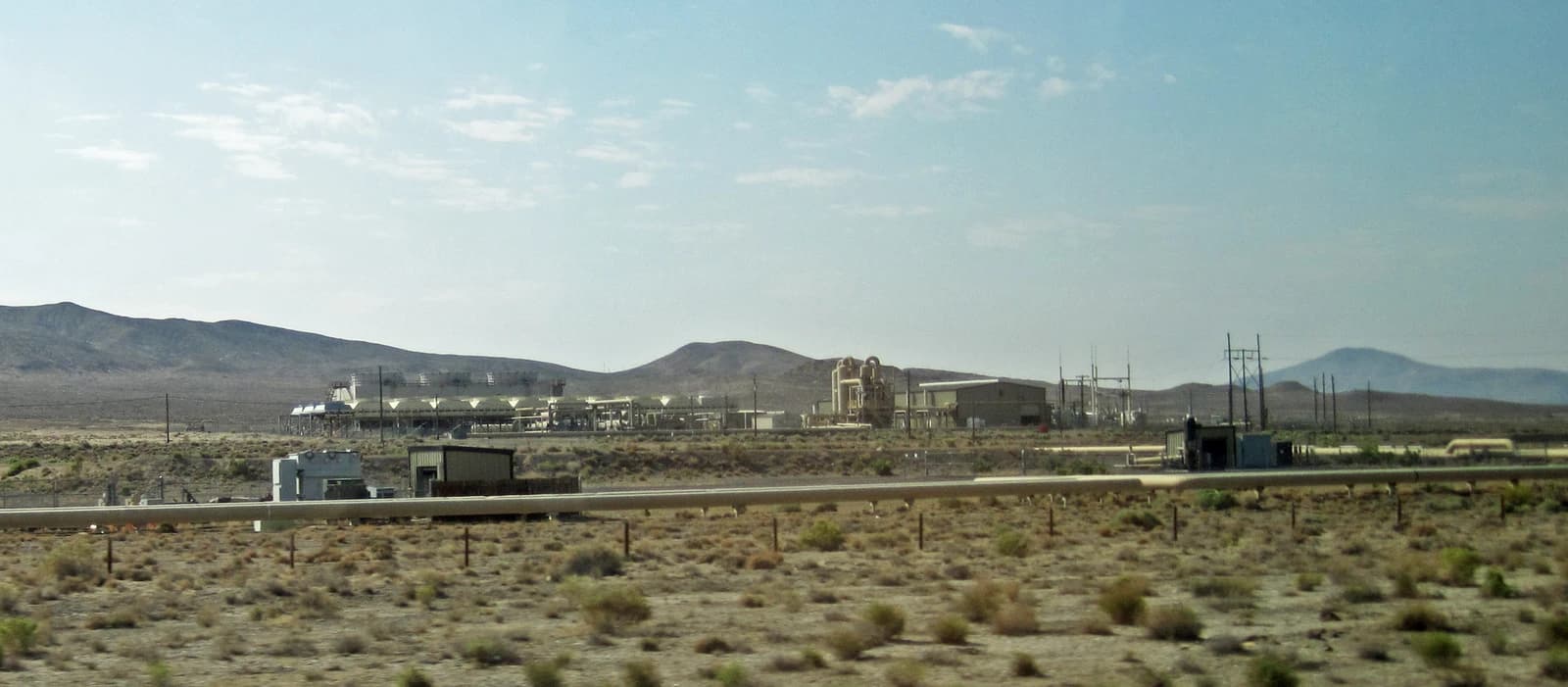
Bill Gates is backing a geothermal project that could redraw the economics of U.S. power generation, and Google’s decision to buy 396 megawatts from it shows the market for round-the-clock clean electricity is moving from theory to contracts.
The big shift is not just that Fervo Energy is drilling nearly three miles underground at Cape Station in Utah. It is that enhanced geothermal systems are starting to look like a scalable infrastructure business rather than a science project, with corporate demand, project financing and oilfield-style drilling technology converging at the same time. That matters because the U.S. grid is entering a new capex cycle driven by AI data centers, electrification and the need for firm power that does not disappear when the sun sets or the wind falls.
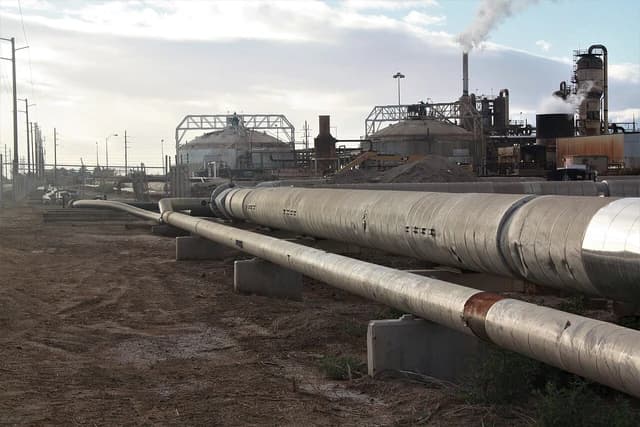
Cape Station is projected to deliver as much as 400 MW, with 70 MW targeted for 2026 and full capacity expected by 2028. Fervo says one of its wells reached 15,765 feet, with temperatures at the bottom expected to hit about 520 degrees Fahrenheit. At that depth, the company is trying to unlock hot rock rather than conventional geothermal reservoirs, using horizontal and directional drilling techniques borrowed from the oil patch. That is the real investable story: geothermal is becoming an industrial process, not a geological lottery.
Gates’ Breakthrough Energy Catalyst has already put $100 million into the project as part of a $206 million financing package, while Google has contracted for 396 MW and has an option to add roughly another 600 MW. Those are not symbolic bets. They are evidence that hyperscalers are willing to pay for firm clean power in advance, which lowers financing risk and accelerates deployment. For investors, that is the critical milestone that separates emerging energy technologies from stranded R&D.
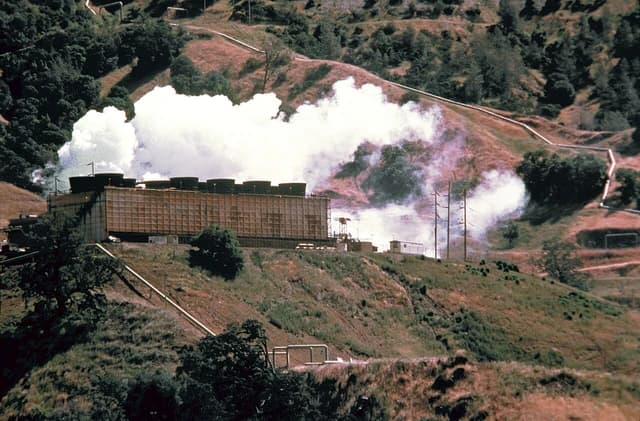
The market underestimates how disruptive that could be for utilities and power-hungry industries. Solar and wind remain essential, but they are intermittent and increasingly dependent on storage and grid flexibility. Geothermal can run around the clock, making it a natural fit for data centers, industrial users and utilities that need baseload-like output without coal or gas exposure. If Fervo can keep drilling costs down and replicate its Nevada pilot success, the opportunity is not a single project — it is a new domestic power platform with multi-gigawatt potential. Fervo says Cape Station could eventually reach 4.3 gigawatts.
That is why this story matters beyond Gates and Google. It sits at the intersection of AI infrastructure, energy security and capital formation. In a market gripped by extreme fear, according to Adalytica’s S&P 500 trade signals, investors should be looking for the toll roads of the next electricity buildout: the firms that enable firm power, not just the ones that consume it. The obvious beneficiaries are geothermal developers, drilling specialists, grid infrastructure names and large-cap buyers securing long-duration electricity, while traditional intermittent renewables and gas-dependent buyers face a tougher competitive landscape.
The next catalyst is execution. If Cape Station hits its 2026 startup target and Google’s offtake proves sticky, geothermal could move from niche to must-own in the clean power trade. I believe the smartest money should be positioning now for the companies that own the shafts, the rocks and the wires — because the next electricity boom may start 15,000 feet underground.
| Entity | Gains | Losses |
|---|---|---|
| Fervo Energy | ▲Project financing and scale | ▼Execution risk |
| ▲Firm clean power supply | ▼Fossil backup dependence | |
| Geothermal developers | ▲New corporate demand | ▼Skepticism from capital markets |
| Gas-fired generators | ▲— | ▼Baseload share at risk |