FICO Falls 17% on Pricing Power Concerns
FICO’s brutal selloff has turned into a test of whether the company’s credit-scoring model can keep its pricing power even as Wall Street increasingly views it as the network tollbooth of consumer lending.
The stock closed at $932.26 on Sept. 4, down 16.8% on the day and more than 31% in the last three sessions, after touching the upper end of its recent range only days earlier. The move came alongside unusually heavy volume of 1.43 million shares and a sharp deterioration in momentum gauges, with the 14-day RSI falling to 35.6 and the shares dropping well below both the 50-day moving average of $1,167.58 and the 200-day moving average of $1,304.58. The reaction reflects a market that is suddenly questioning whether FICO’s fee structure is becoming politically and commercially vulnerable.
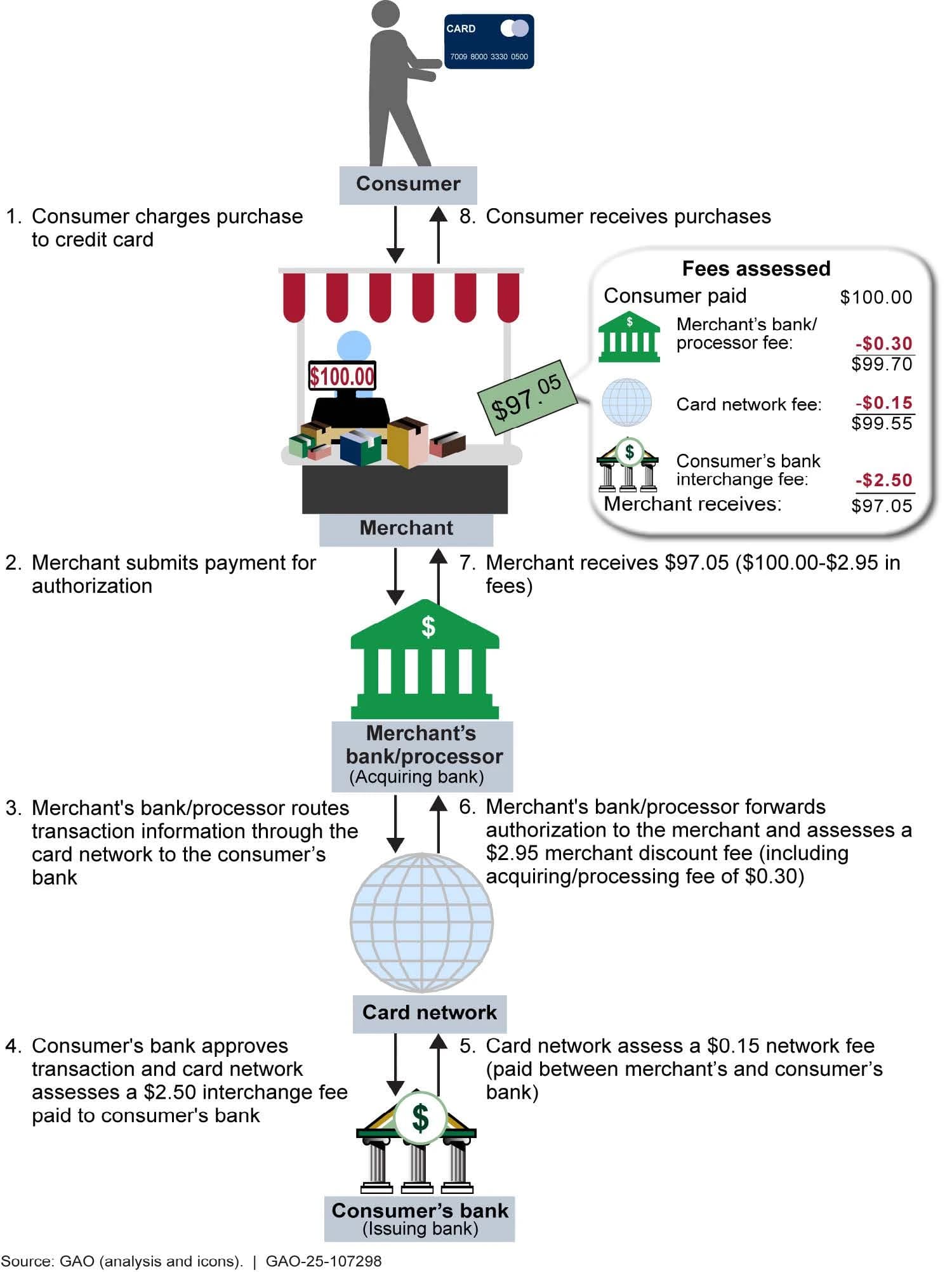
The seed idea behind the debate is simple: FICO is effectively being compared with Mastercard and Visa, but at a scale of pricing power that critics argue is out of line with the value delivered. In lending, a borrower’s FICO score can shape mortgage, auto and card pricing, and lenders have long accepted the company’s role because its scores are embedded in underwriting workflows and secondary-market standards. But if regulators, lenders or competitors succeed in forcing alternatives into the system, the economics could shift quickly because the company’s model depends on high-margin, recurring usage rather than one-time software sales.
That is why the market is treating the issue as more than a narrow valuation dispute. FICO’s business is built on the assumption that it can charge for access to the score every time a lender pulls it, while the broader payments networks charge for moving money through an ecosystem they also built. The bull case is that FICO remains deeply entrenched, with switching costs, regulatory familiarity and industry standardization protecting its franchise. The bear case is that, unlike a consumer-facing brand, its pricing power is exposed if lenders decide the fee is too high or if policymakers see it as a friction point in credit access.
The comparison with Mastercard and Visa also helps explain why investors reacted so sharply. Both networks trade on durable take rates, global scale and infrastructure-like characteristics. FICO is often valued similarly because of its dominant market position, but the latest move suggests investors are rethinking whether its pricing can remain intact if it becomes the focus of a public policy debate. Once that narrative takes hold, high-multiple “quality” stocks can rerate quickly, especially when technicals are already weak.
By contrast, Mastercard and Visa have been far more stable. Mastercard closed at $579.21, down modestly from the prior session but still above both its 50-day and 200-day moving averages, while Visa ended at $375.07, also holding comfortably above trend. Their relative resilience underscores a key investor distinction: payments networks benefit from two-sided transaction flows, while FICO’s economics are more directly tied to a single gatekeeper function in lending.
For investors, the next catalyst is whether the criticism translates into concrete pricing pressure, regulatory scrutiny or customer pushback. If it does, the debate will likely move from valuation to earnings power, which is where FICO’s premium stock market story becomes harder to defend. If it does not, the recent selloff may prove to be a sentiment-driven dislocation in a franchise that still commands an outsized role in U.S. credit markets.
| Entity | Gains | Losses |
|---|---|---|
| Lenders and mortgage issuers | ▲Lower scoring costs | ▼Less pricing certainty |
| FICO critics and borrowers | ▲Potential fee relief | ▼Slower industry change |
| Mastercard and Visa | ▲Relative valuation support | ▼Little direct impact |
| FICO shareholders | ▲Rebound if pricing holds | ▼Margin and multiple risk |