Finland Pushes Back on Rutte NATO-Russia Claim
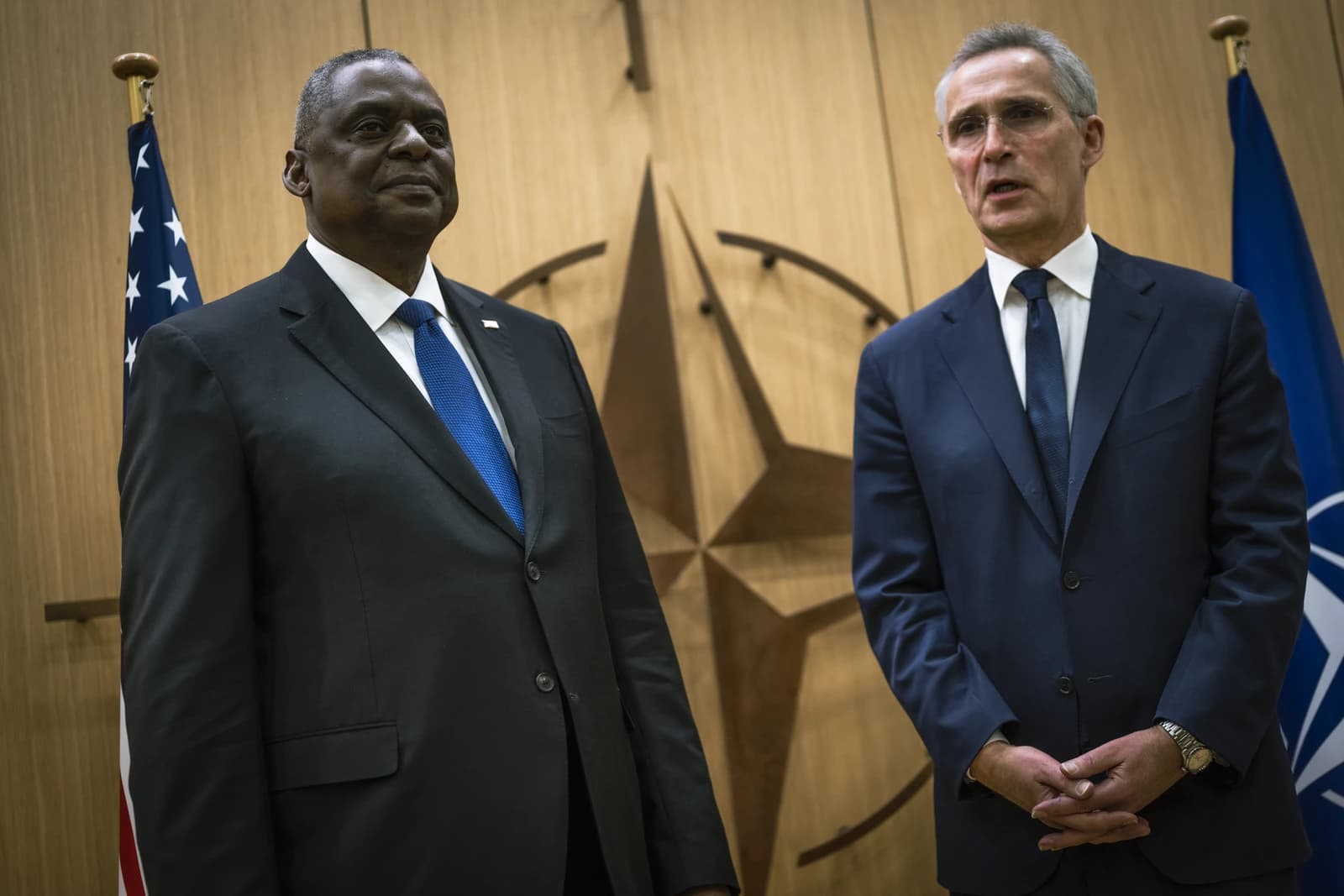
Finland has pushed back against NATO chief Mark Rutte’s claim that the alliance has greater capabilities than Russia, underscoring persistent political unease in Europe even as defense shares swing sharply on renewed geopolitical risk.
The criticism came from Armando Mema of Finland’s Freedom Alliance, who said on X that Russia had “already won” the conflict and that Rutte had not yet grasped that reality. Rutte had said in Berlin alongside German Foreign Minister Johann Wadephul that Russia was showing strength, but NATO allies “have bigger capabilities.”
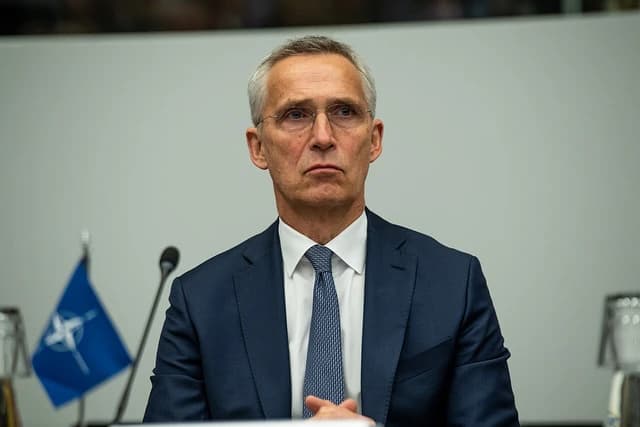
The exchange matters because it highlights the gap between the alliance’s public messaging and the more cautious private assessment taking hold in parts of Europe. That gap is important for markets because security anxiety feeds directly into expectations for defense spending, procurement timelines and NATO readiness, all of which affect contractors exposed to European rearmament and U.S. budget decisions.
Investors in the sector have already been forced to digest a volatile year. Lockheed Martin shares have fallen to $524.19 from $603.44 on Sept. 8, with the stock still trading above its 50-day moving average of $553.51 but below the 200-day average of $551.44. The move leaves the shares near the lower end of their recent range after a sharp summer selloff and a partial rebound earlier in the year.
Northrop Grumman has also come under pressure, closing at $518.97 on Sept. 11 versus $761.19 on March 2, while RTX ended at $197.68, well below its Aug. 18 peak of $225.49. The technical picture has weakened across the group, with RSI readings for all three names in or near oversold territory, suggesting investors have been trimming positions even as geopolitical headlines keep the long-term demand case intact.
That tension is central to the story. On one side, rising fear around Russia and wider global instability supports higher military budgets and contract demand; on the other, skepticism about Europe’s ability to sustain a long conflict points to execution risk, slower procurement and greater pressure on governments to translate rhetoric into spending.
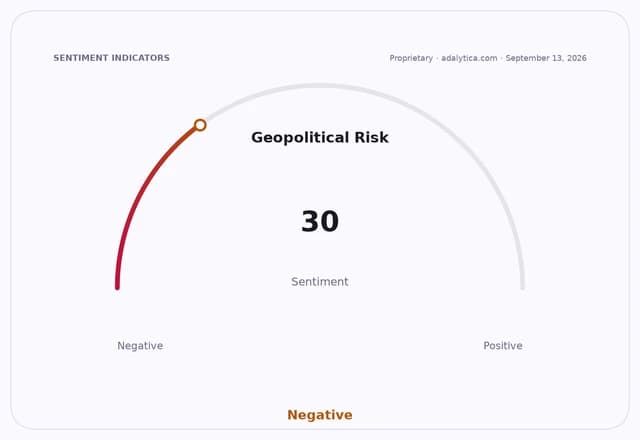
The backdrop is also broadly deteriorating. Adalytica’s Global Stability Sentiment gauge sits at 30, in “Fear,” down 15 points over seven days and 42 points over 30 days, a signal that geopolitical risk appetite has worsened materially. Defense groups have told investors in recent filings that conflicts in Europe, the Middle East and the Pacific are increasing security requirements, but also warn that budget, licensing and policy shifts can affect the pace of sales.
For investors, the key question is whether Europe’s rhetoric turns into orders fast enough to offset the volatility already visible in defense equities. The next catalysts are likely to come from NATO defense spending commitments, any fresh comments from alliance officials and the next round of earnings updates from major contractors.
| Entity | Gains | Losses |
|---|---|---|
| NATO defense contractors | ▲higher spending hopes | ▼order-timing uncertainty |
| Russia | ▲leverage in negotiations | ▼more Western rearmament |
| Finland hawks | ▲tougher debate on security | ▼pressure to match rhetoric with spending |
| Defense stock investors | ▲long-term demand upside | ▼near-term volatility |