FMCG firms hold prices through festive season
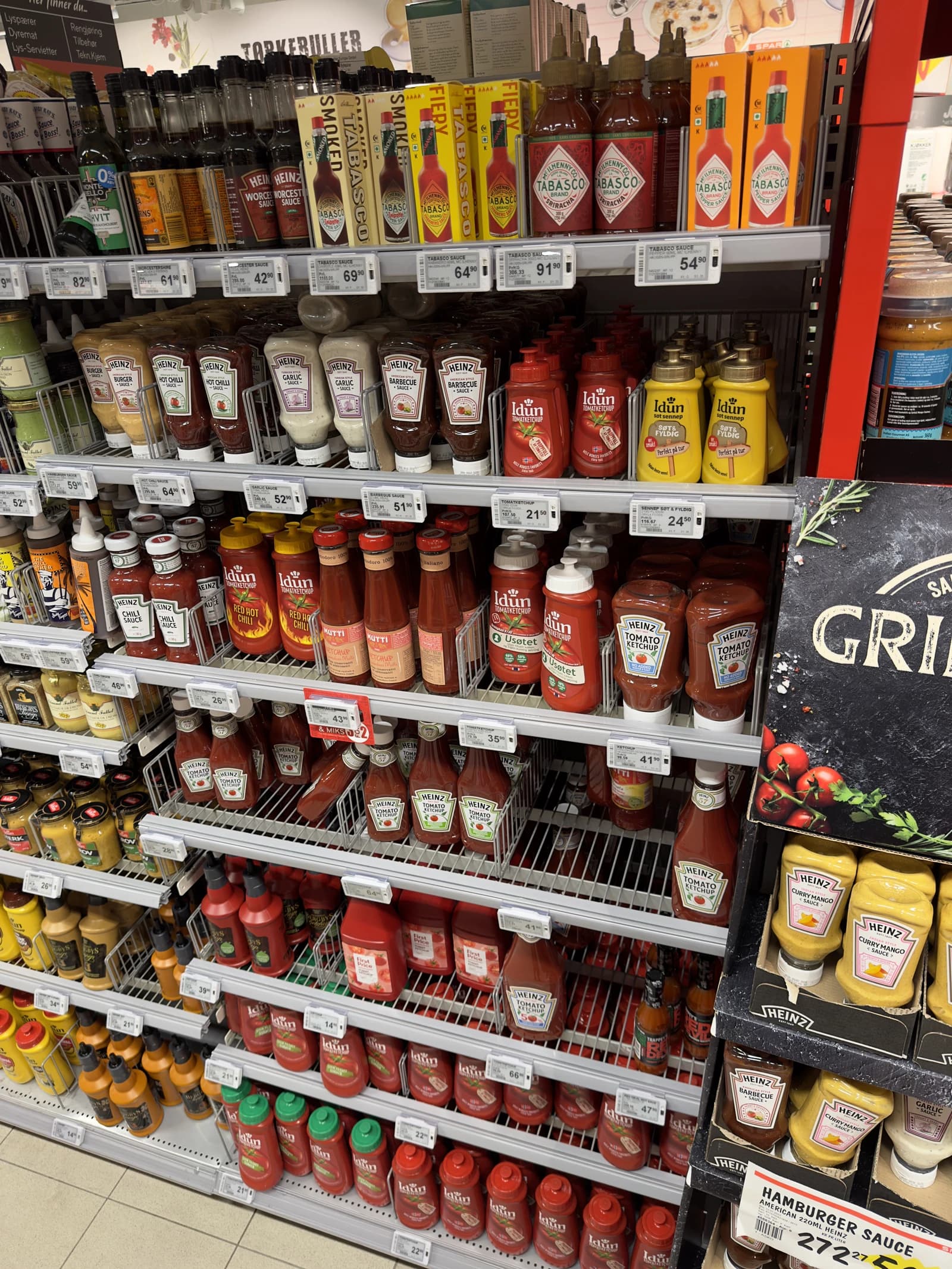
Consumer-goods makers are choosing margins over market share for now, with leading FMCG executives saying they will keep prices broadly unchanged through the festive season even as sugar, edible oils, cocoa, coffee and packaging costs climb.
That decision matters because the sector is entering its strongest demand window with inflation still biting on the supply side. For households, it limits near-term price pressure on daily essentials. For investors, it suggests companies are prioritizing volume growth and brand stickiness over immediate margin repair, leaving profitability vulnerable if commodity costs stay elevated into the December and March quarters.

Industry executives said companies have already taken selective price increases of about 2%-5% in the June quarter to partly offset higher input costs, but are unlikely to push through more hikes before Diwali. ITC’s foods executive director Hemant Malik said the company would maintain prices through the festive season, though he flagged possible “corrections on prices” in the third or fourth quarter if cost pressure persists. Dabur India CFO Ankush Jain said the company had raised prices on some products in recent months, but only in a calibrated way, while Parle Products’ Mayank Shah said most firms would prefer to hold pricing at least until October-November to avoid disrupting demand.
The strategy reflects a familiar trade-off in consumer staples: pass through too much inflation and volumes can slip; absorb too much and margins shrink. In this case, the balance appears to have tilted toward protecting consumption during the festival period, helped by resilient urban and rural demand and some easing in sugar prices after government intervention. Industry participants also pointed to the earlier GST rate cuts on some products, which helped volumes recover and made companies more reluctant to risk a demand slowdown with fresh price action.
The cost environment, however, remains uncomfortable. Sugar has hit record highs, while edible oils, coffee, cocoa and crude-linked packaging inputs remain elevated amid supply concerns and geopolitical disruptions. That leaves FMCG companies relying on cost control, portfolio mix and operating efficiencies to cushion earnings rather than outright pricing. The implication for margins is clear: if raw-material inflation does not cool, the earnings benefit from festive volume growth could be diluted.
For investors, the read-through is mixed. Companies with stronger brand power, better rural reach and greater procurement efficiency should defend earnings better than smaller rivals. But broad-based price restraint usually compresses near-term operating leverage, particularly for foods and personal-care names with high input sensitivity. The longer companies delay pricing, the more likely a later-round correction becomes necessary — and the sharper the eventual margin reset may be.
The next test will come in the third and fourth quarters, when managements will have to decide whether festival-season demand is strong enough to absorb another round of increases. If commodity costs ease, the sector may preserve volume momentum without further damage to margins. If they do not, the current pause on prices may prove temporary, with profit pressure extending deeper into the financial year.
| Entity | Gains | Losses |
|---|---|---|
| Consumers | ▲Stable prices on essentials | ▼Less product affordability relief from discounts |
| FMCG companies | ▲Volume growth, demand retention | ▼Margin compression from higher input costs |
| Large brands like ITC, Dabur, Parle | ▲Pricing power and scale | ▼Delayed margin recovery if costs stay high |
| Smaller rivals | ▲Near-term demand support | ▼Greater pressure from weaker cost absorption |