Food inflation stays high as headline CPI cools

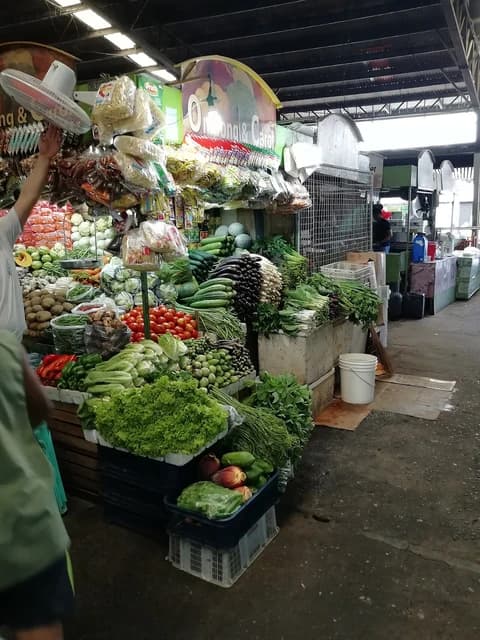
Food inflation remains stubbornly high at 19.57%, underscoring how slowly relief is reaching households even as broader price pressure cools.
The latest figures suggest inflation is still being driven by necessities rather than discretionary spending, keeping pressure on consumers’ real incomes and limiting the scope for a quick rebound in private consumption. For policymakers, that matters because food costs carry outsized weight in living standards and in inflation expectations, making them a central risk to the disinflation trend.
Headline inflation appears to be easing only modestly, with the consumer price index projected to slip 0.08% to 333.8642 in September after rising 0.4% in August. Core inflation is also expected to edge up just 0.08% to 338.0382, while producer prices are forecast to be nearly flat at 288.0287, up 0.03%. That mix points to a softer inflation backdrop overall, but one in which food remains the main stubborn component.
Markets tied to agricultural pricing have already reflected the strain. The Teucrium Wheat Fund, WEAT, was recently trading at $26.28, above its 50-day moving average of $25.28, while the Teucrium Corn Fund, CORN, was at $19.84, also above its 50-day moving average of $18.62. The broad Invesco DB Agriculture Fund, DBA, closed at $28.75, compared with a 50-day average of $28.22, suggesting investors still see food prices as supported even after recent easing in some commodity markets.
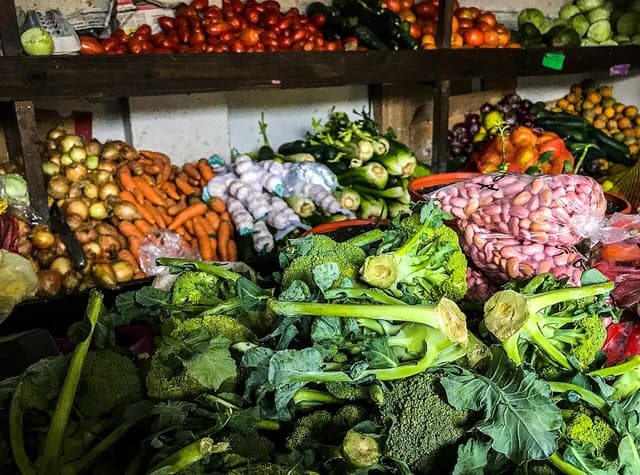
That matters for investors because persistent food inflation can keep pressure on central banks, delay rate cuts and squeeze margins for consumer businesses exposed to lower-income shoppers. It also reinforces the value of pricing power in retailers and food suppliers, while leaving import-dependent economies and households more vulnerable to supply shocks.
Adalytica’s wage inflation sentiment gauge sits at 7, labeled extreme fear, while its measures of confidence in the Fed’s 2% inflation target and long-term inflation expectations are also in extreme fear territory at 15 and 11, respectively. The signals point to fragile confidence that price pressures are truly under control.
The key risk now is that any weather shock, supply disruption or currency weakness keeps food inflation sticky even if the broader inflation trend continues to soften. Investors will be watching the next CPI reading and any policy response for signs that easing headline inflation can finally filter through to the grocery basket.
| Entity | Gains | Losses |
|---|---|---|
| Households | ▲Some relief from slower headline inflation | ▼Still face expensive food baskets |
| Central bank/policymakers | ▲Evidence of broader disinflation | ▼Pressure to address sticky food prices |
| Food producers/agriculture ETFs | ▲Support from elevated crop prices | ▼Risk from demand destruction if inflation persists |
| Consumer retailers/importers | ▲Easier pricing environment if inflation cools | ▼Margin squeeze from weak real incomes |