Food producers seek higher shelf prices on drought
Food producers are pushing for higher shelf prices as drought-driven shortages of wheat and vegetables squeeze margins across the packaged-food chain, a sign that climate stress is moving more directly into consumer inflation.
The pressure matters because food is one of the fastest ways weather shocks reach households. When harvests are smaller, processors pay more for inputs, and the cost is eventually passed through to retailers and shoppers. That can keep grocery inflation sticky even when broader inflation is cooling, especially in staples such as pasta, soup and sauces where wheat and vegetables are key ingredients.
The scale of the squeeze is already visible in food-market pricing. Wheat prices, tracked by the WEAT exchange-traded fund, have jumped to $28.00, up from $20.60 in late September, with its relative strength index at 92.3 and price trading above both the 50-day and 200-day moving averages, a sign of a sharp momentum-driven move rather than a one-off bounce. Corn prices, measured by the CORN fund, have also climbed to $20.26 from $16.47 in late June. In packaged foods, Campbell’s shares have risen to $23.82 from $20.06 in June, while General Mills, Kraft Heinz and other branded producers are similarly exposed to cost inflation in grains, oils, vegetables and packaging.
For investors, the key issue is whether these companies can reprice quickly enough to protect margins without destroying volume. Campbell’s and peers have spent the past several quarters leaning on pricing to offset input costs, but that strategy gets harder when consumers are already stretched and trading down to cheaper brands or private label. The risk is that food makers face a familiar squeeze: higher farm-gate costs on one side and resistance from retailers and households on the other.
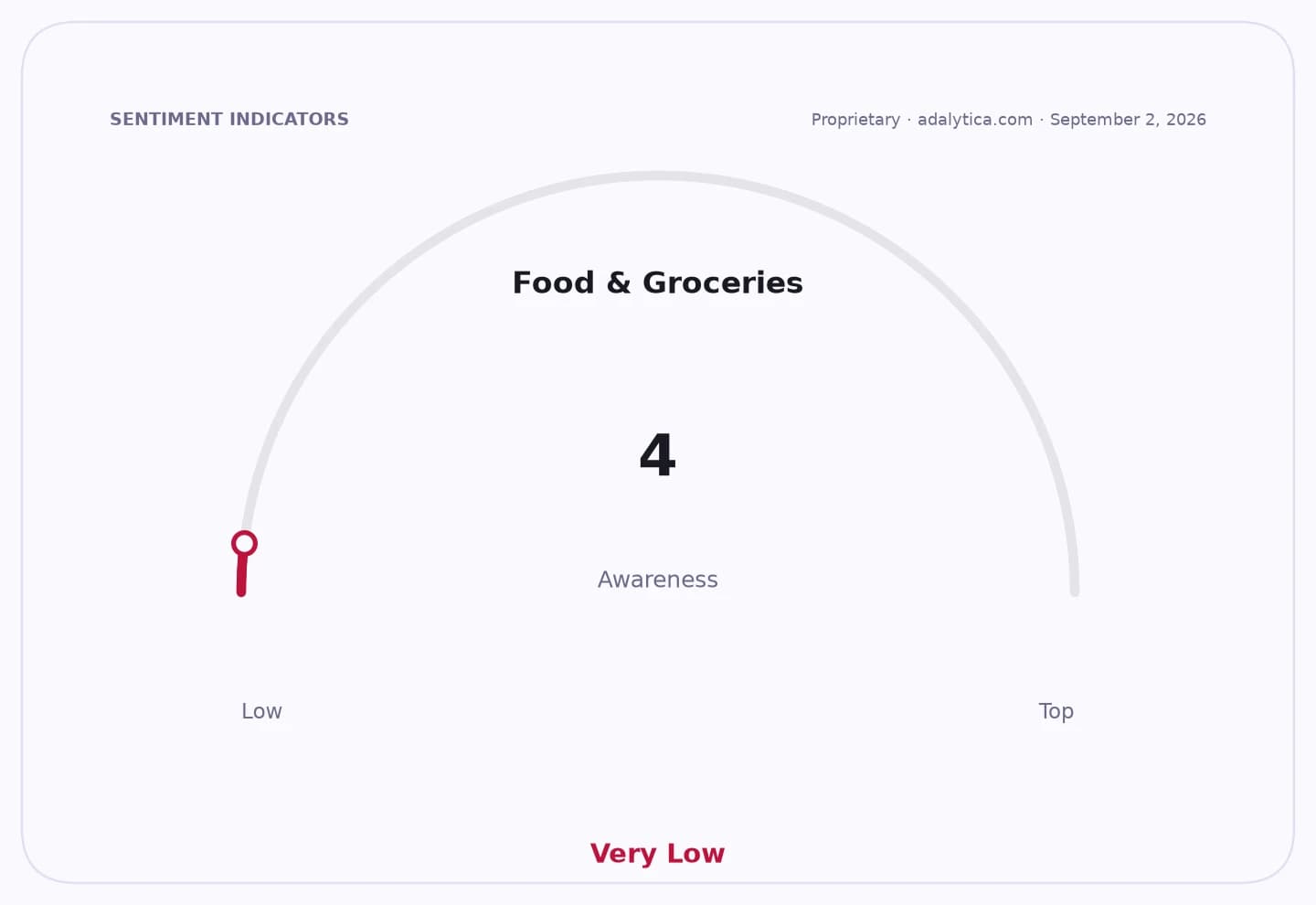
The macro backdrop adds to the strain. U.S. producer prices for all commodities remain elevated at 290.515, with the latest forecast pointing to another rise, while consumer prices are at 332.813 and still climbing. Adalytica’s Food and Grocery Spending Sentiment gauge shows neutral sentiment but extreme fear on awareness, suggesting shoppers are increasingly sensitive to grocery bills even if they have not yet cut spending sharply.
The bull case for food producers is that pricing power remains intact in branded categories and that supply shocks can justify modest increases. The bear case is that drought-related shortages hit volumes just as consumers become more price-conscious, leaving margins under pressure despite higher sticker prices. Either way, the path of wheat and vegetable costs will be the next test for food inflation and for the companies trying to defend earnings.
| Entity | Gains | Losses |
|---|---|---|
| Food makers | ▲Higher shelf prices | ▼Volume and demand risk |
| Farmers with surviving crops | ▲Better crop prices | ▼Drought-hit growers |
| Grocery shoppers | ▲— | ▼Higher pasta and staple costs |
| Brand owners vs. private label | ▲Branded pricing power | ▼Private label share gain |