Ford CEO Warns Weaker Auto Brands May Not Survive EV Shift
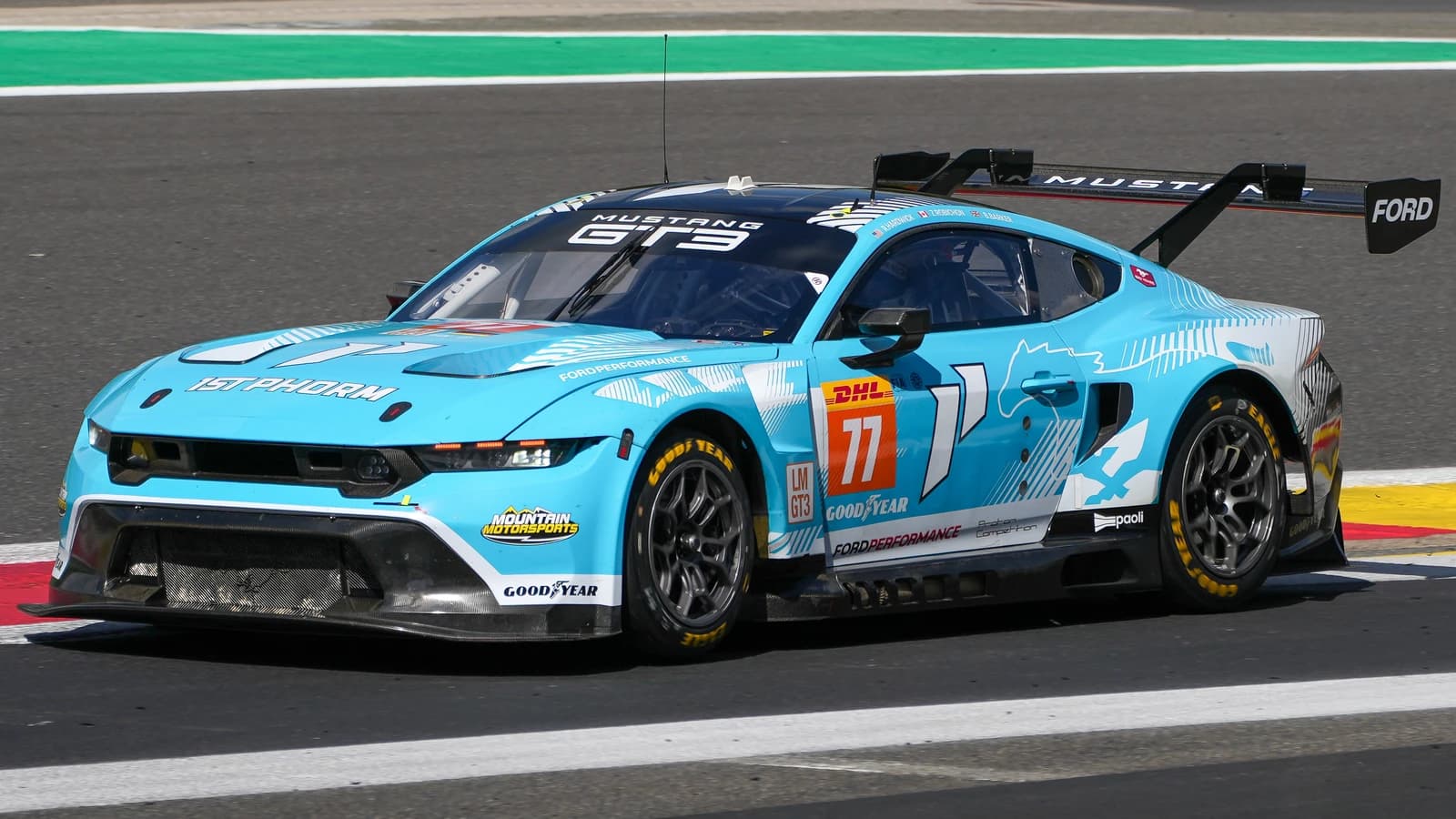
Ford’s chief executive is warning that weaker auto brands may not survive the industry’s shift to electric vehicles, a view that underscores how costly the transition is becoming for legacy carmakers and their suppliers.
The warning matters because the global auto market is entering a period of forced rationalization: higher battery and software spending, tighter margins and intensifying competition are making it harder for mid-tier brands to justify their place in already crowded lineups. For investors, that raises the stakes for scale, pricing power and balance-sheet strength, while putting smaller marques and more exposed suppliers at risk.
Ford shares were little changed at $13.65 on Thursday, leaving the stock just below its 50-day moving average of $14.01 and above its 200-day average of $13.25. The technical setup suggests the market is still waiting for a clearer catalyst after a choppy run that has taken the stock from $17.25 in late May to recent trade around the low $13s.
The broader sector backdrop is mixed. General Motors closed at $84.43, above both its 50-day and 200-day moving averages, while Stellantis fell to $5.24, well below its 200-day average of $7.75, reflecting a far weaker investor view of the group’s prospects. That split points to a market increasingly rewarding companies seen as having the scale and cash flow to absorb electrification costs.
The pressure is not just financial. Carmakers are also contending with uneven demand, tariff risk, and a global industry that is still trying to balance internal-combustion profits against EV investment. Ford’s own filings have flagged tariffs, market acceptance of new products and intense competition as ongoing risks.
For investors, the message is that the next phase of auto consolidation may come less through headline mergers than through brand closures, model cuts and sharper capital allocation. The companies that can fund EV development without destroying returns are likely to gain share; the rest may be forced to retreat or disappear.
| Entity | Gains | Losses |
|---|---|---|
| Ford | ▲Higher focus on core brands | ▼Costly weak-brand support |
| GM | ▲Scale advantage | ▼Industry margin pressure |
| Stellantis | ▲Restructuring optionality | ▼Greater brand survival risk |
| Suppliers | ▲Consolidation from winners | ▼Volume losses from brand cuts |