Ford F-150 2027 refresh adds towing tech
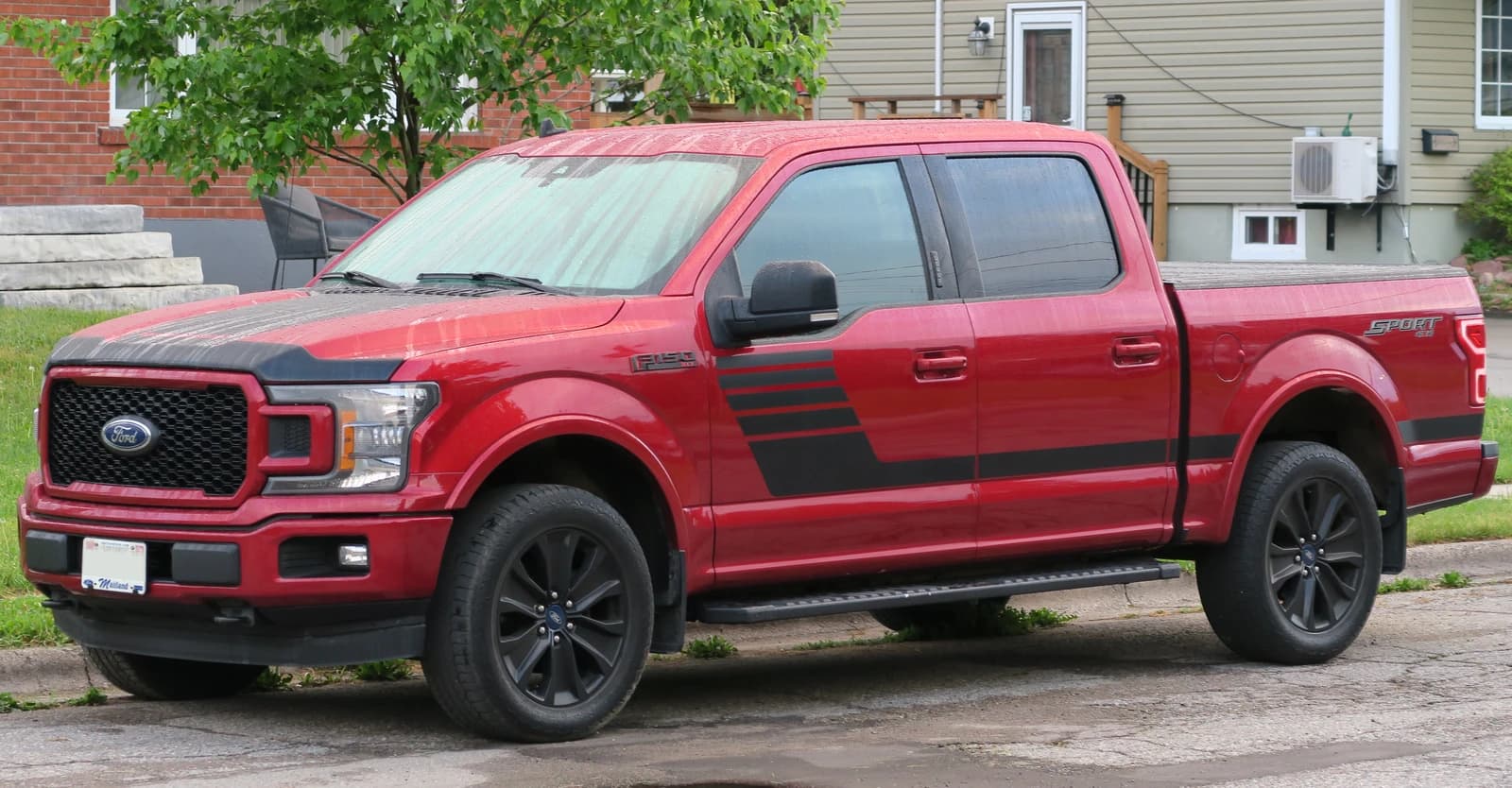
Ford is giving its best-selling F-Series pickup a meaningful refresh for 2027, and the real business story is simple: the company is trying to protect the truck franchise that still does the heavy lifting for Ford’s profits while keeping buyers from drifting to rivals in a fiercely competitive pickup market.
The headline change is a new 3.0-liter base V6 replacing the outgoing 2.7-liter EcoBoost. Ford says output is about the same on paper, but torque now arrives earlier, which should make the truck feel stronger in the kinds of low-to-midrange driving most owners actually do. That matters because pickups are not bought on brochure specs alone; buyers want towing confidence, everyday drivability and the sense that the truck can handle work without feeling strained.
Ford is also widening the appeal of BlueCruise with trailer-towing capability, a feature that fits directly with how customers use the F-150. Ford says roughly 75% of F-150 drivers tow regularly, and the hands-free system will now work in towing situations across 130,000 miles of mapped roads. For long-term investors, that is the kind of software-plus-hardware upgrade that can help Ford defend pricing and loyalty, even if it does not change the underlying truck cycle overnight.
The company is not just adding content. It is also trimming some equipment from base Raptor and Tremor versions to pull down prices by roughly $1,000 to $2,000 per vehicle. In other words, Ford is trading some luxury on the sticker for broader reach, which makes sense when truck shoppers are still price-sensitive despite the premium nature of these trims. The base 2027 Raptor loses items such as a head-up display, fog lamps, a 2kW power outlet and power-adjustable front passenger and steering columns, while the Tremor steps down from a more richly equipped setup.
That balance between upgrade and affordability is the core investing takeaway. Ford’s truck business has long been its moat, and every refresh is really about defending that moat against General Motors, Stellantis and a growing list of high-end alternatives. The F-150 still anchors the brand’s North American mix, and smarter towing tech, stronger low-end torque and new appearance packages should help keep the lineup fresh without forcing a wholesale redesign.
There are risks, of course. Higher transaction prices on some versions could limit demand, and Ford still has to prove that software features can add profit without becoming a costly giveaway. But for investors with a multiyear horizon, the bigger point is that Ford is treating the F-Series like a platform, not just a vehicle. That is exactly how durable auto franchises stay relevant.
Ford’s F-150 update is worth watching, especially for investors who want exposure to a cash-generating truck business with room to evolve beyond steel and horsepower.
| Entity | Gains | Losses |
|---|---|---|
| Ford | ▲Stronger F-Series appeal | ▼Higher execution risk |
| F-150 buyers | ▲Better towing tech | ▼Some trims lose equipment |
| General Motors | ▲— | ▼Tougher pickup competition |
| Stellantis/Ram | ▲— | ▼Pressure on truck share |