Ford Motor is ending production of the current F-150 Lightning this year, but the bigger story for investors is that the company is not walking away from electric trucks — it is redesigning them around what customers actually want: longer range, faster towing confidence and lower sticker prices.
Ford F-150 Lightning to use EREV architecture
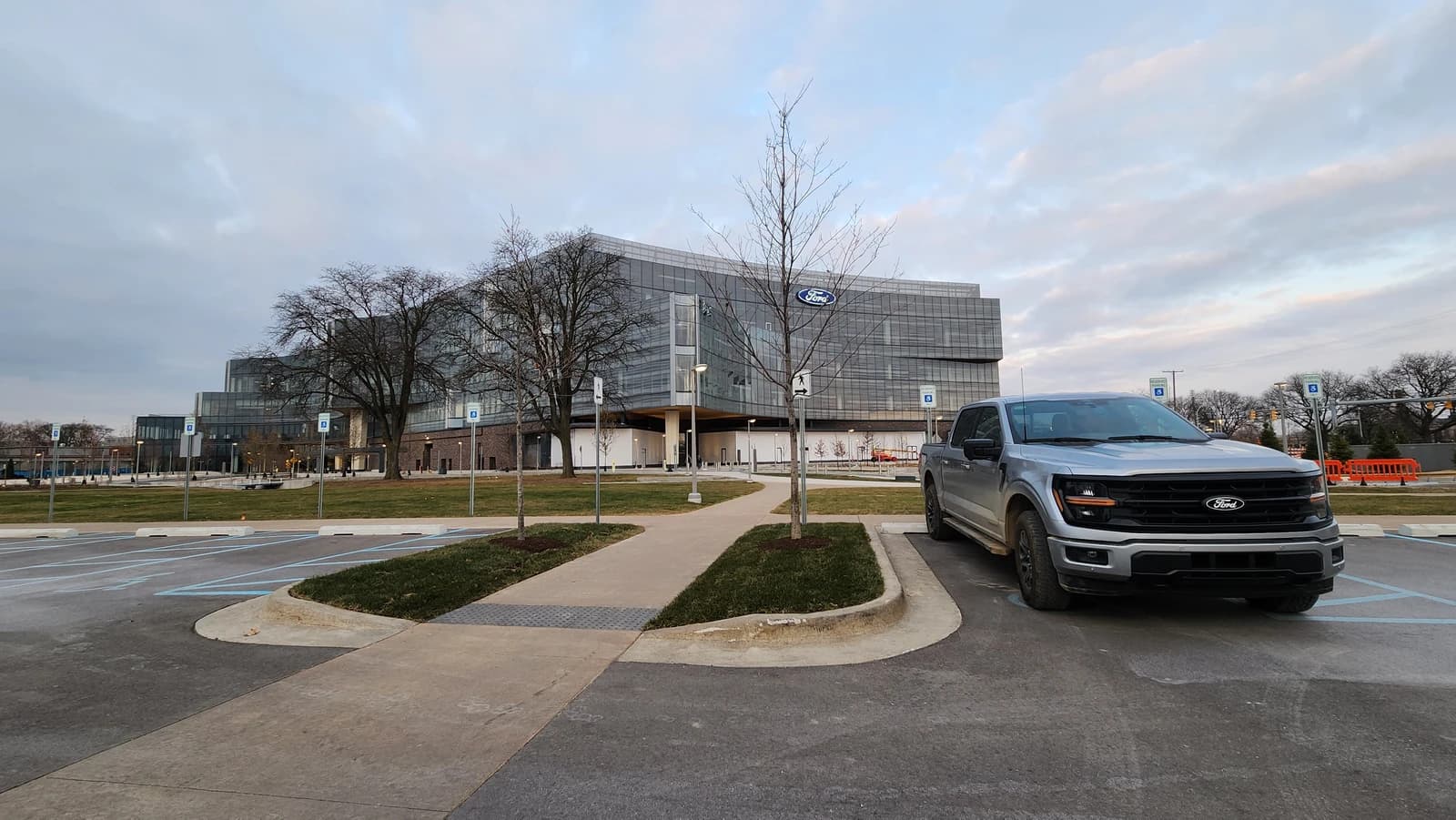
That shift matters because Ford’s EV strategy has been punished by the market for chasing scale before profitability. By moving the next-generation F-150 Lightning to an extended-range electric vehicle, or EREV, architecture, Ford is trying to preserve the instant torque and quiet drive of a battery-electric pickup while reducing range anxiety with a built-in generator. The company says the truck should travel more than 1,100 kilometers, sprint from 0 to 97 km/h in under five seconds and still power job sites, campsites and even homes during outages.
Sentiment IndicatorsⓘProprietary · adalytica.com · September 7, 2026
This is a snapshot — live sentiment, awareness and momentum for 130+ markets update continuously in the dashboard.Open AlphaPulse
For long-term investors, this is less a retreat than a reset. Ford is telling Wall Street that the winning formula in trucks and vans may not be pure battery-electric models, but flexible, multi-energy vehicles that can handle towing, work use and real-world charging limitations. That could improve demand durability and help margins in a segment where buyers care more about capability than ideology.
The next F-150 Lightning will be built at the Rouge Electric Vehicle Center in Dearborn, Michigan, keeping the nameplate in Ford’s American manufacturing base. Ford is also broadening its strategy beyond this one truck. It plans to lean harder into hybrids, EREV models and lower-cost EVs, while trimming back bigger electric vehicles that it says faced softer demand, higher costs and regulatory shifts.
That pivot is important economically because Ford is reallocating capital toward products with a better chance of earning a return. The company says that by 2030, about half of global volume will come from hybrids, EREV vehicles and fully electric models, up from 17% now. It is also preparing a new low-cost Universal EV Platform for smaller vehicles, with the first model slated for 2027 in Louisville, Kentucky.
There is a broader industrial angle here too. Ford is doubling down on U.S. production, converting plants in Tennessee and Ohio to build more pickups and commercial vans, and it says it will make thousands of new hires in the United States. For the domestic auto sector, that is a reminder that the EV transition is not a straight line toward battery-only fleets. It is becoming a contest over which automakers can mix electrification with affordability and profit.
Ford’s battery strategy is also getting a fresh start. The company is launching a new battery energy storage business aimed at data centers and grid infrastructure, with roughly $2 billion of investment planned over the next two years. That adds another growth avenue beyond vehicles and could help Ford extract more value from its battery supply chain.
Investors should see the announcement as a sign that Ford is willing to abandon clean narratives in favor of practical ones. That usually helps a business over time. The risk, of course, is execution: Ford must prove it can bring these next-generation trucks, vans and storage systems to market on schedule and at the right cost. But if it does, the company may be building a more resilient portfolio for the next decade than the one it is leaving behind.
For patient investors, Ford’s message is straightforward: the EV race is evolving, and the winners may be the companies that adapt fastest. This stock is worth watching closely, especially if you believe the future of transportation will be multi-energy, not all-or-nothing.
| Entity | Gains | Losses |
|---|---|---|
| Ford | ▲Better margins; broader truck strategy | ▼Pure-EV ambitions |
| Truck buyers | ▲Longer range; easier towing | ▼Lower-priced BEV-only options |
| U.S. plants and workers | ▲More production and hiring | ▼Idle EV capacity |
| Tesla and EV rivals | ▲More defined competition | ▼Truck share if Ford executes |