Ford F-150 recall raises warranty and valuation risk
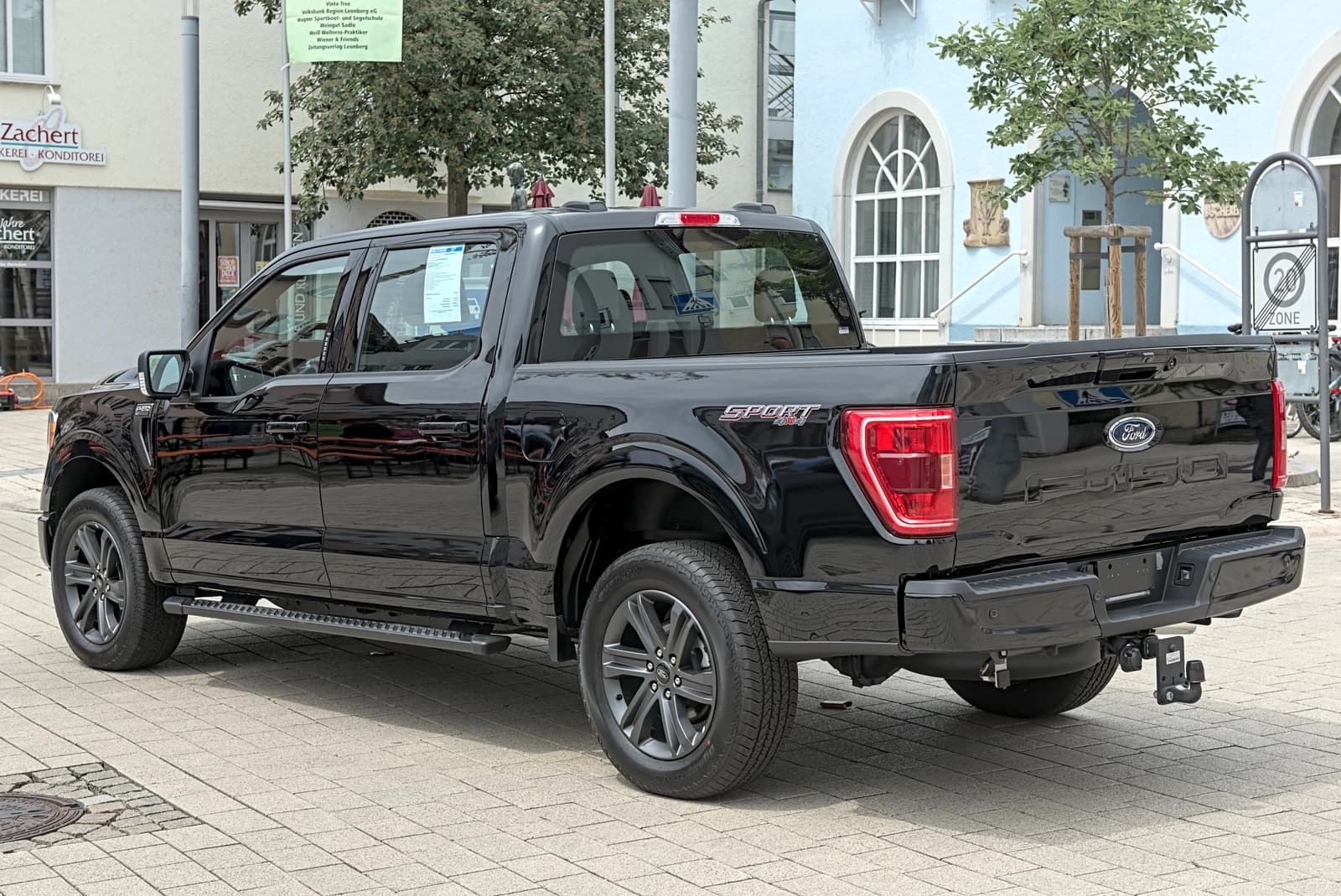
Ford is recalling about 223,500 F-150 pickups in the U.S. over fuel tank defects that can leak and create a fire risk, another reminder that quality-control failures are becoming an earnings and valuation issue for Detroit’s biggest truck maker.
The recall lands in a market that is already jittery, with the S&P 500 under what Adalytica.com labels “Extreme Fear” and Ford’s shares trading well below this year’s highs. For investors, the problem is not just the cost of fixing the vehicles. Repeated safety actions can force higher warranty expense, distract management, and raise the discount rate the market applies to automakers that are already fighting thin margins, heavy capital spending and a slowing consumer backdrop.
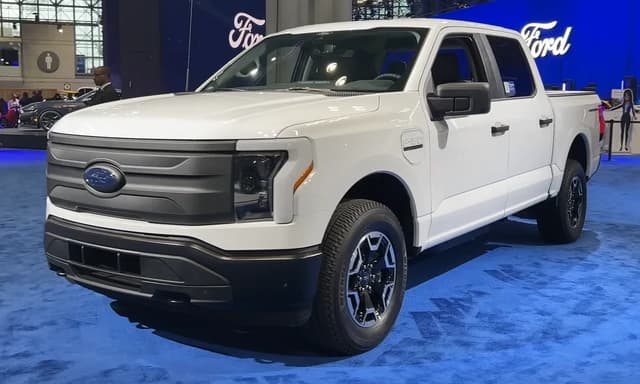
Ford has been leaning on the F-150 franchise as the core profit engine of its U.S. business, so any defect tied to the truck line matters far more than a routine recall on a lower-volume model. The company has already been managing a string of safety actions across other nameplates, including Mustangs, Broncos and Explorers, while regulators have also been probing certain Ford models for other defects. That pattern matters because it suggests this is not an isolated repair bill but part of a broader quality problem that can chip away at brand trust.
The stock has reflected that pressure. Ford’s shares have drifted around the low-teens in recent months, below the levels seen earlier in the summer, even as the company’s trucks and commercial vehicles remain a critical cash source. By contrast, General Motors has held up better, underscoring how quickly investors will reward cleaner execution in a capital-intensive industry.
The real takeaway is that recalls are no longer just a compliance issue for Ford — they are a capital allocation issue. Every dollar spent on remediation is a dollar not going into EV software, hybrid capacity, manufacturing efficiency or shareholder returns. If the company can contain the defect and prevent a wider quality spiral, the market may look through it. If not, the penalty is likely to show up in lower margins, slower multiple expansion and a continued valuation gap versus better-executing peers.
For investors, that keeps the focus on who benefits from Ford’s stumble and who does not. Suppliers and competitors with cleaner product execution can gain share, while Ford bears the cost of another costly fix. In a market searching for durable cash generators, the next catalyst will be whether Ford can prove this is a one-off — or whether recall fatigue becomes a bigger drag on the equity story.
| Entity | Gains | Losses |
|---|---|---|
| Ford | ▲May contain fix quickly | ▼Warranty and brand damage |
| GM | ▲Relative execution premium | ▼None directly |
| Suppliers | ▲Repair and parts demand | ▼Quality scrutiny |
| Ford shareholders | ▲Possible dip-buy setup | ▼Recall costs and multiple pressure |