Ford Mach-E Premium review and pricing

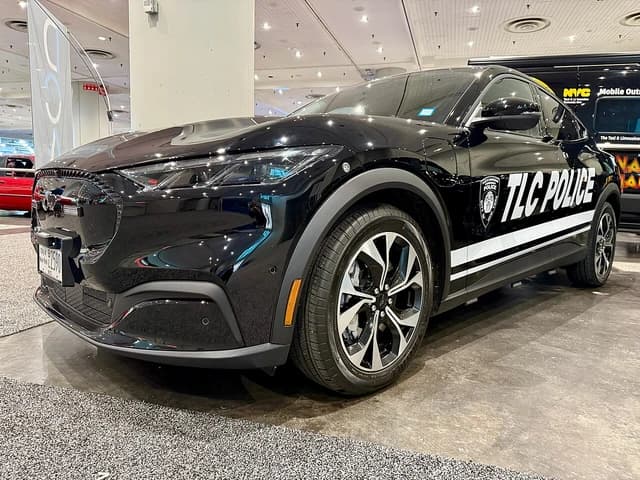
Ford’s 2026 Mustang Mach-E Premium is a reminder that the EV market is no longer being won on range alone — it is being won on product mix, pricing power and whether buyers believe the badge still earns the premium. At $59,635 with options and shipping, this version of Ford’s electric crossover lands in the hardest part of the market: quick enough to tempt performance shoppers, usable enough for mainstream buyers, and expensive enough to test how much “Mustang” equity Ford can still monetize in an EV.
That matters because the Mach-E sits at the intersection of Ford’s broader electrification strategy and the market’s growing demand for selective spending. The Premium trim’s 370 horsepower, 4.2-second sprint to 60 mph and estimated 300-mile range give it the specs to compete, but not cheaply. Ford is effectively asking buyers to pay up for extended-range battery power, electric all-wheel drive and BlueCruise-equipped convenience, while much of the content still sits behind option packages. In a market where EVs are increasingly judged on total value rather than novelty, that pricing structure will determine how much margin Ford can defend.
For investors, the story is bigger than one review. Ford shares have been volatile, but the stock has held around the mid-teens recently, reflecting a market that remains cautious on EV profitability while still willing to reward signs of disciplined execution. The company’s own disclosures continue to flag competition, tariffs and cost pressure as risks, which is exactly why vehicles like the Mach-E Premium matter: they are the front line for proving that Ford can sell electric vehicles without racing to the bottom on price.
The product itself shows why the Mach-E remains strategically important. It is quick, comfortable and visually distinctive, with the updated styling, BlueCruise driver-assistance tech and a cabin that is easy enough to live with. That combination gives Ford a credible alternative to Tesla’s more austere formula, and it helps explain why Tesla remains the market’s emotional lightning rod even as legacy automakers fight for EV share. Tesla shares have been much more active, with proprietary Adalytica sentiment readings showing “Greed” and “Extreme Greed” around the name, underscoring how much attention still flows to EV leadership. Ford does not have that same investor fan base, which is why its opportunity may be more underappreciated.
The risk is that the Mustang name creates as much debate as demand. Ford is still asking buyers to accept a crossover wearing one of the most iconic badges in American performance history, and the review captures the tension well. If consumers embrace the Mach-E as a practical, stylish EV with performance credibility, Ford gains a durable volume and margin bridge into the next phase of electrification. If they keep seeing it as a compromised Mustang with a premium price tag, the company will have to lean harder on incentives and packaging to move metal.
That makes the next catalyst straightforward: evidence of whether Ford can sustain demand for higher-trim EVs without sacrificing profitability. If the Mach-E Premium can hold its value proposition, it supports the case that Ford’s EV business is maturing into a more rational, margin-conscious model. If not, the market will continue to treat Ford’s electric push as a work in progress rather than a true profit engine. For investors, the takeaway is to watch Ford’s EV mix closely — the winners will be the brands that can sell speed, software and range together at a price customers accept, not just a price automakers wish they could command.
| Entity | Gains | Losses |
|---|---|---|
| Ford | ▲Higher-trim EV margin potential | ▼Mustang-brand purists |
| Mach-E buyers | ▲Quick, usable EV performance | ▼Buyers seeking standard equipment |
| Tesla | ▲Attention for EV segment leadership | ▼None from this specific trim |
| Ford investors | ▲Proof of pricing power | ▼If discounts are needed to move units |