Ford shares at $14.13 amid recall concerns
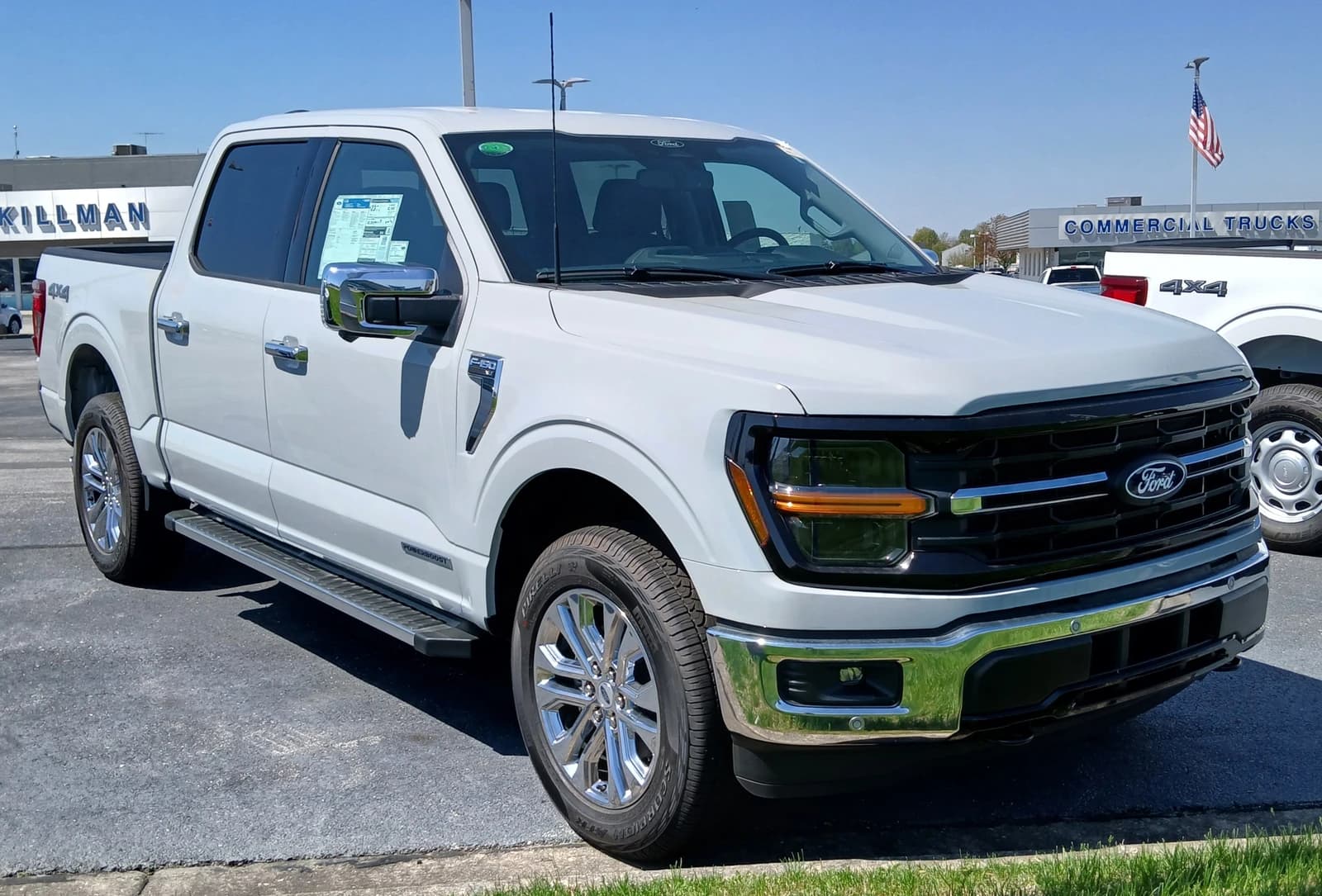
Ford’s truck business remains the company’s most important profit engine, but a string of recalls and safety investigations is raising questions about whether the automaker can protect the brand equity that underpins sales of its best-known models, including the F-150.
That matters because Ford’s pricing power and dealer traffic depend heavily on the trust buyers place in its trucks. When quality concerns spread beyond one nameplate, the economic impact can be broader than the direct repair bill: higher warranty costs, slower inventory turn, weaker resale values and more cautious customers in a market where pickups carry some of the industry’s richest margins.
The latest concerns include a recall of more than 86,000 Mustang Mach-E vehicles built between 2023 and 2025 over parts that could detach, along with the National Highway Traffic Safety Administration’s upgrade of its probe into Ford’s 1.0-litre EcoBoost timing belts. While those issues do not directly involve the F-150, they add to a pattern that dealers and investors cannot ignore. For a company that leans on trucks to offset thinner earnings elsewhere, the reputational spillover is the bigger risk.
The stock has reflected a turbulent backdrop. Ford shares recently traded at $14.13, close to the 50-day moving average of $14.55 and above the 200-day average of $13.20, suggesting the market still assigns some credibility to the recovery story. But the recent pullback from a July peak of $15.28, alongside cooling momentum indicators and an RSI near 49, points to fading enthusiasm after a sharp rally earlier this year. The shares remain well above the 200-day line, yet the set-up is less convincing than it was when the stock was pressing higher.
For investors, the key question is whether Ford can contain the costs before they bleed into the core franchise. The bull case is that the recalls are manageable, the F-150 remains a durable cash generator and the company can absorb warranty expenses without derailing margins. The bear case is that repeated quality headlines erode consumer confidence just as Ford needs its trucks to defend share against Toyota and other rivals, while also funding its electric transition.
The F-150 itself is still the centerpiece of Ford’s valuation story, but the latest inventory and recall backdrop shows how fragile that story can become if reliability concerns persist. Investors will be watching whether Ford can restore quality control quickly enough to keep the truck franchise insulated from the company’s broader safety problems.
| Entity | Gains | Losses |
|---|---|---|
| Ford truck buyers | ▲More choice, potential discounts | ▼Brand uncertainty |
| Ford | ▲Truck demand resilience | ▼Warranty and reputation costs |
| Rivals, including Toyota | ▲Share gains if trust slips | ▼Harder competition if Ford stabilizes |
| Long-only investors | ▲Recovery upside if quality improves | ▼Margin pressure and volatility |